
Winter Dance Party
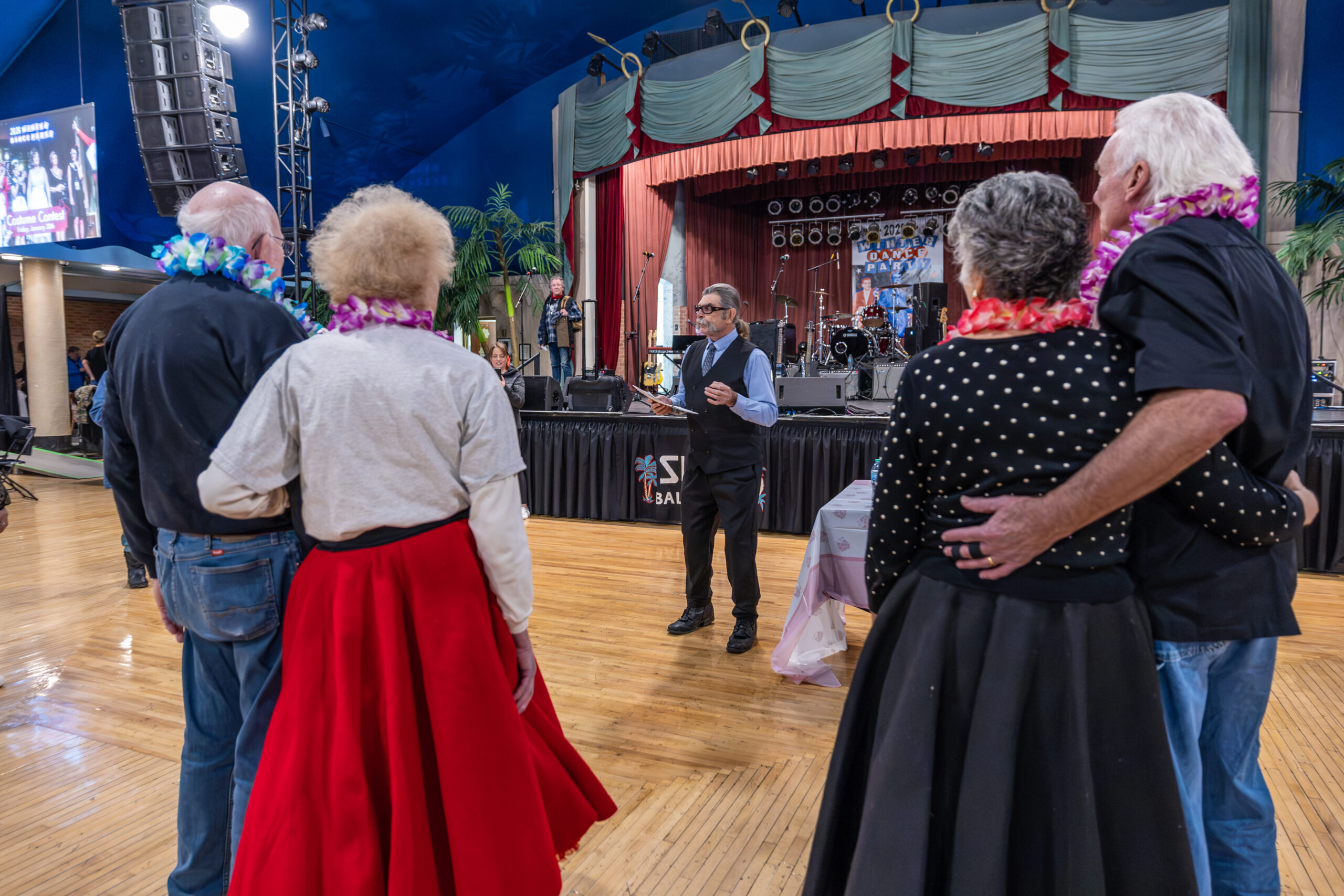
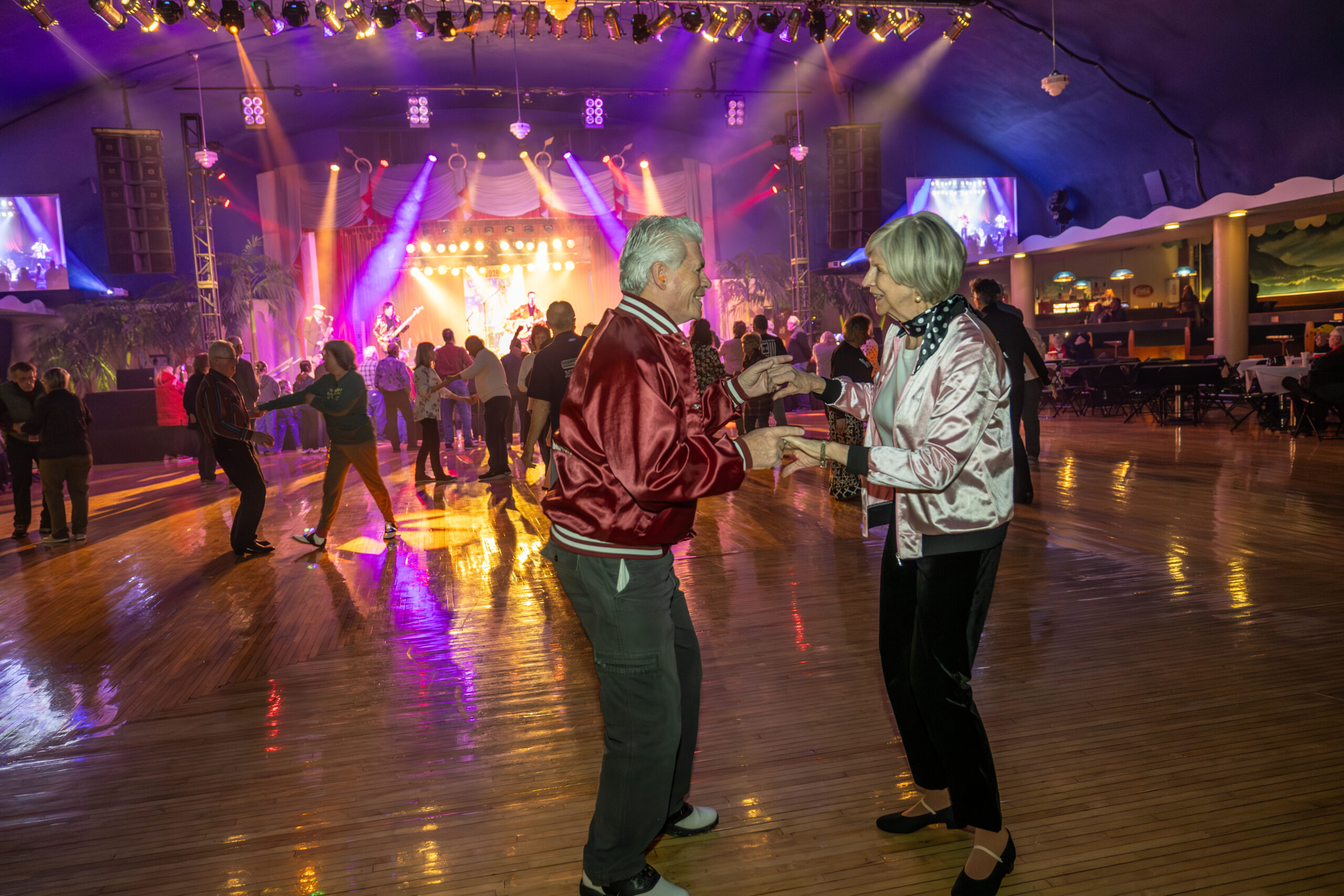
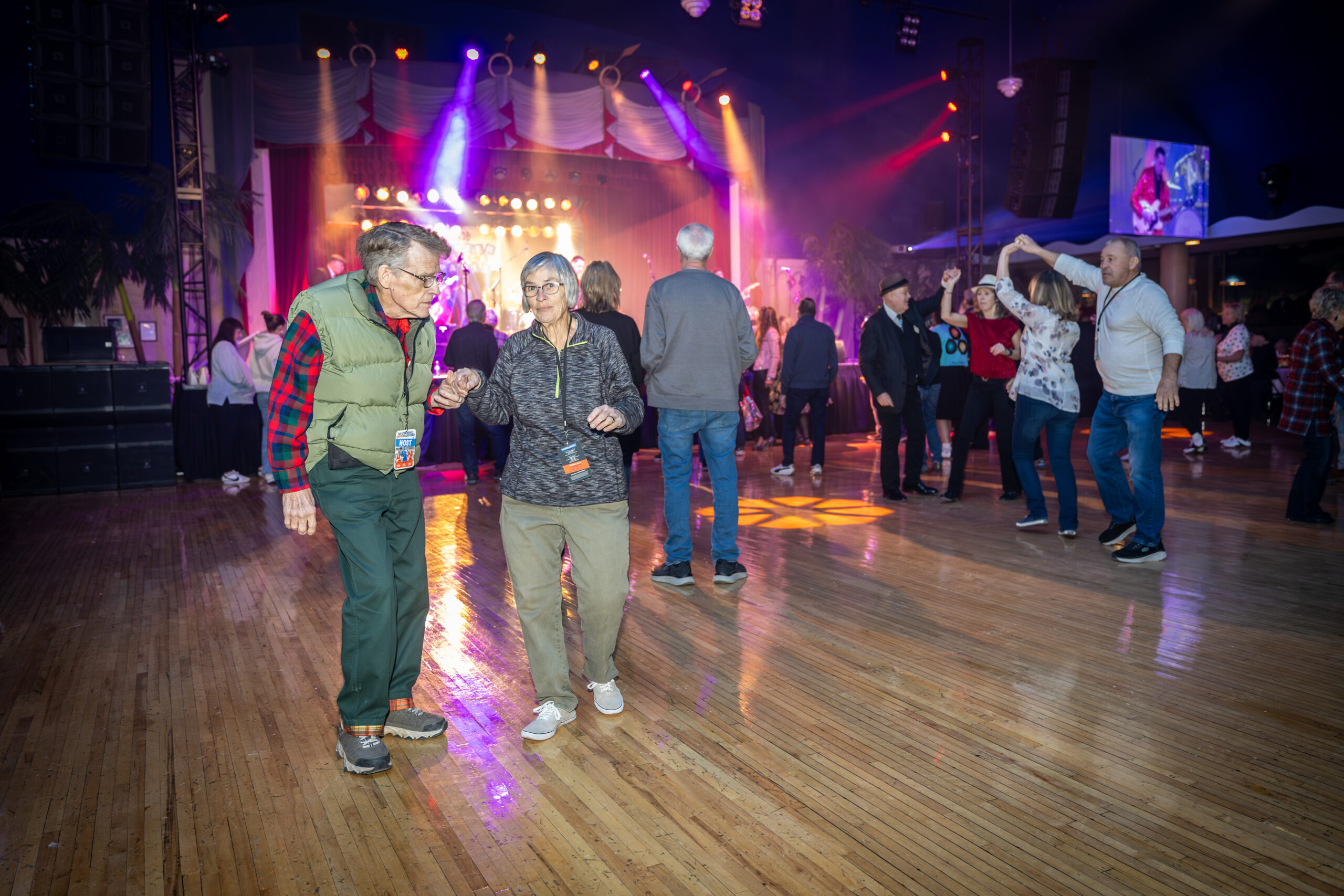
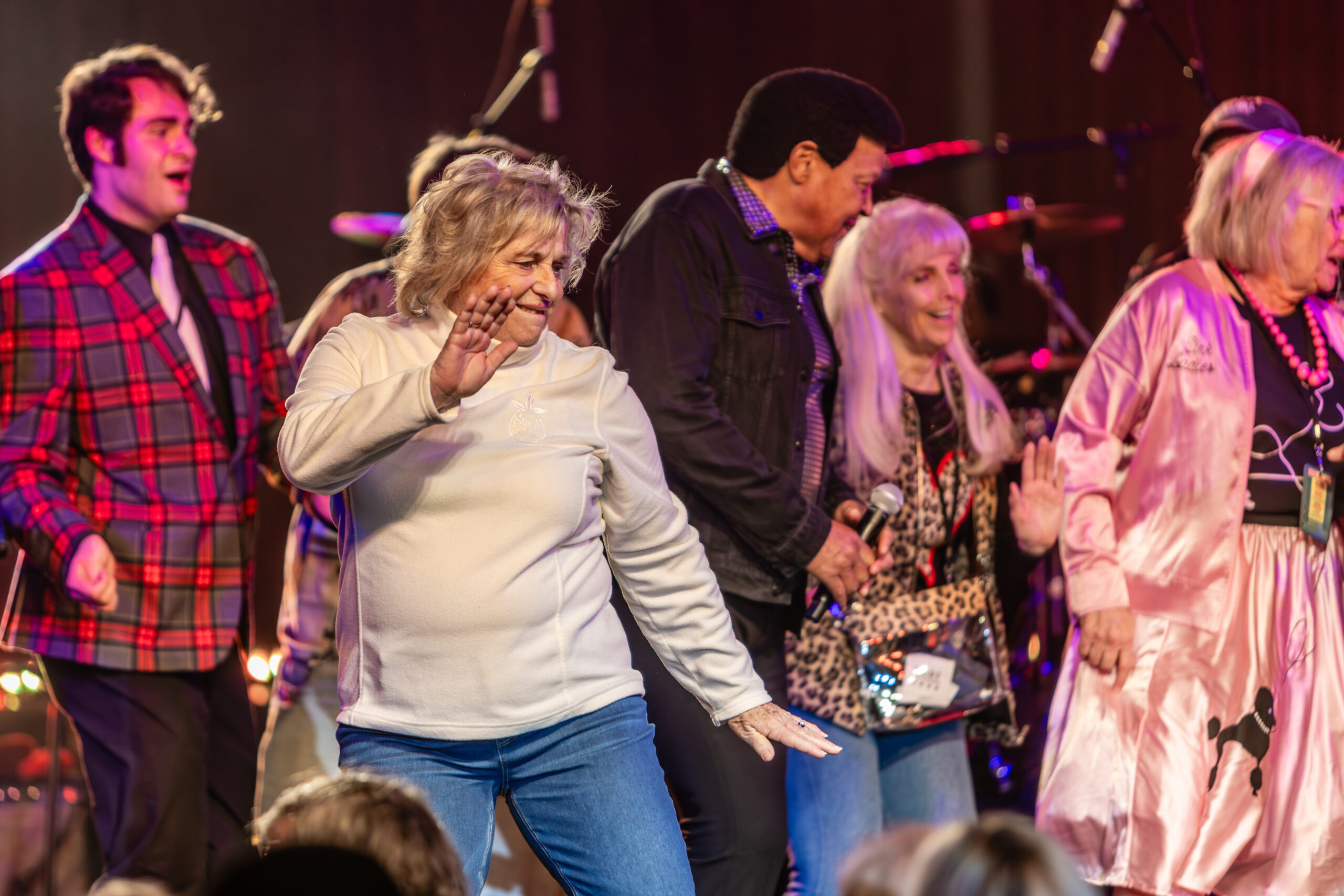
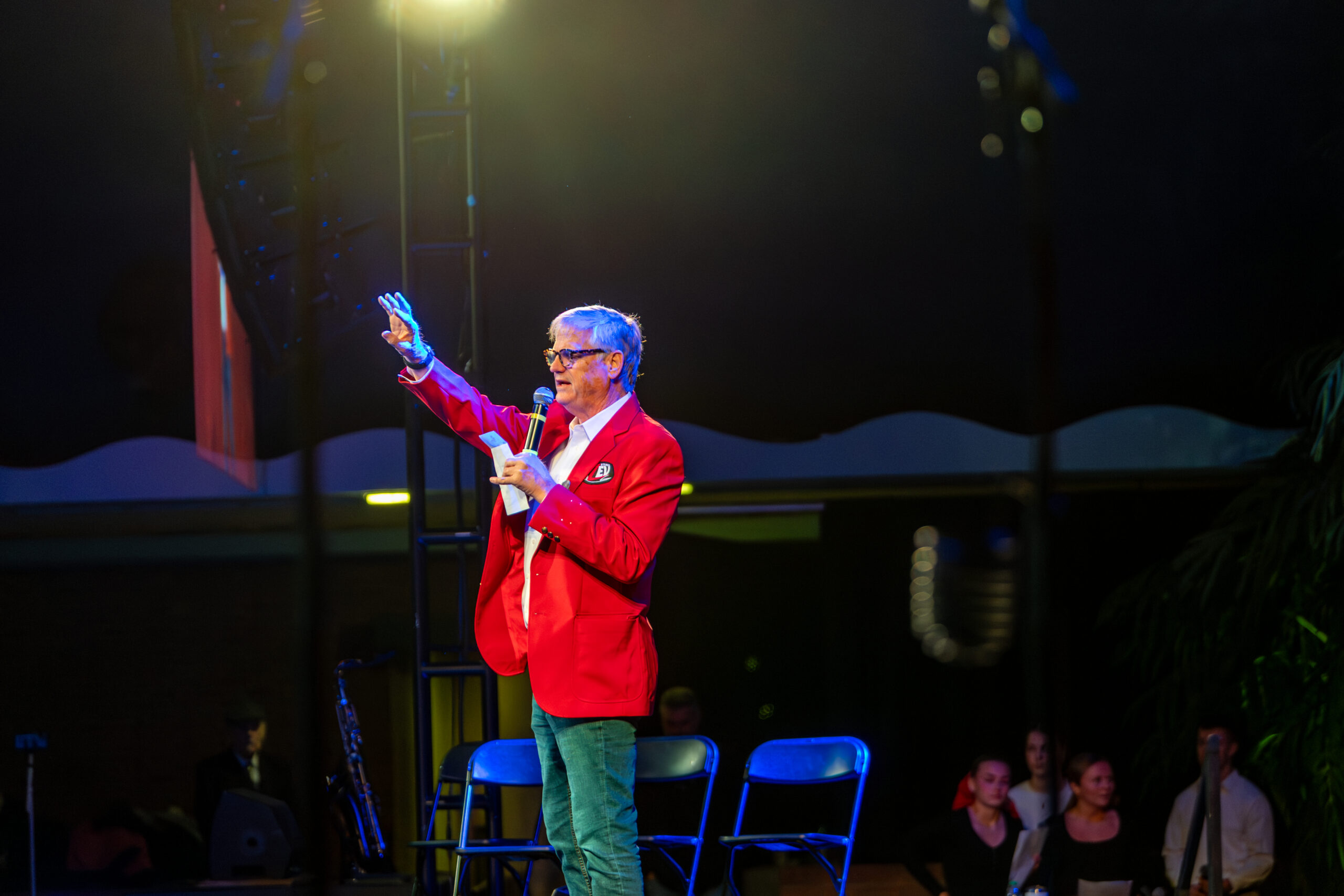
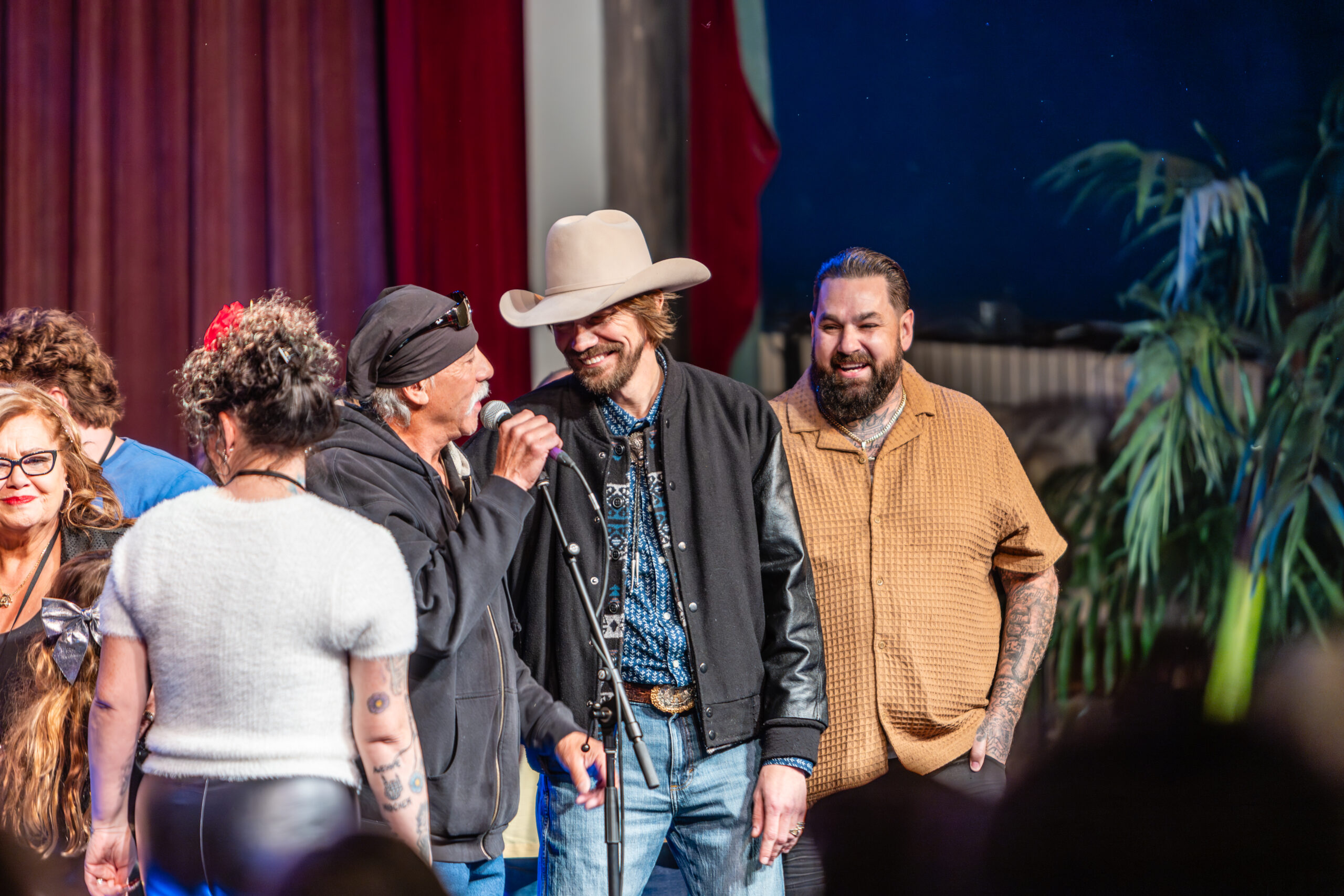
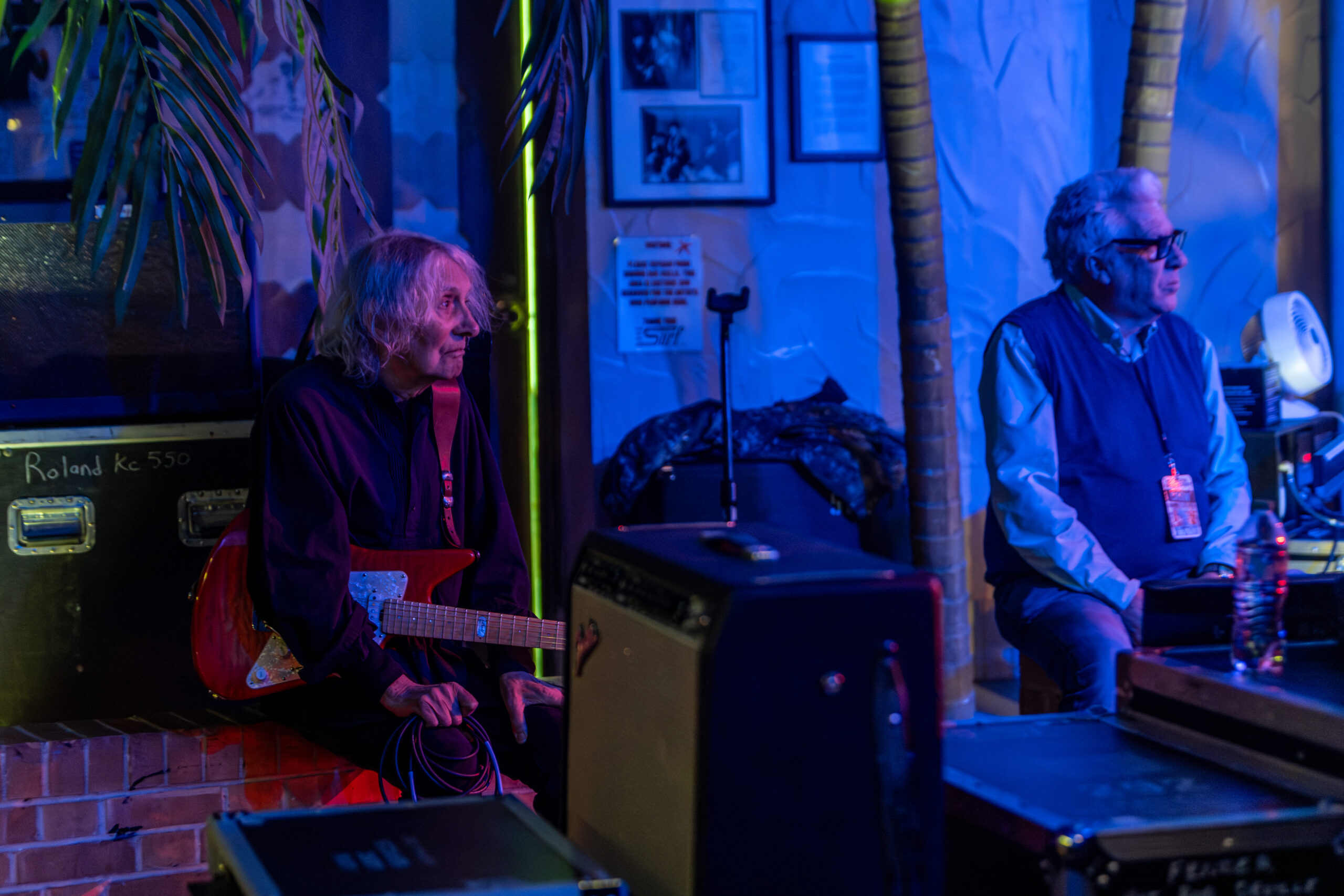
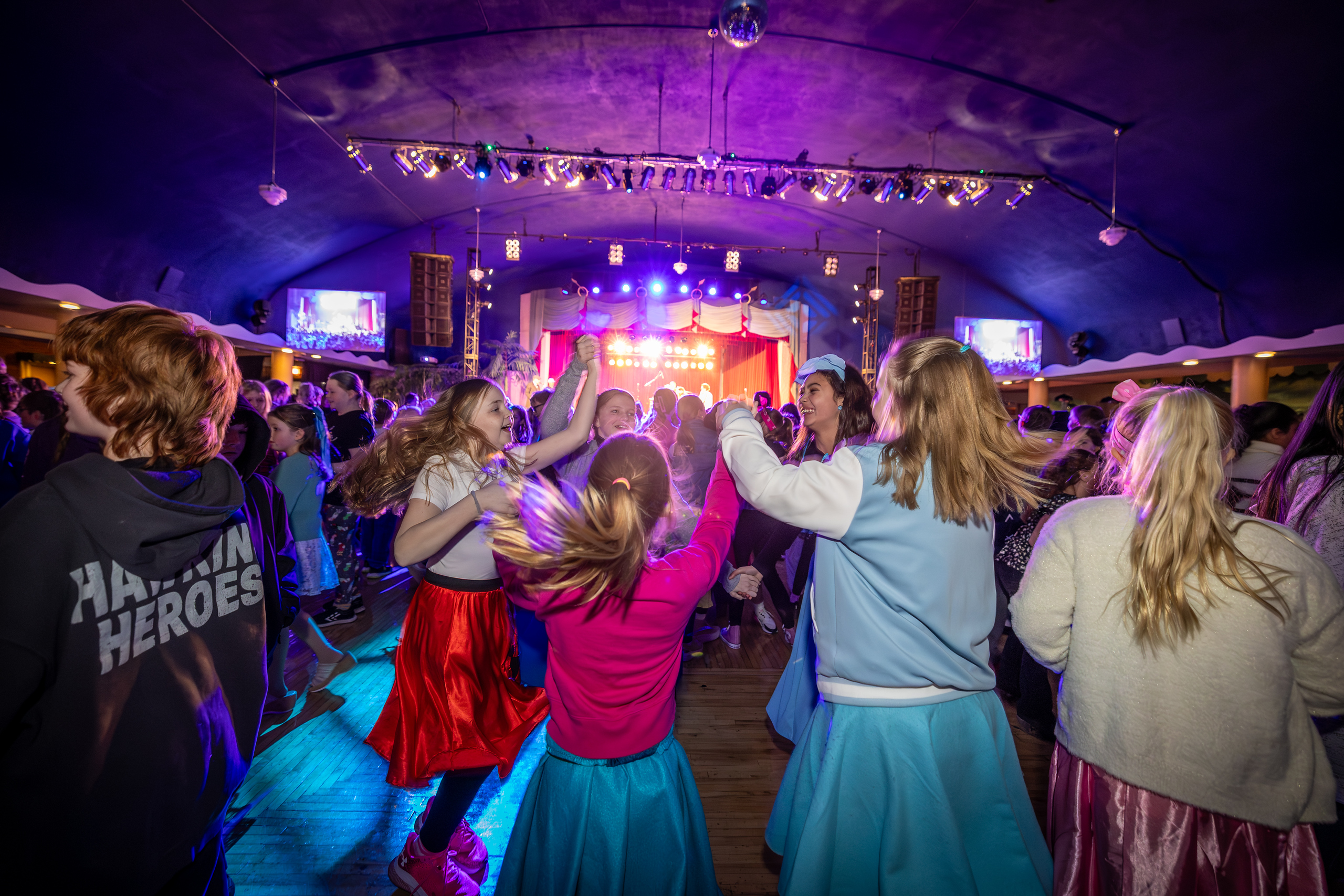
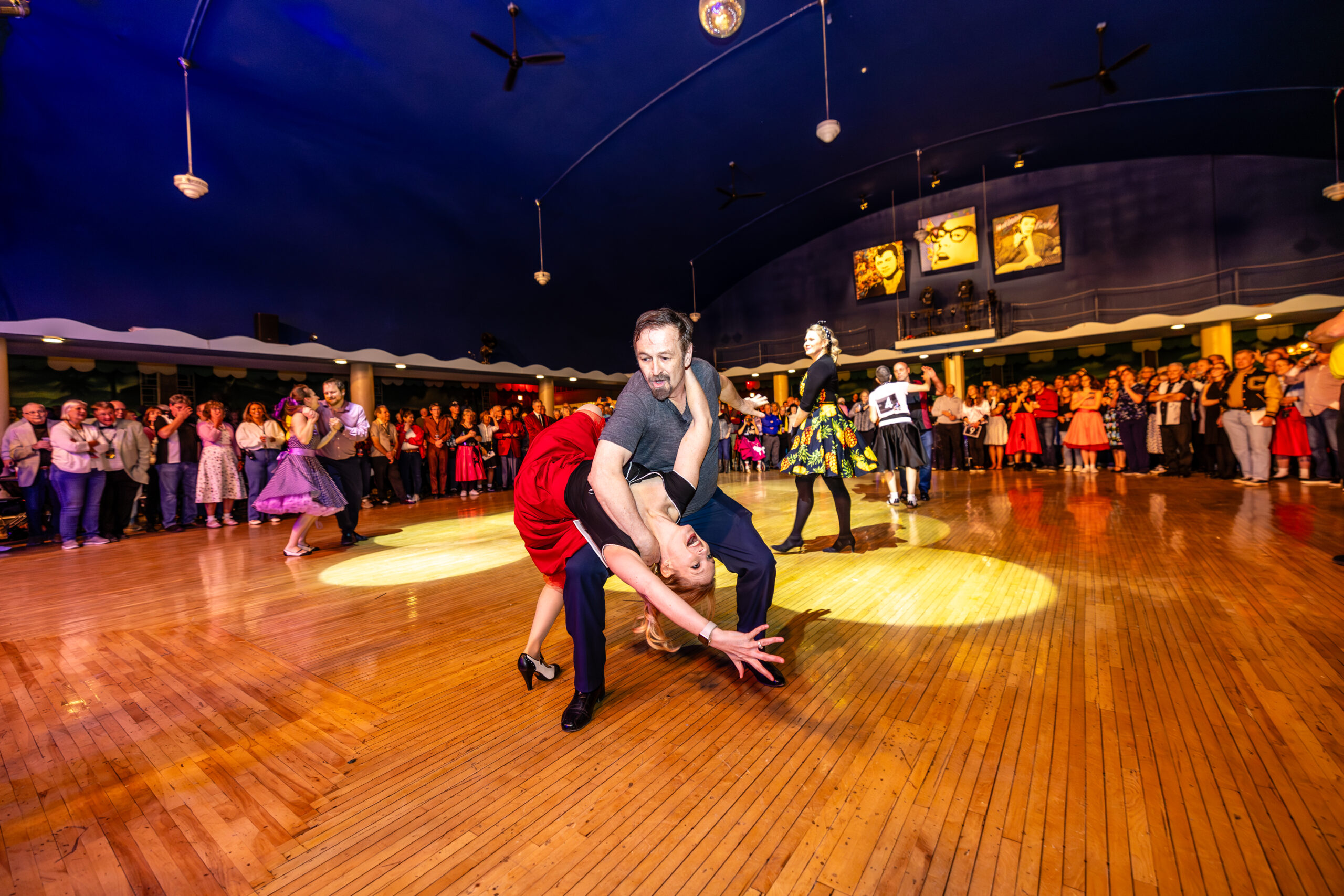
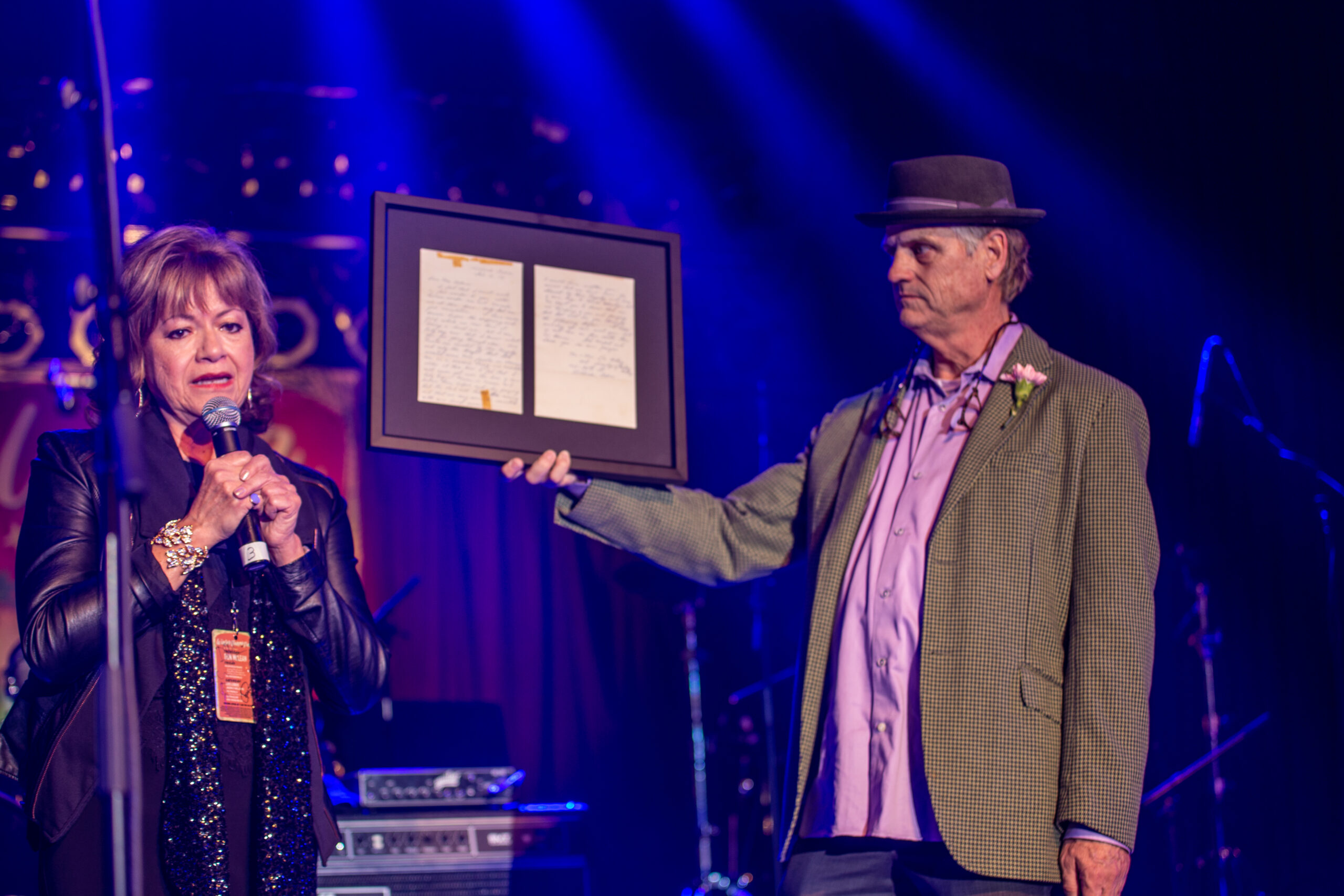
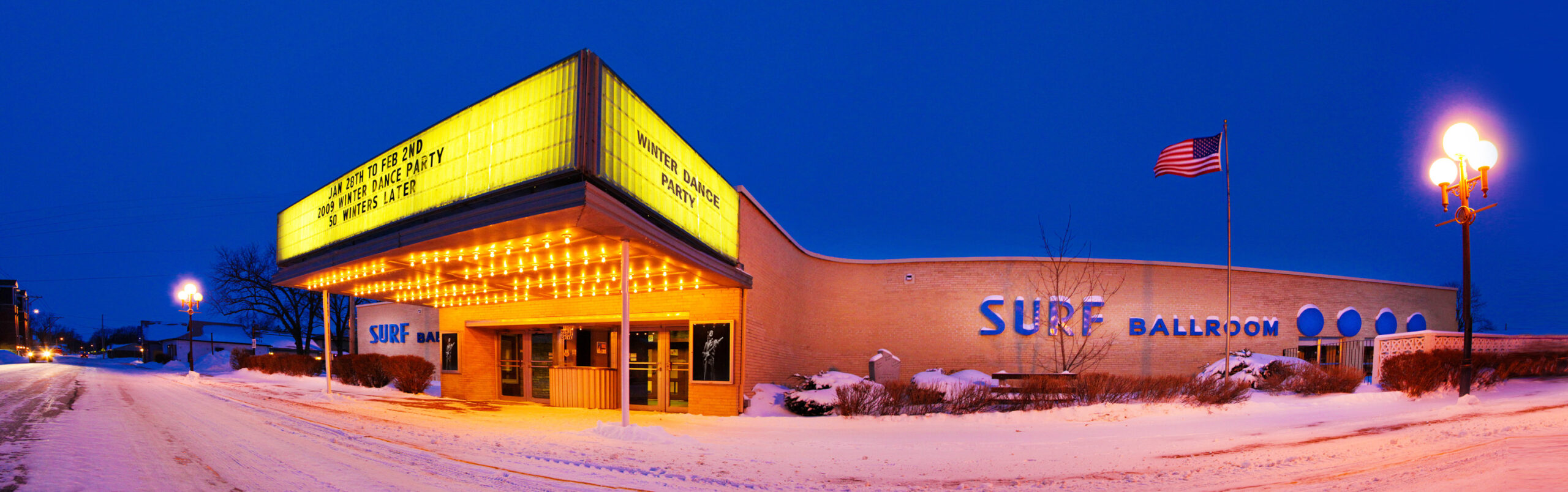
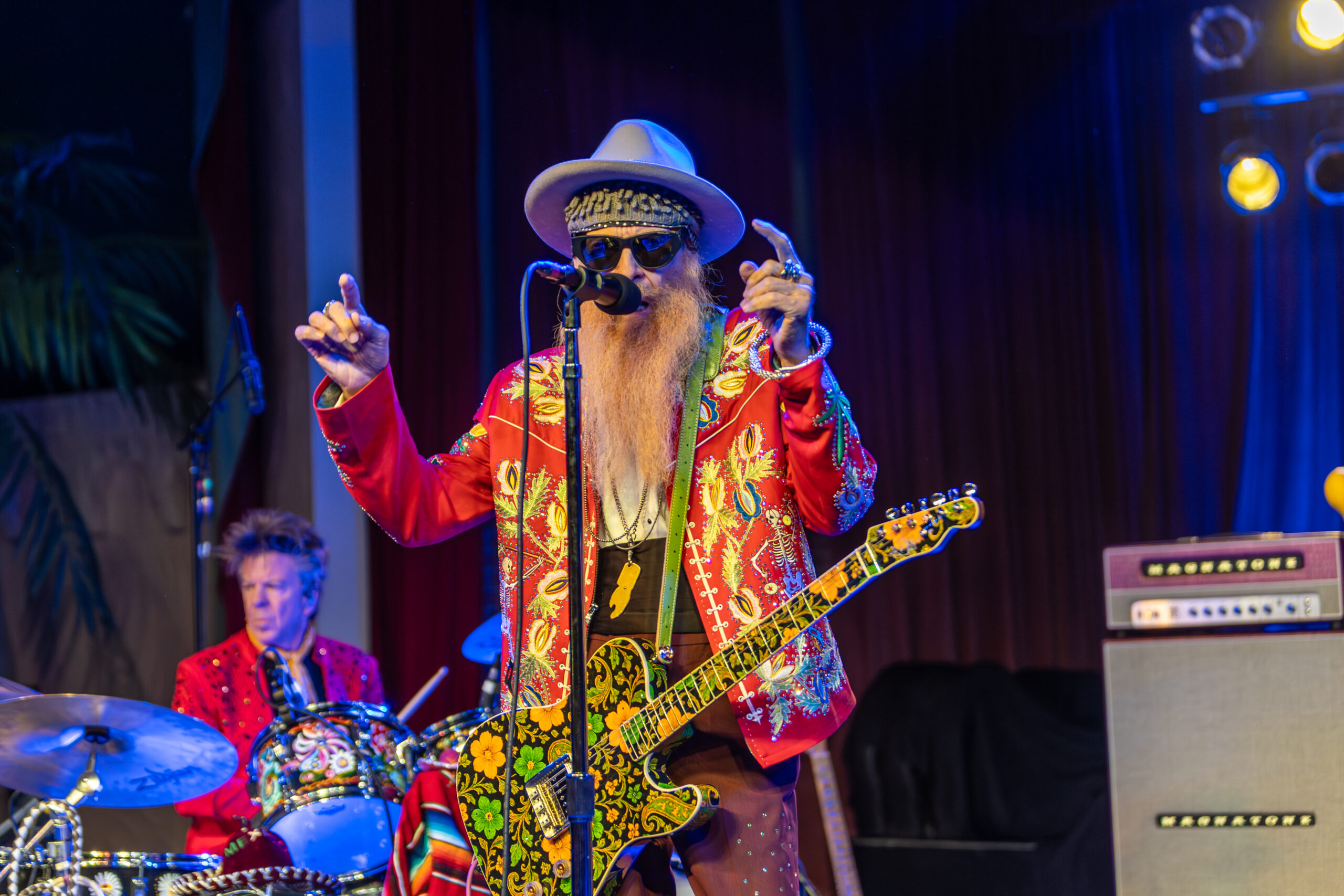
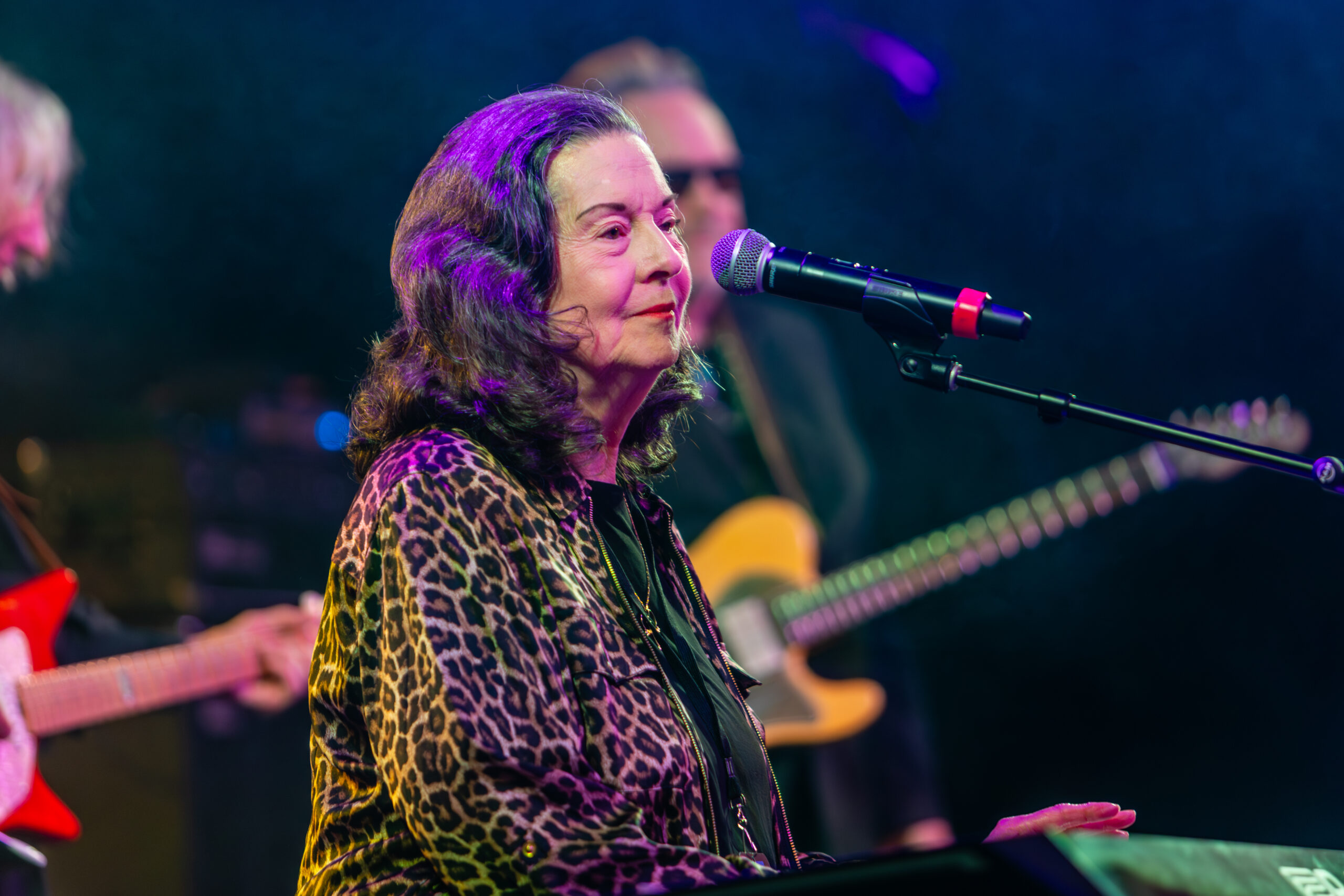
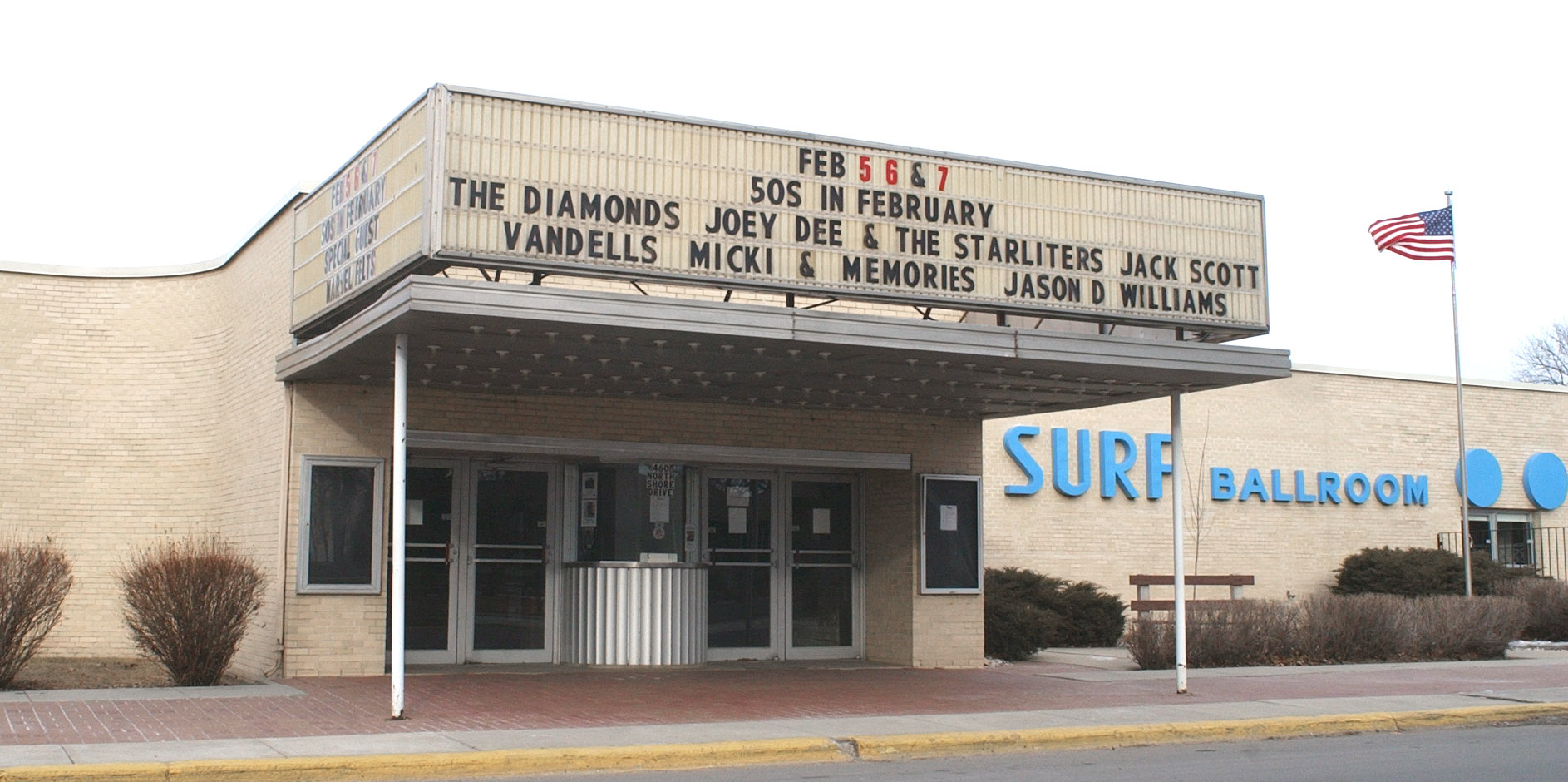
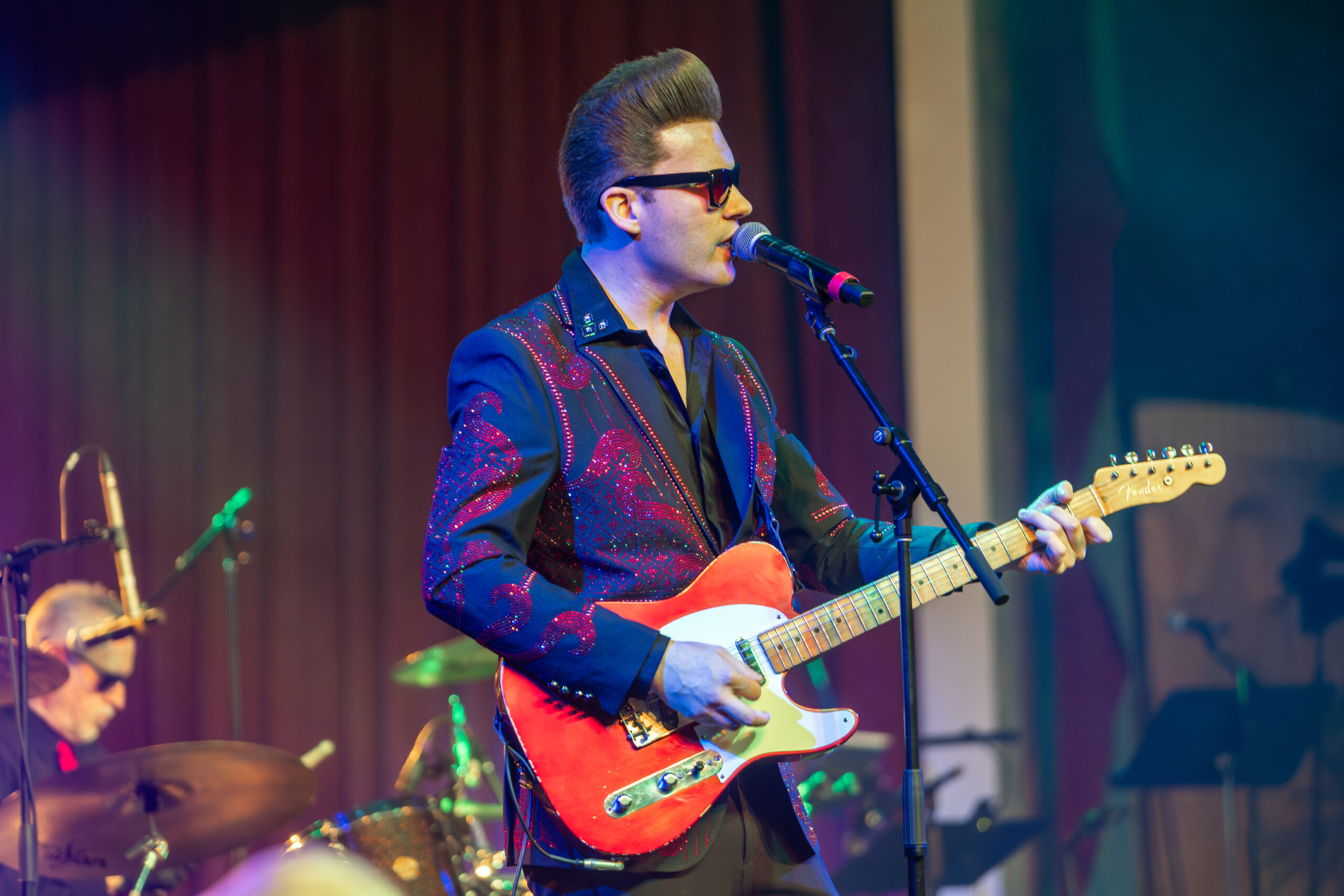
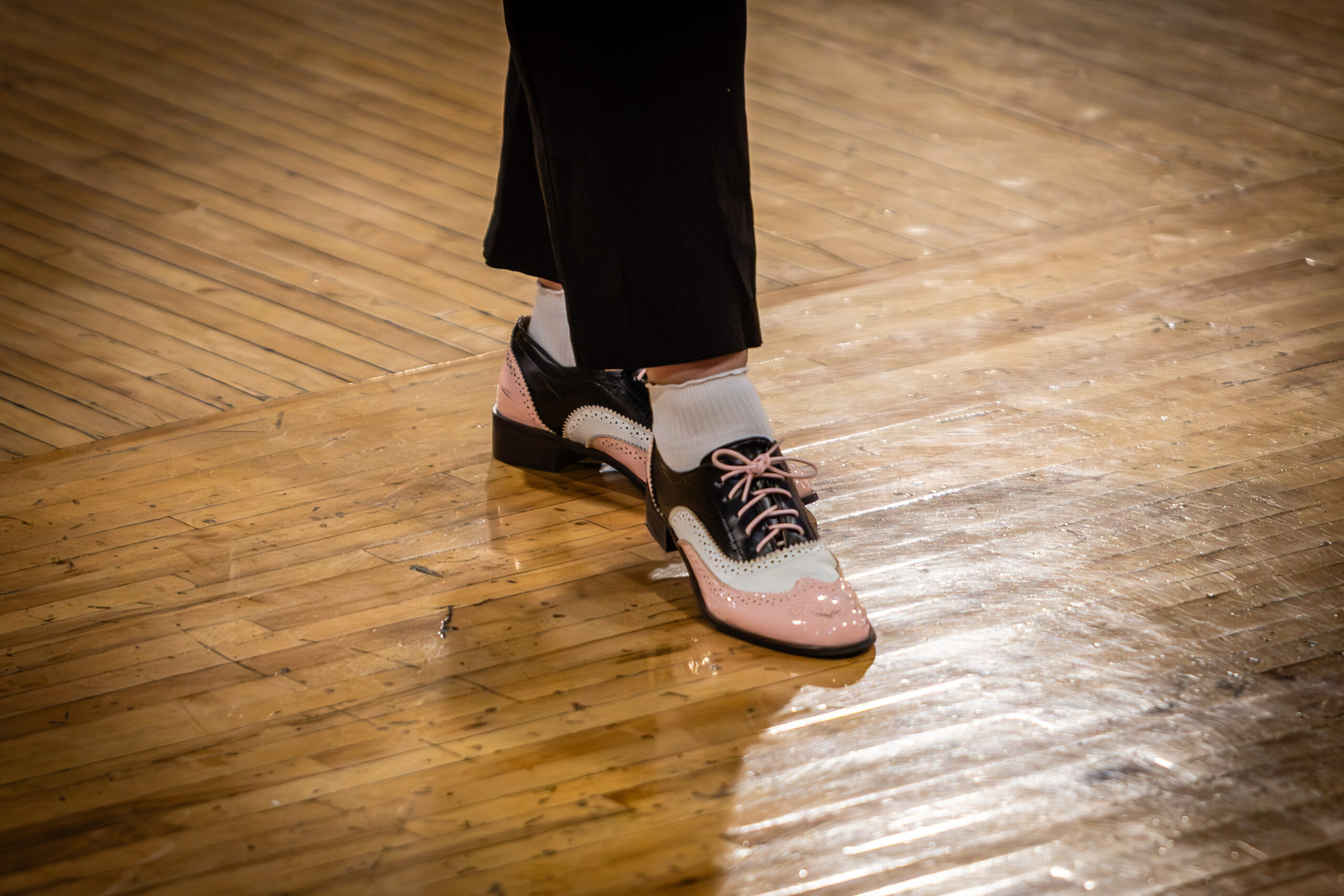
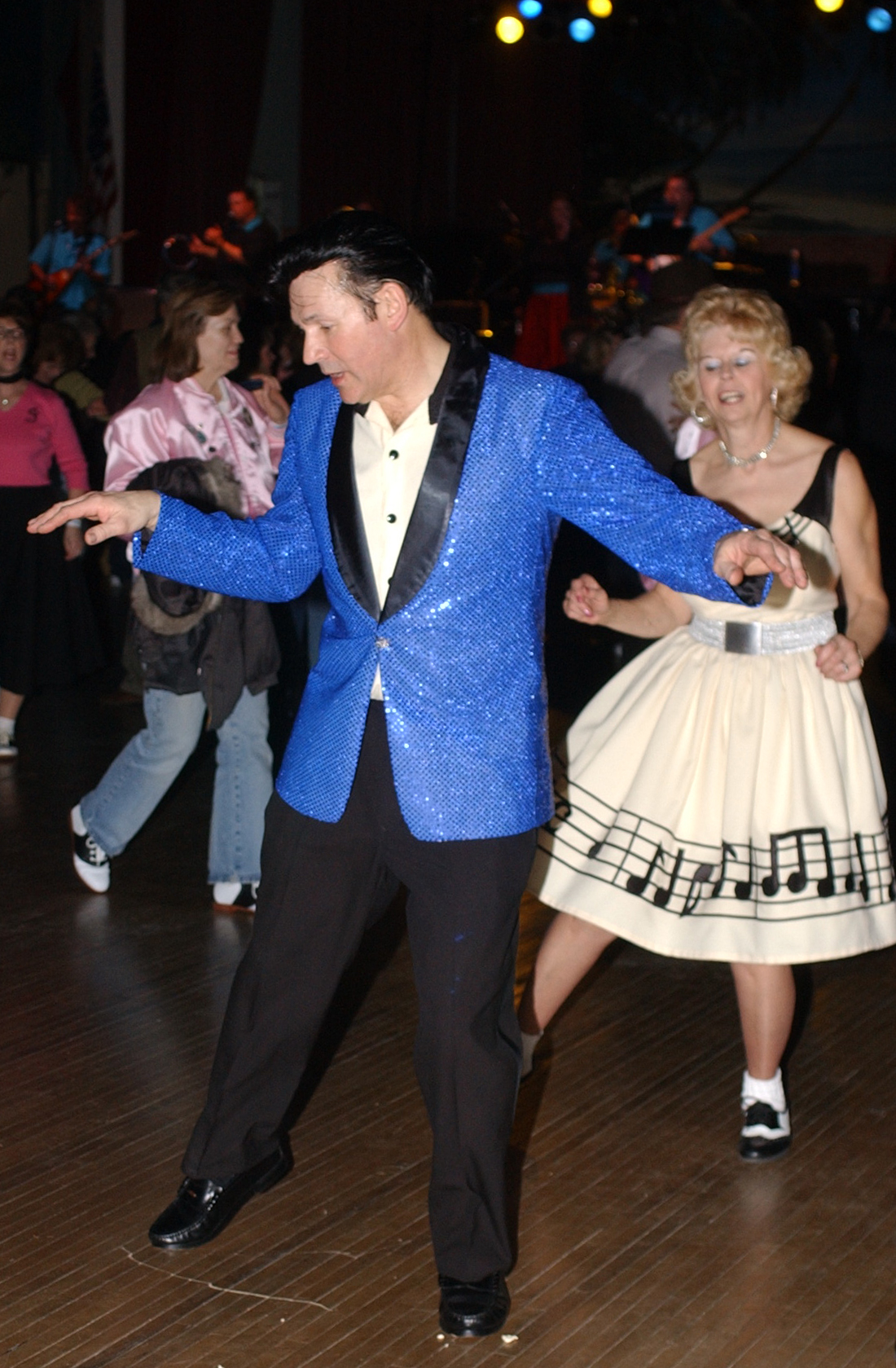
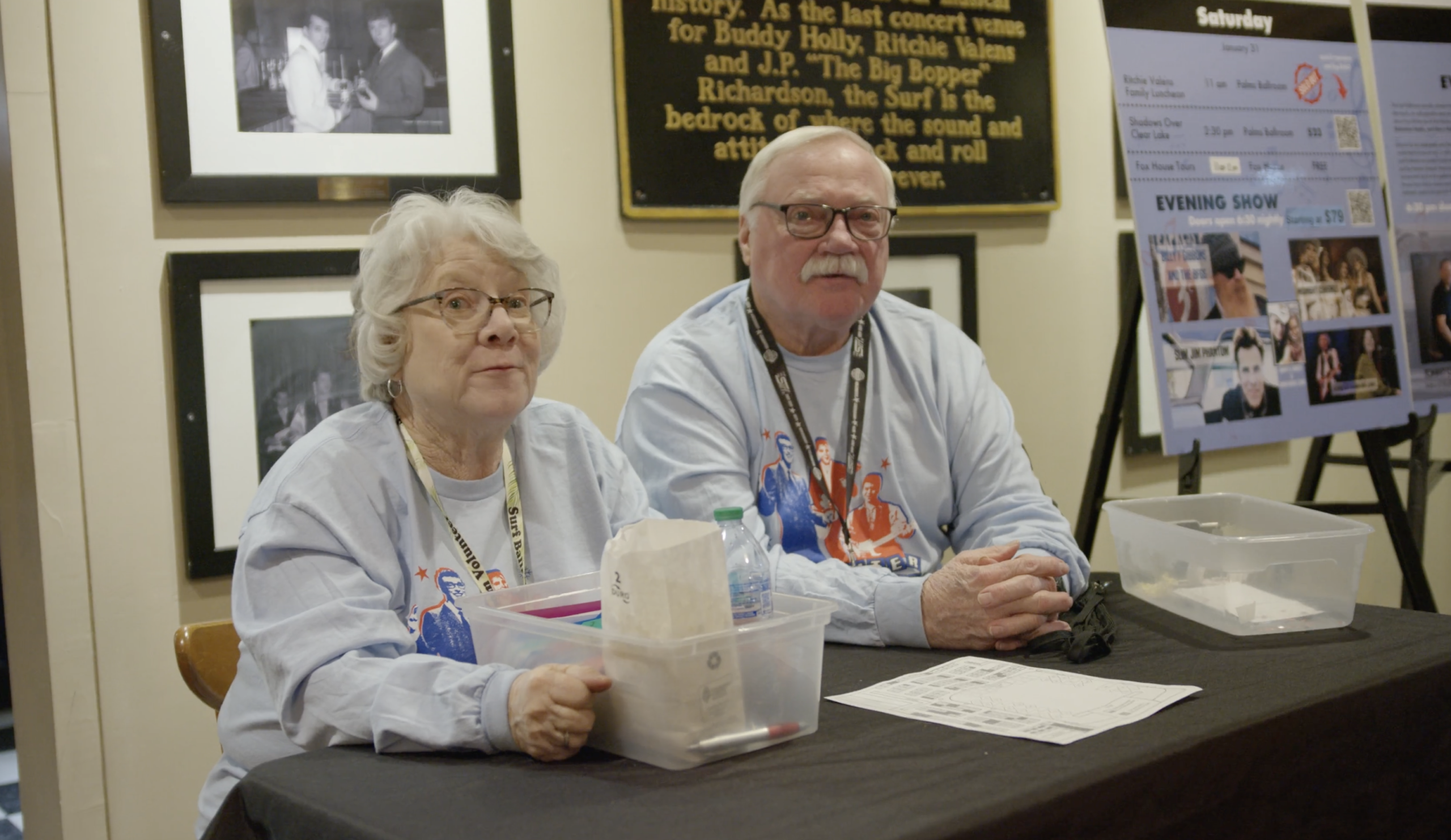
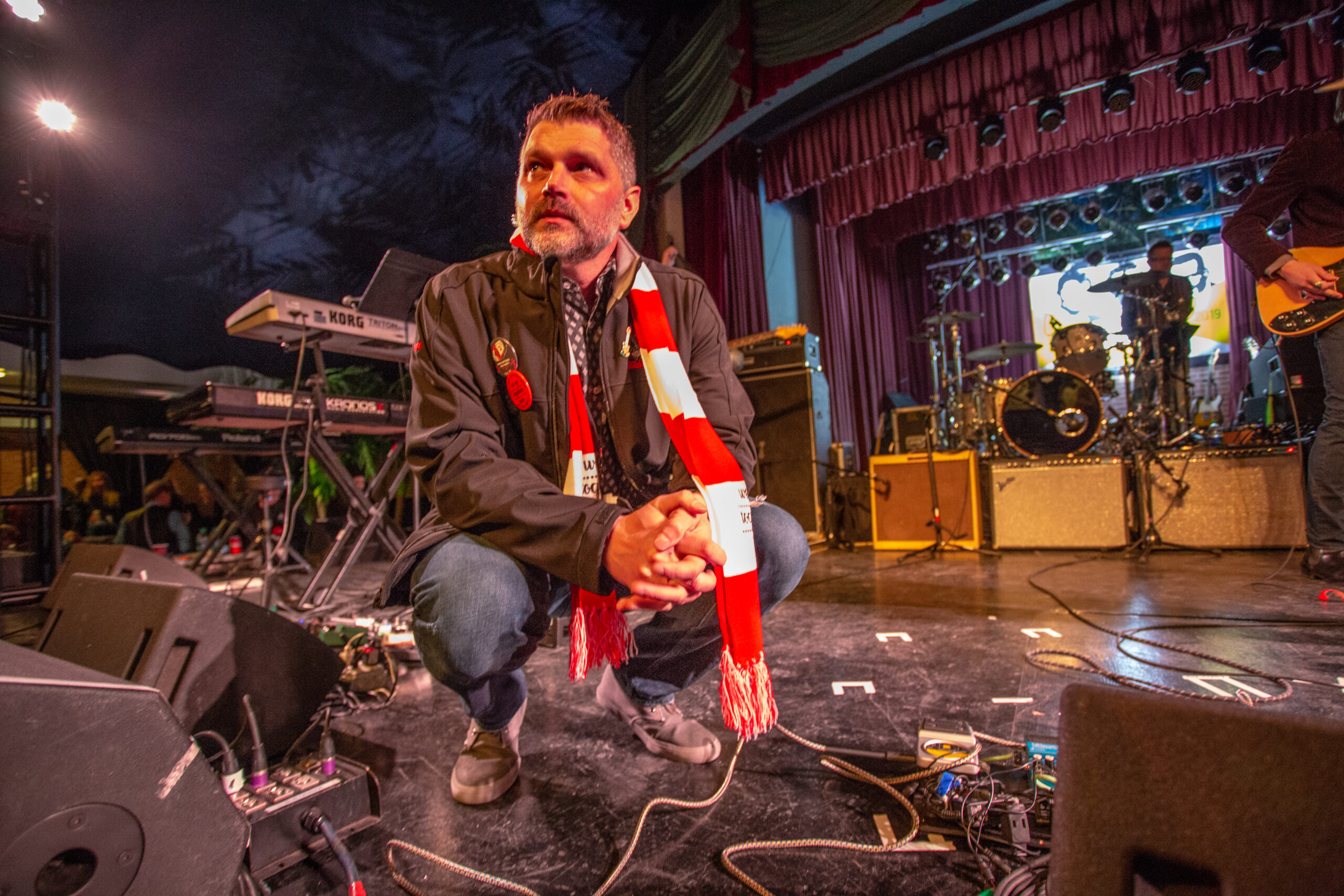
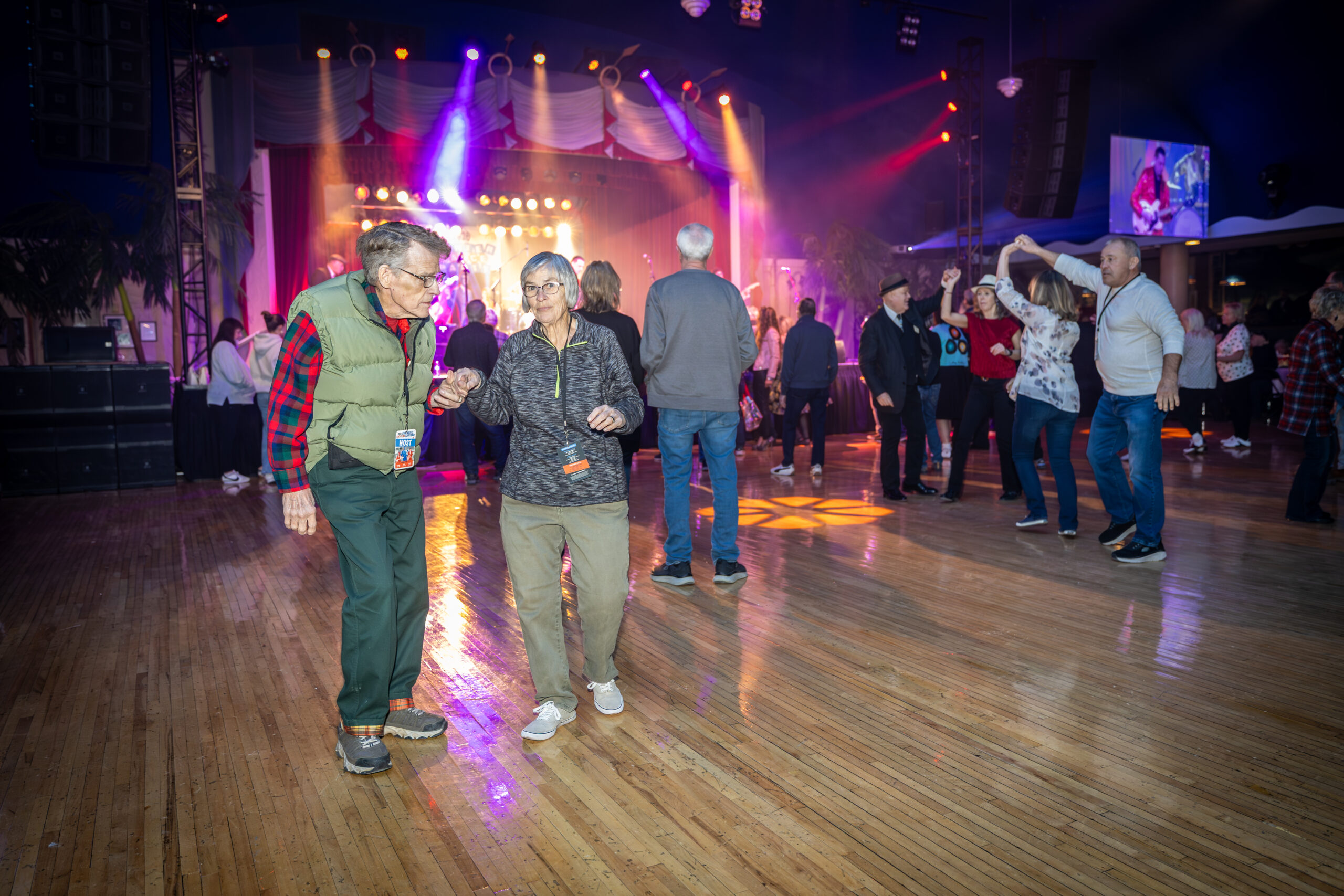
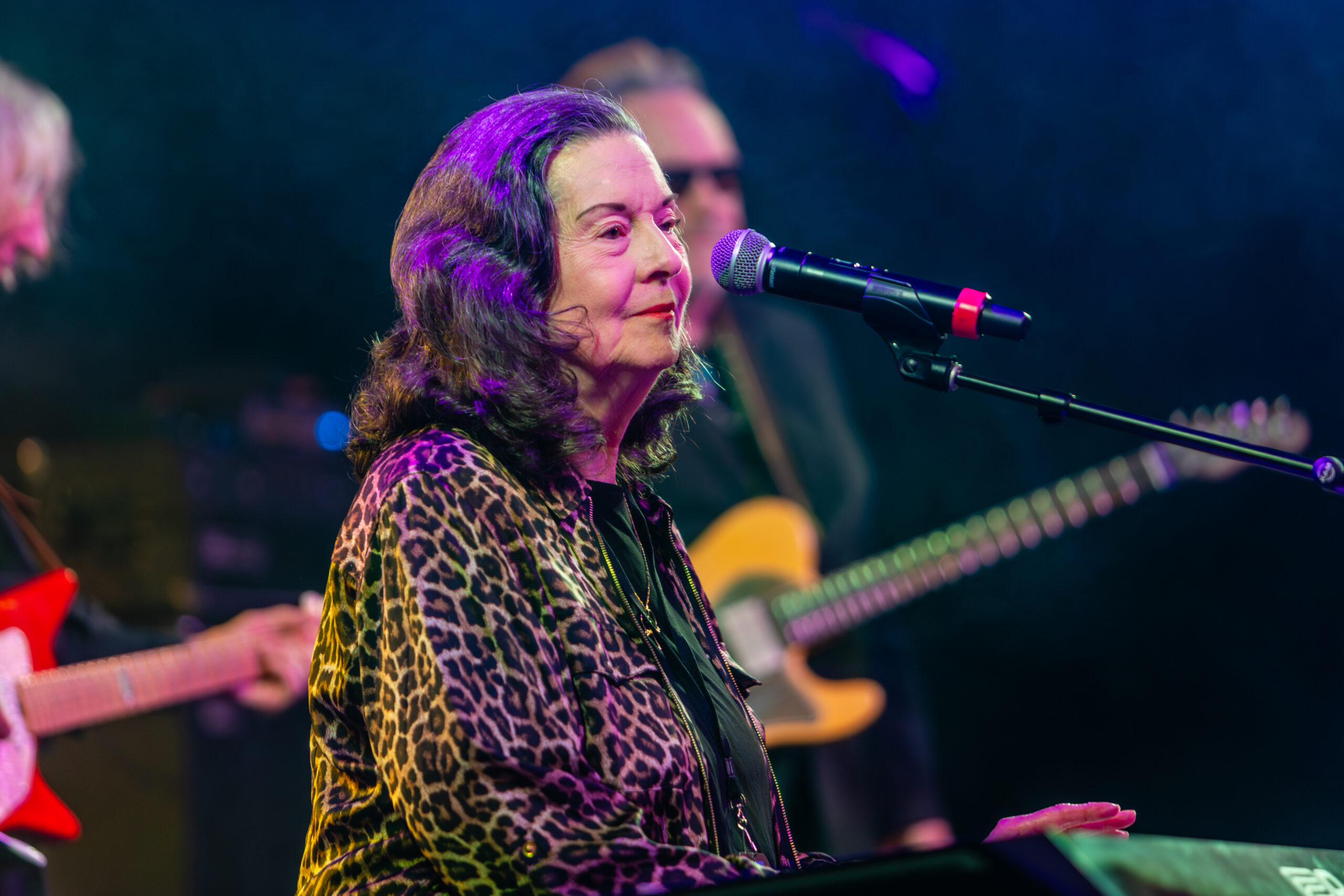
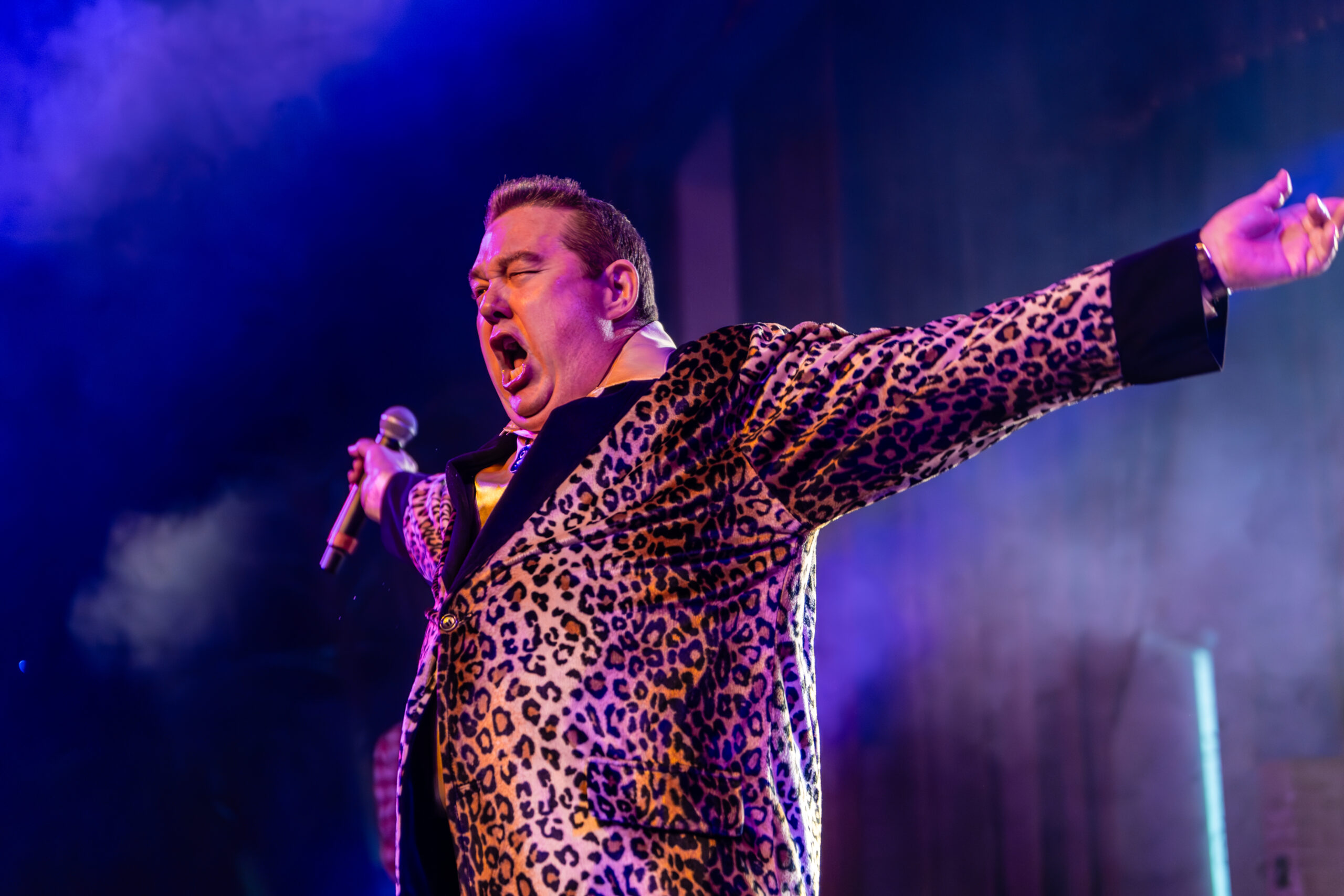
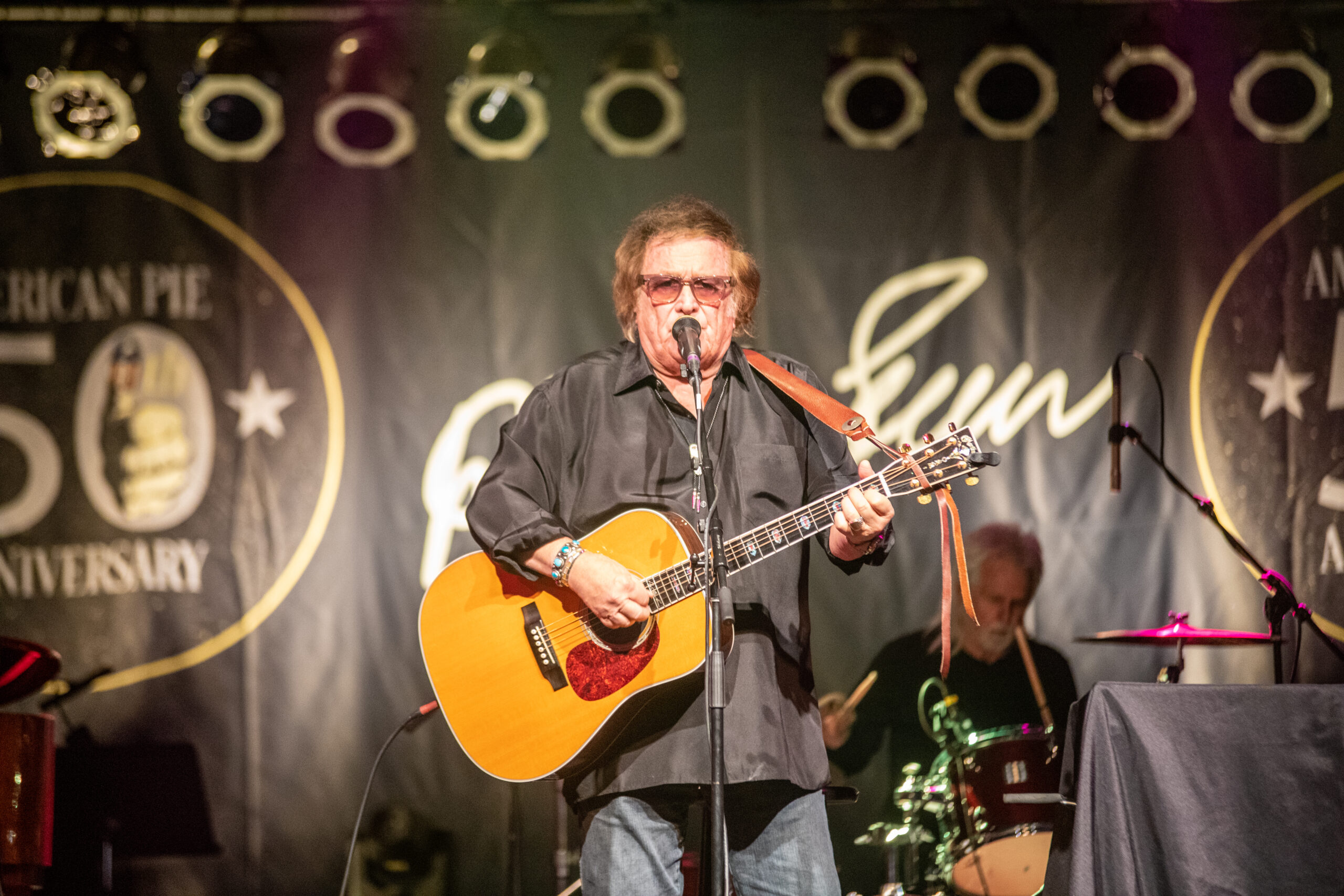
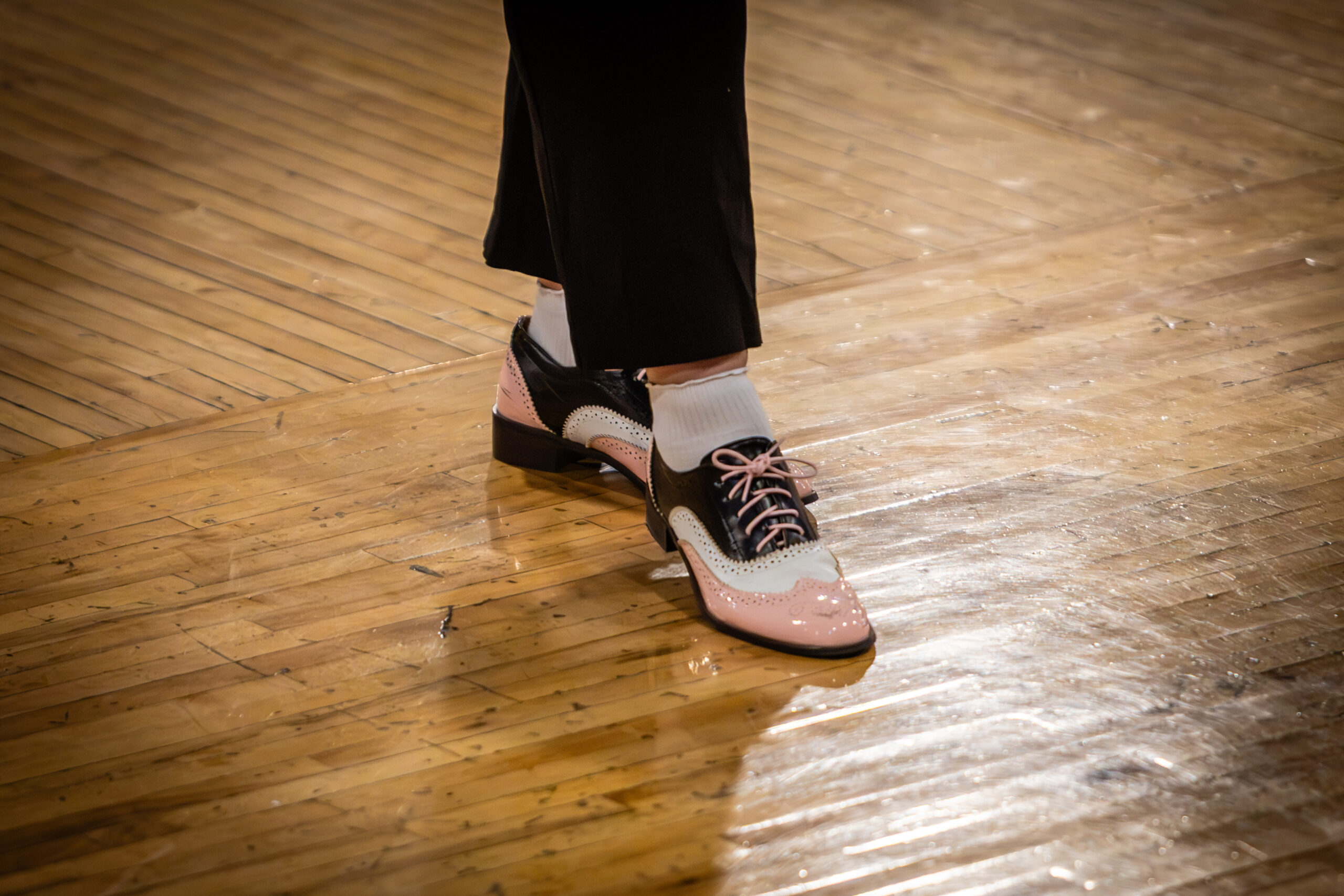
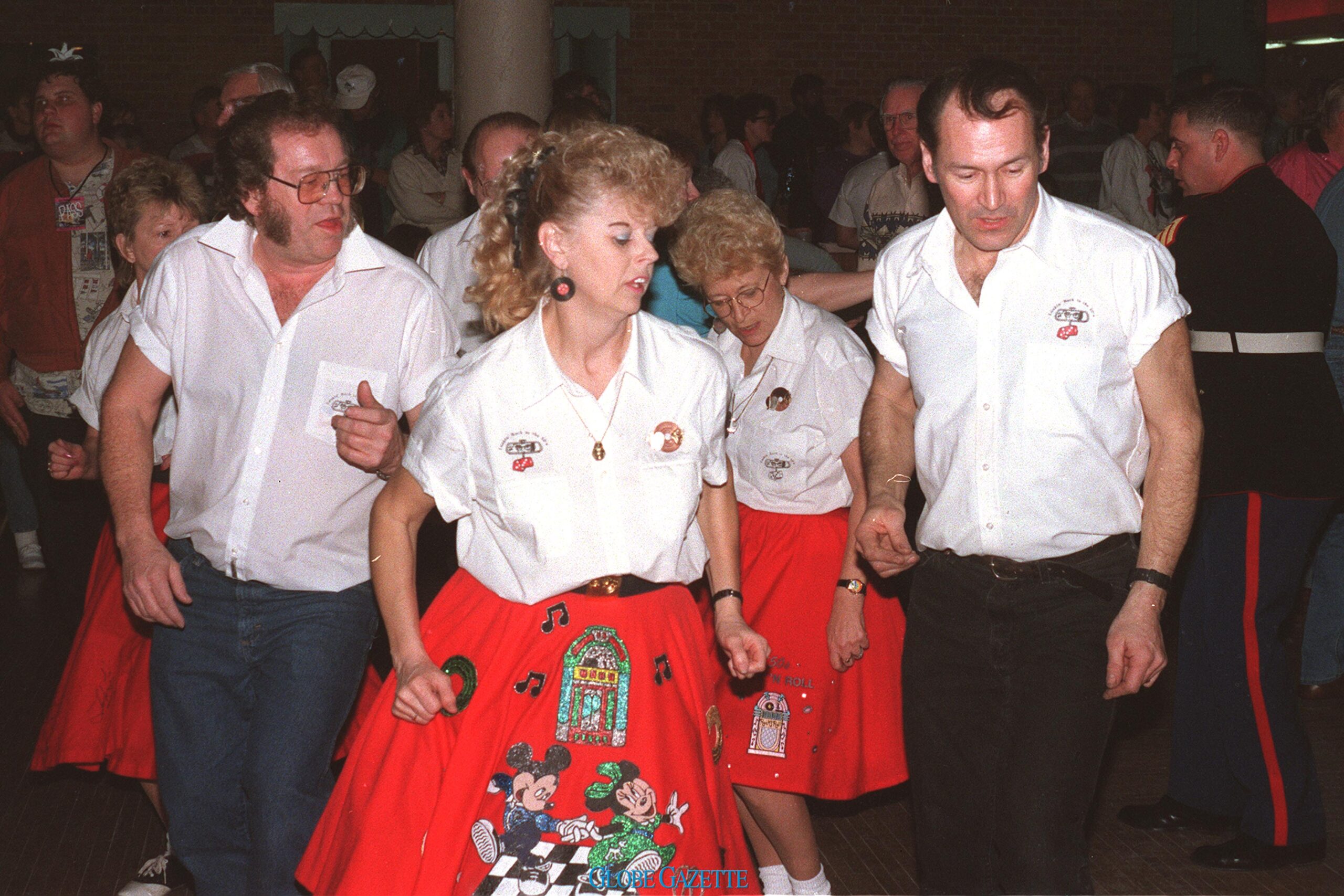
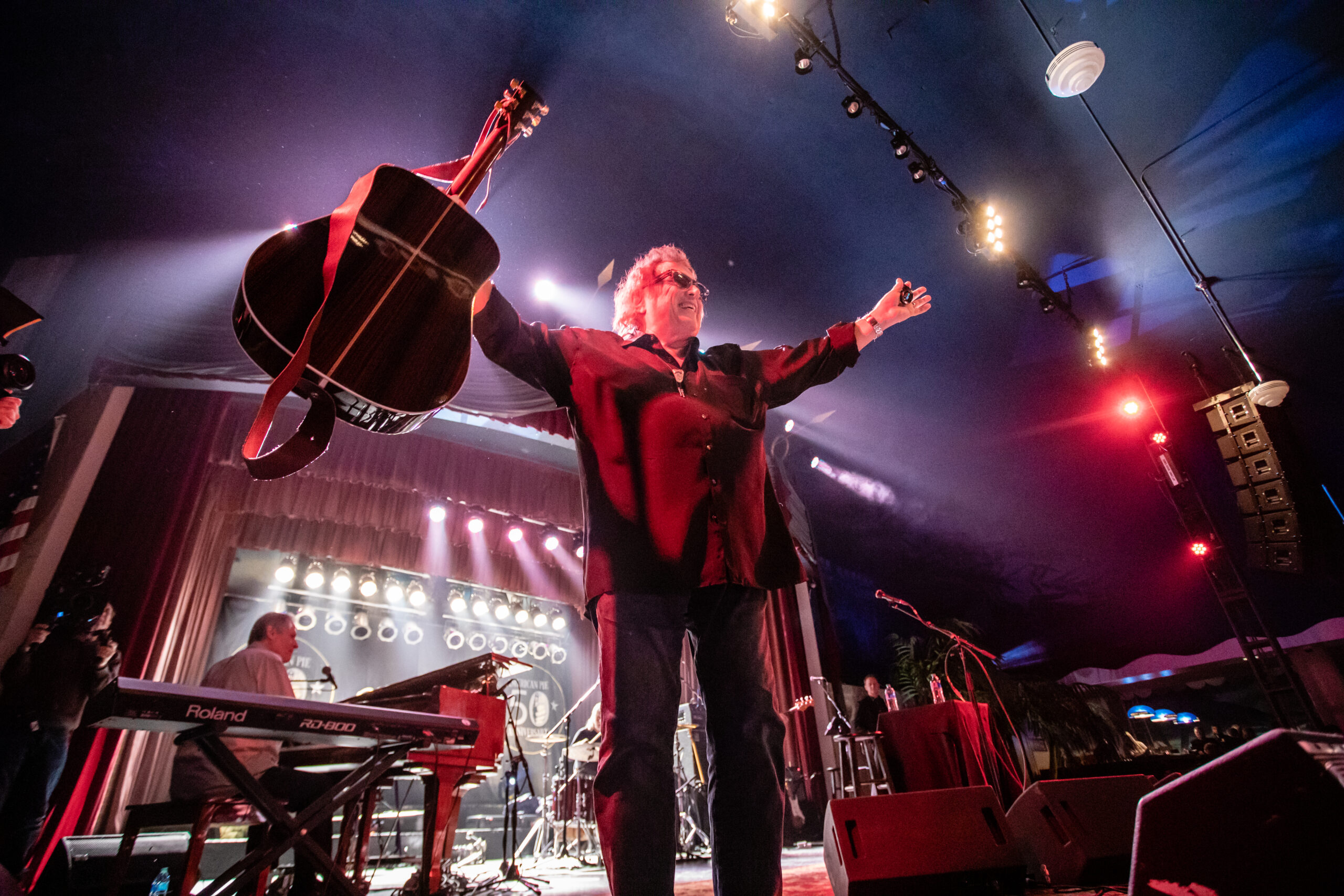
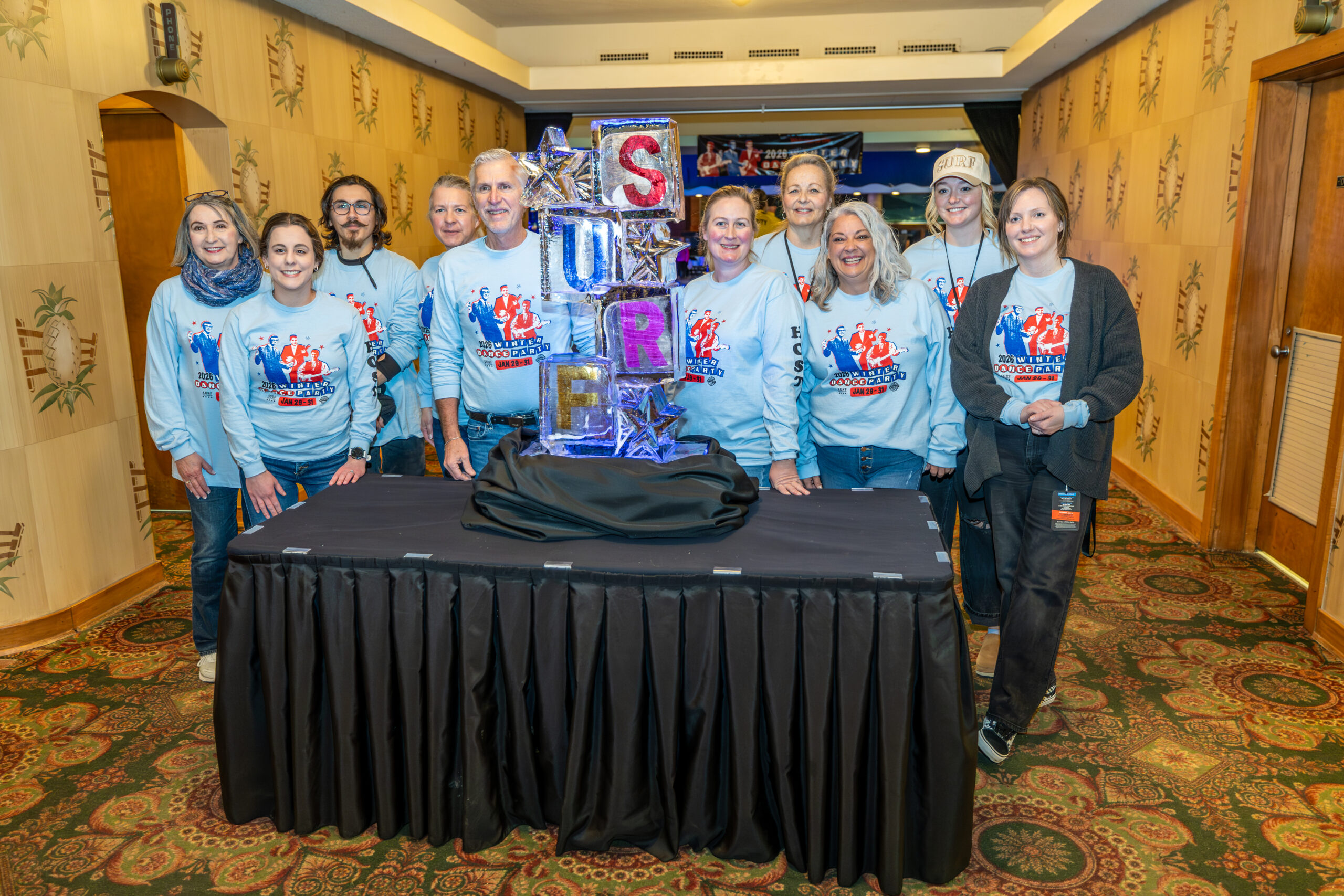
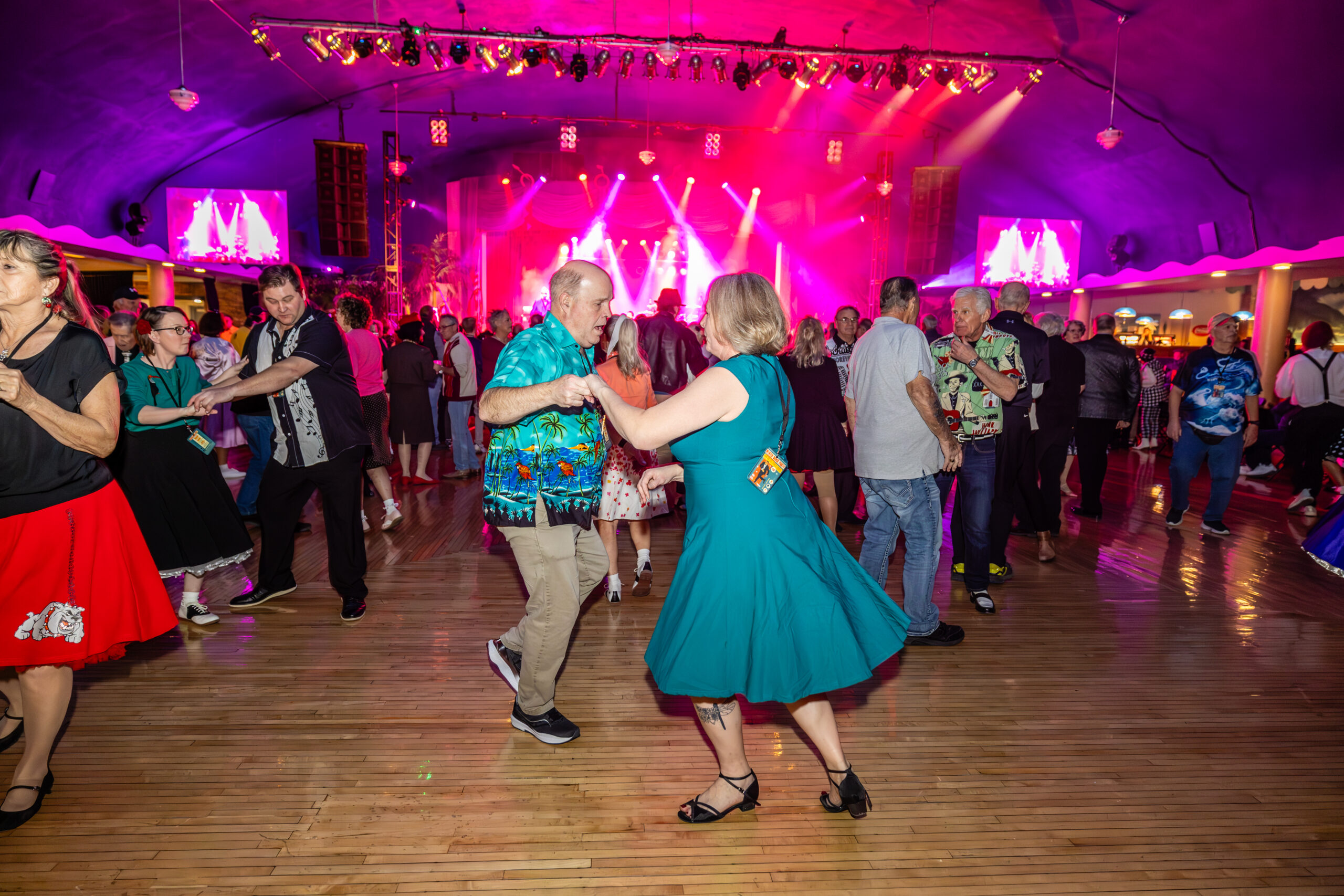
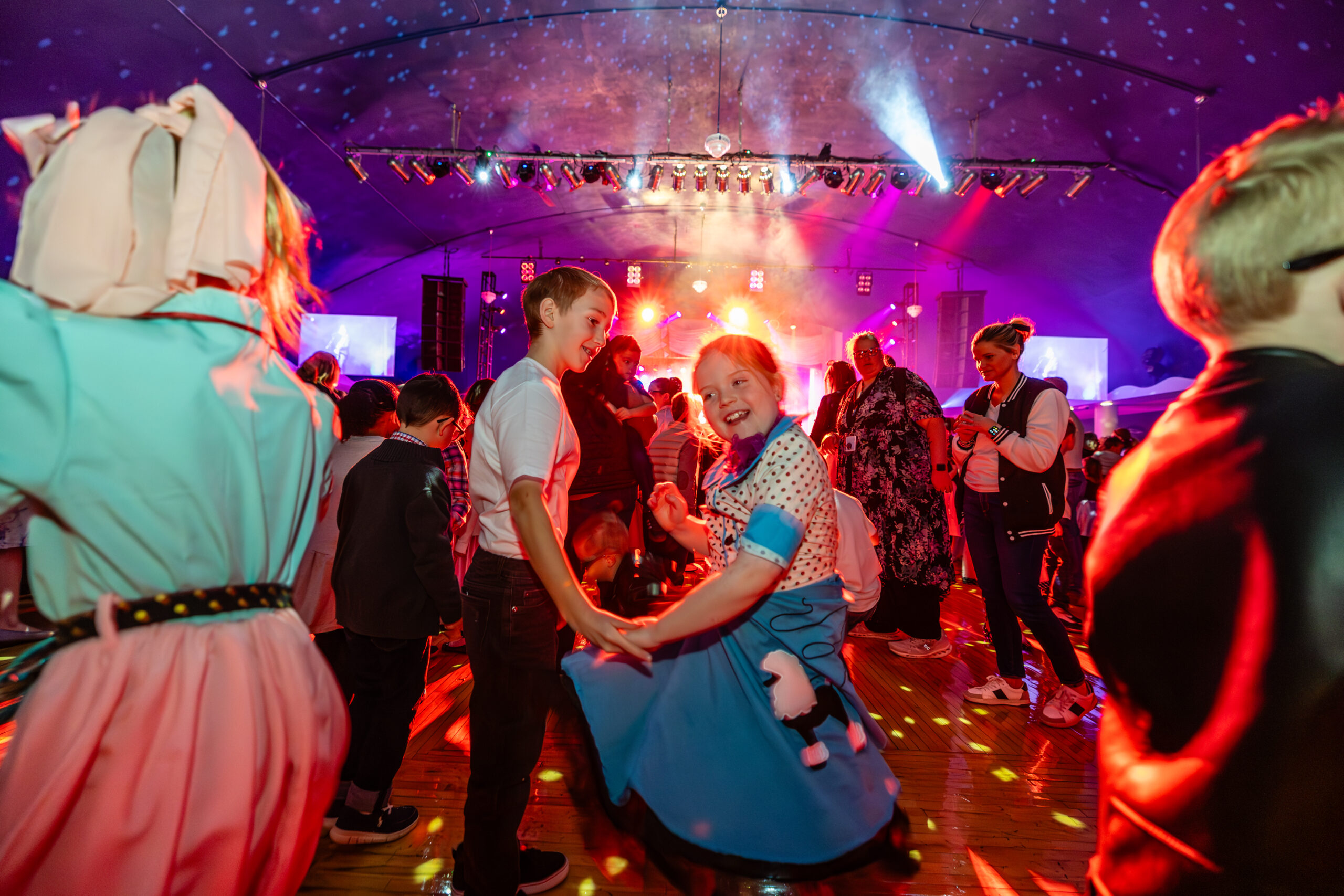
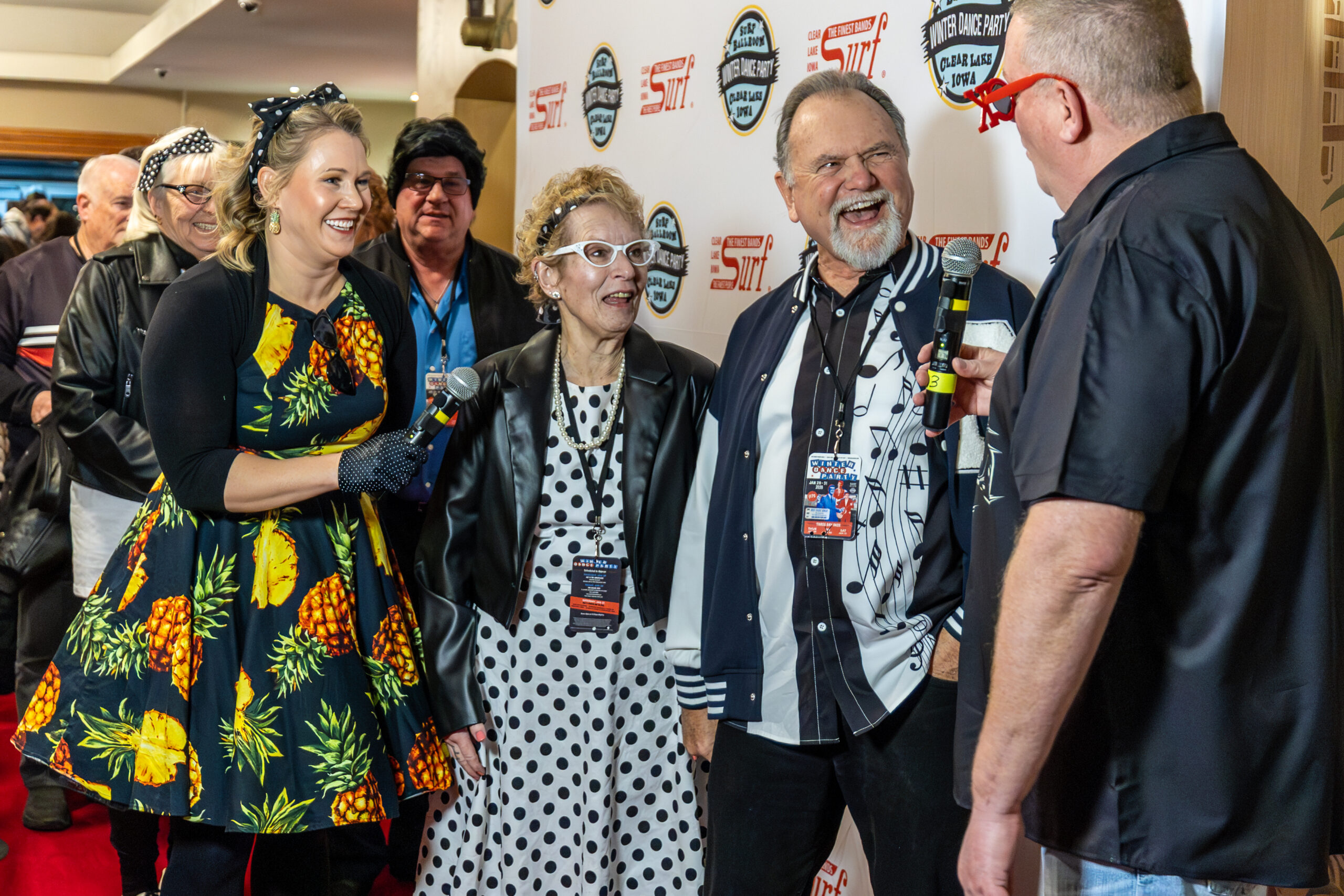
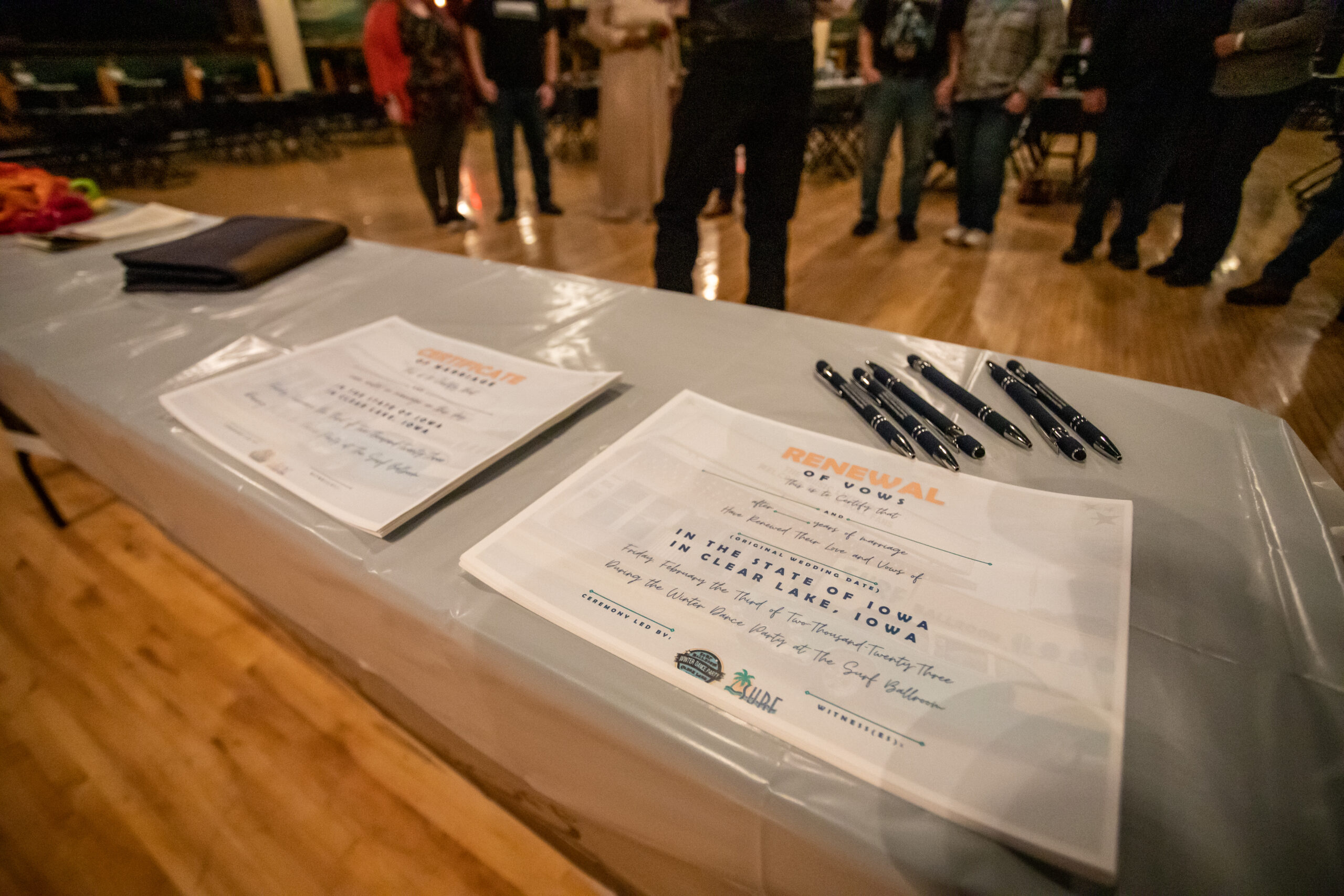
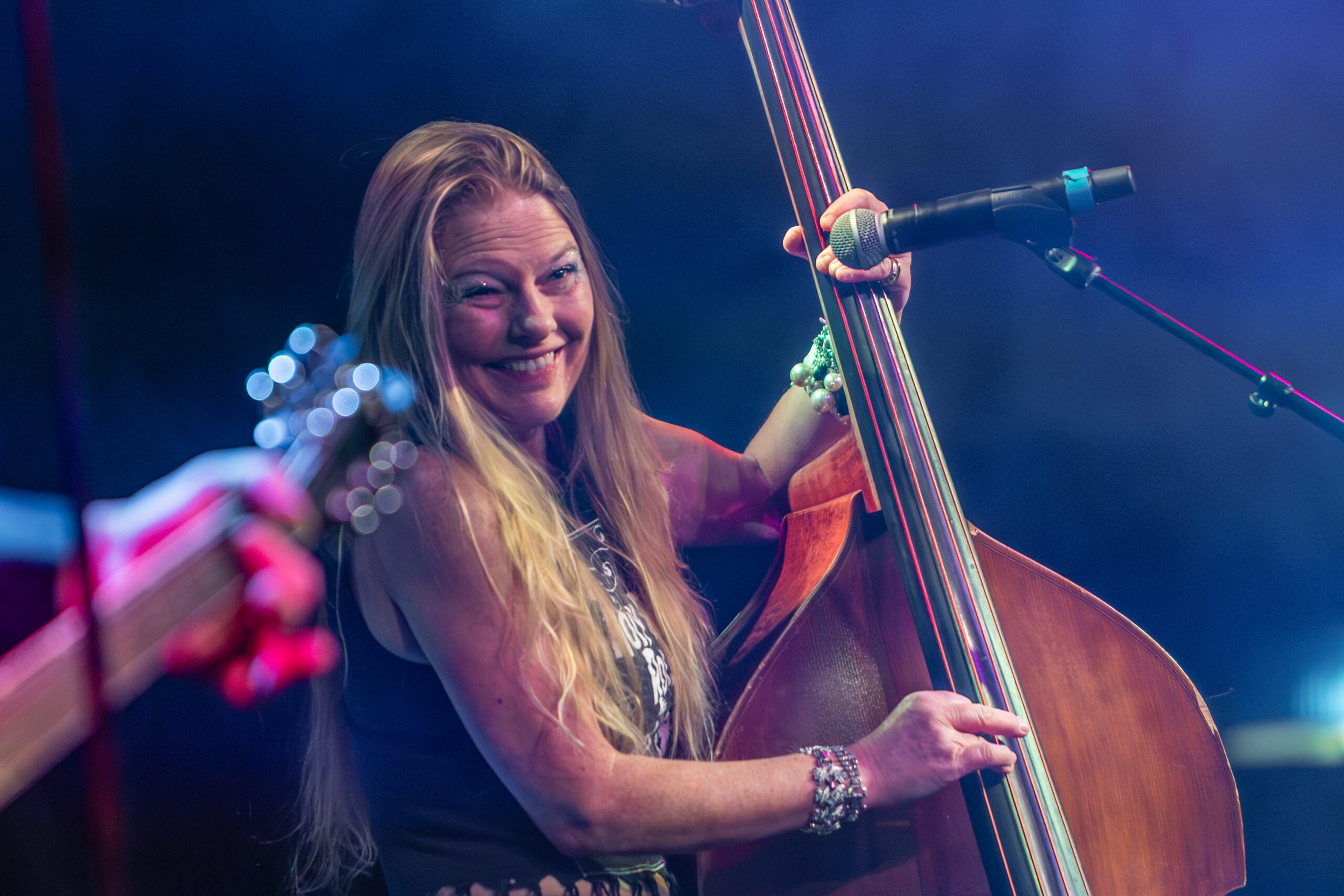
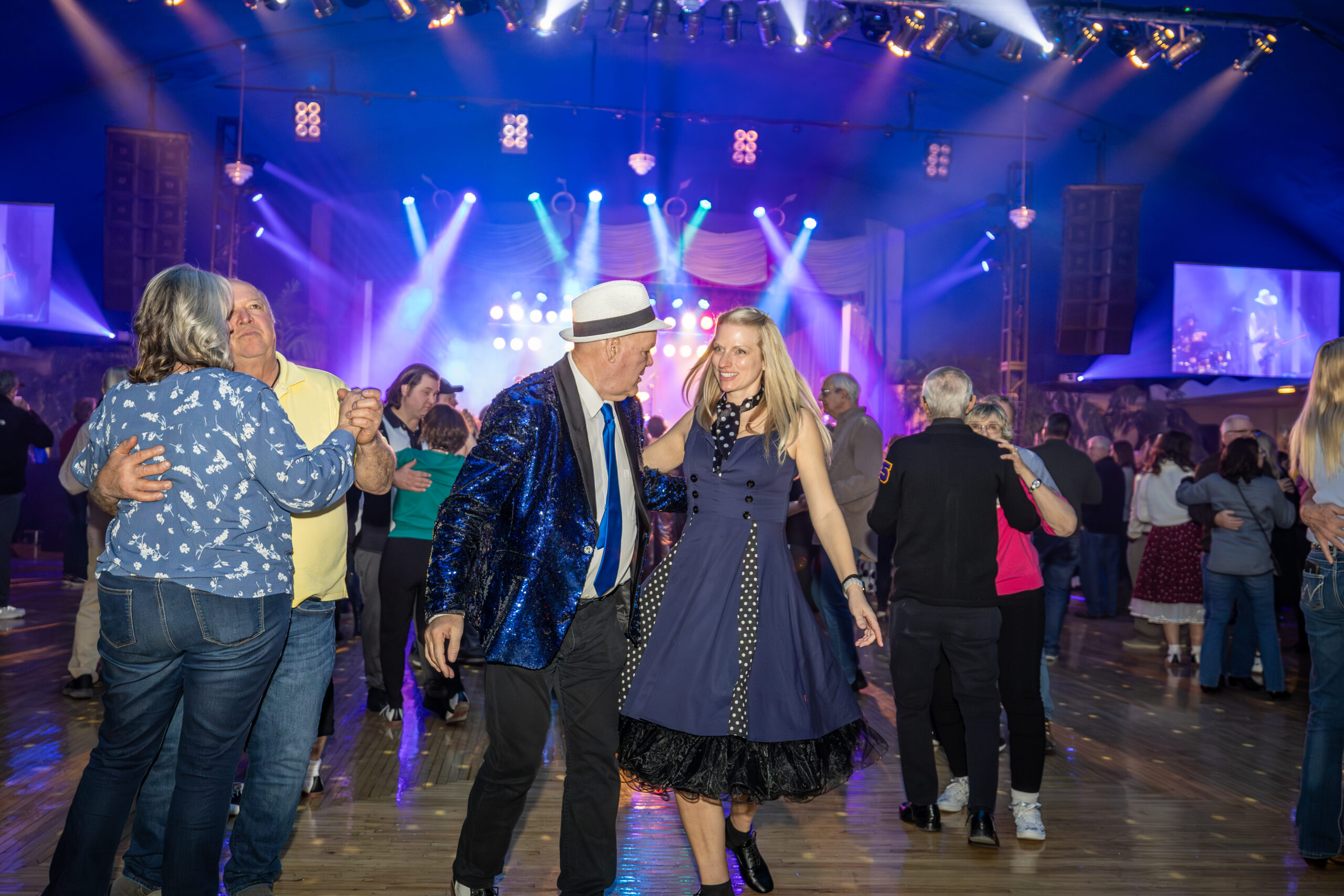
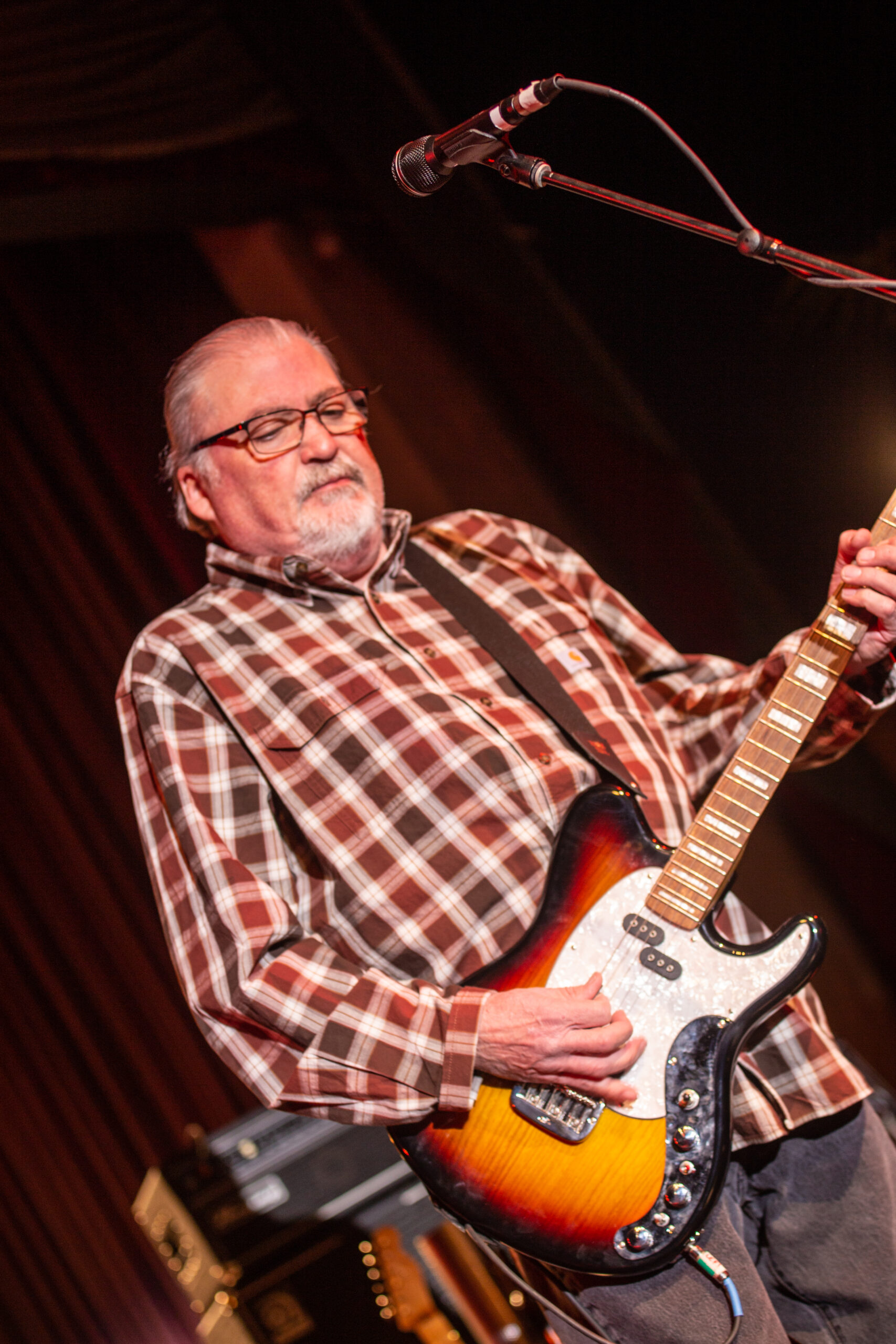
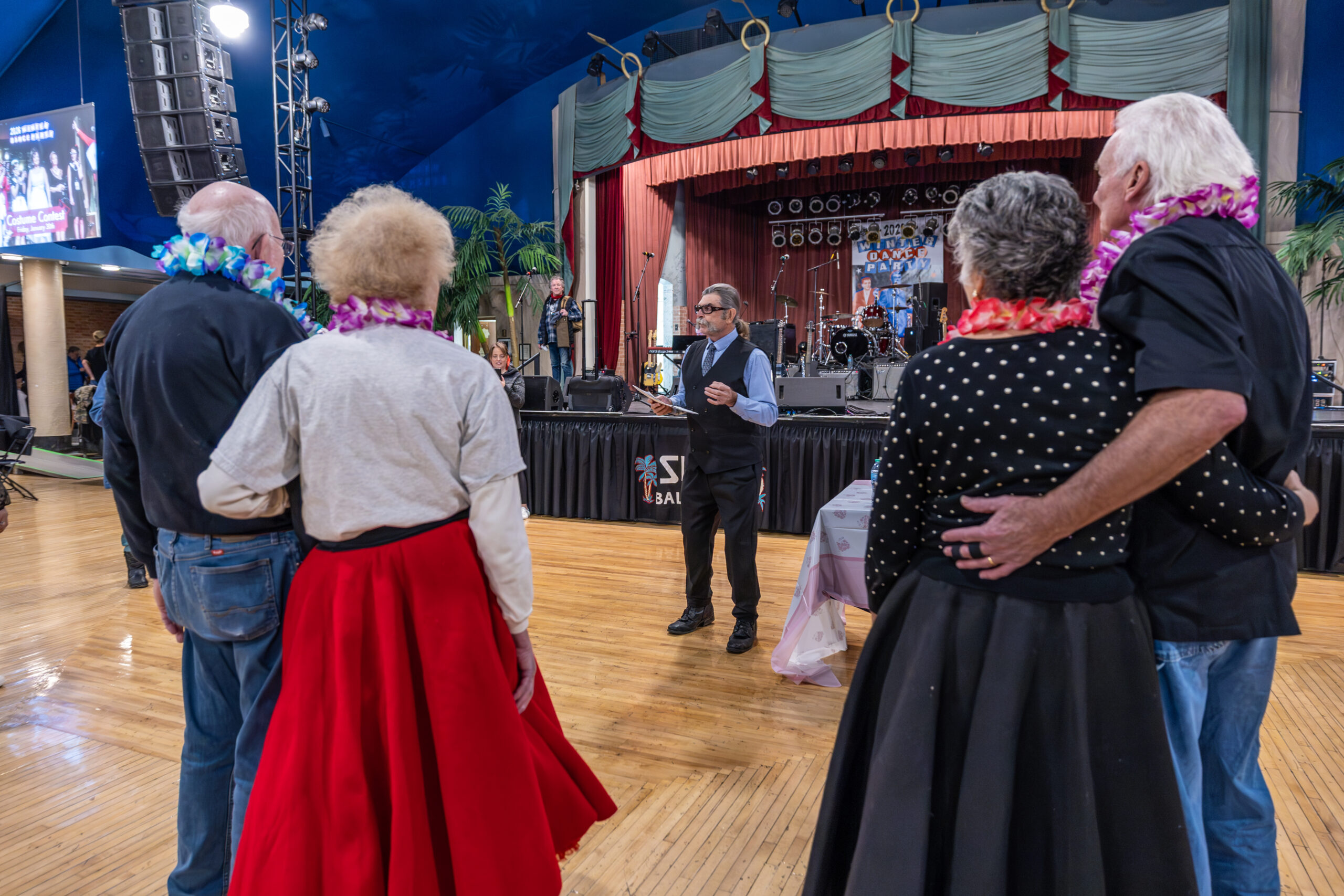
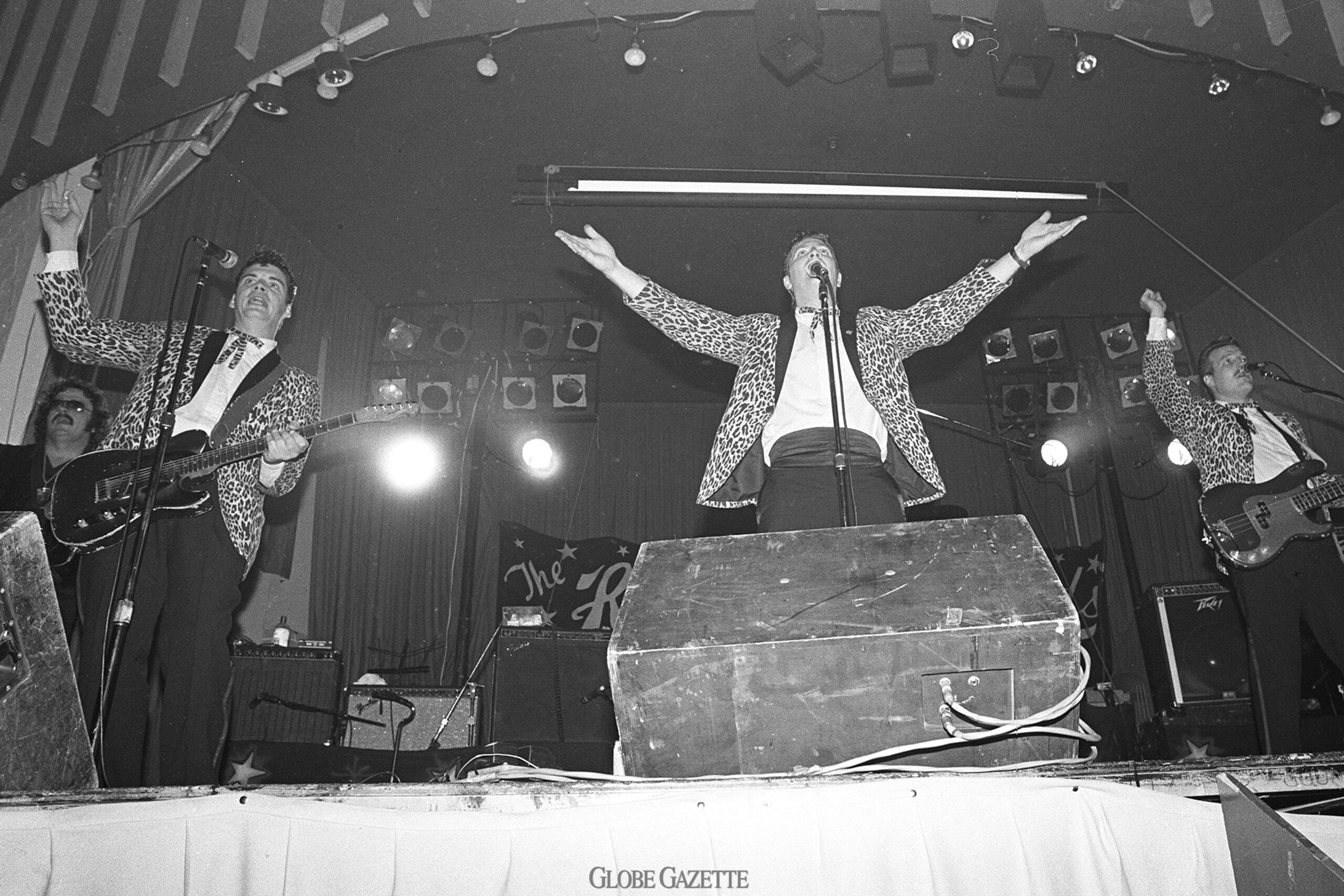
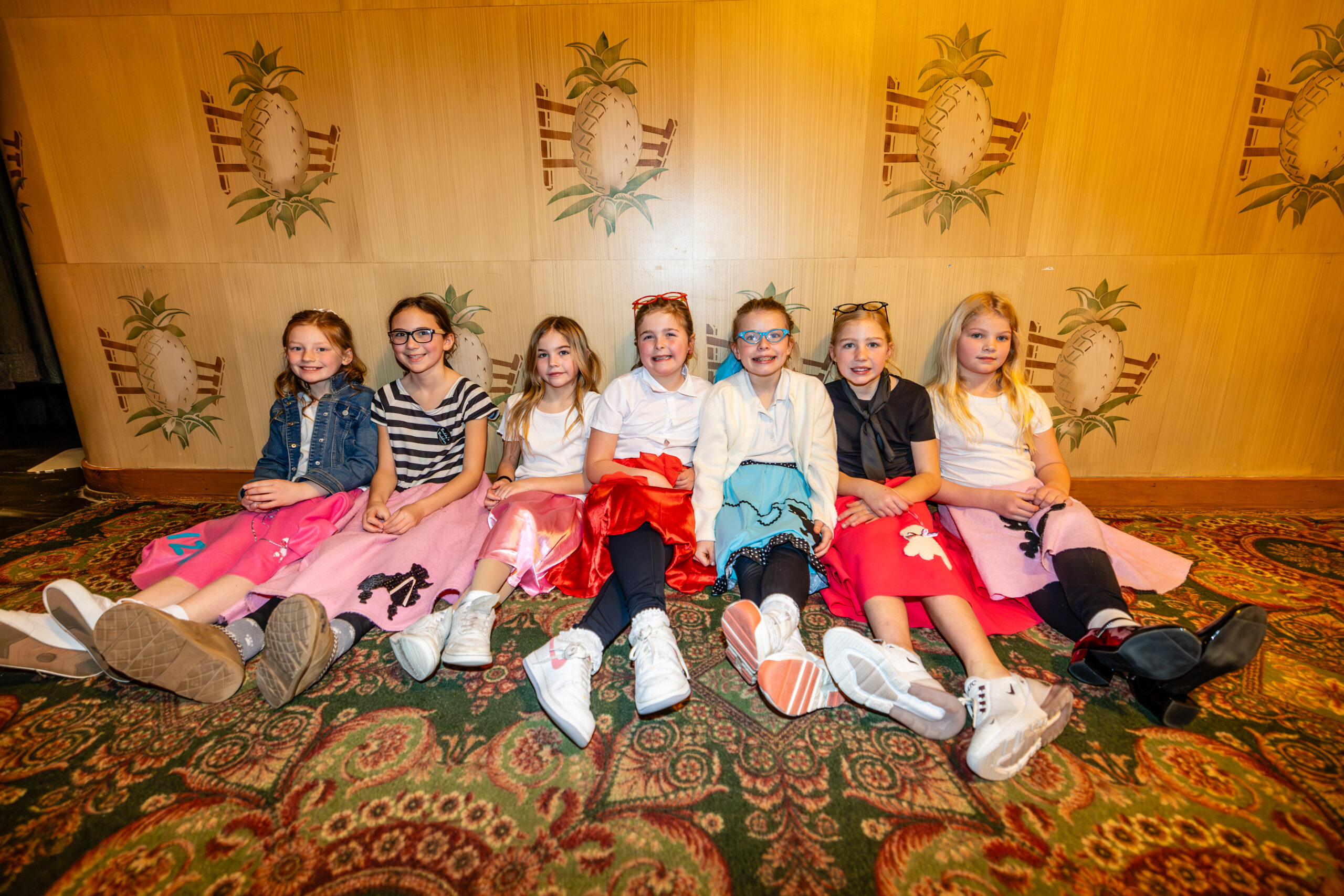
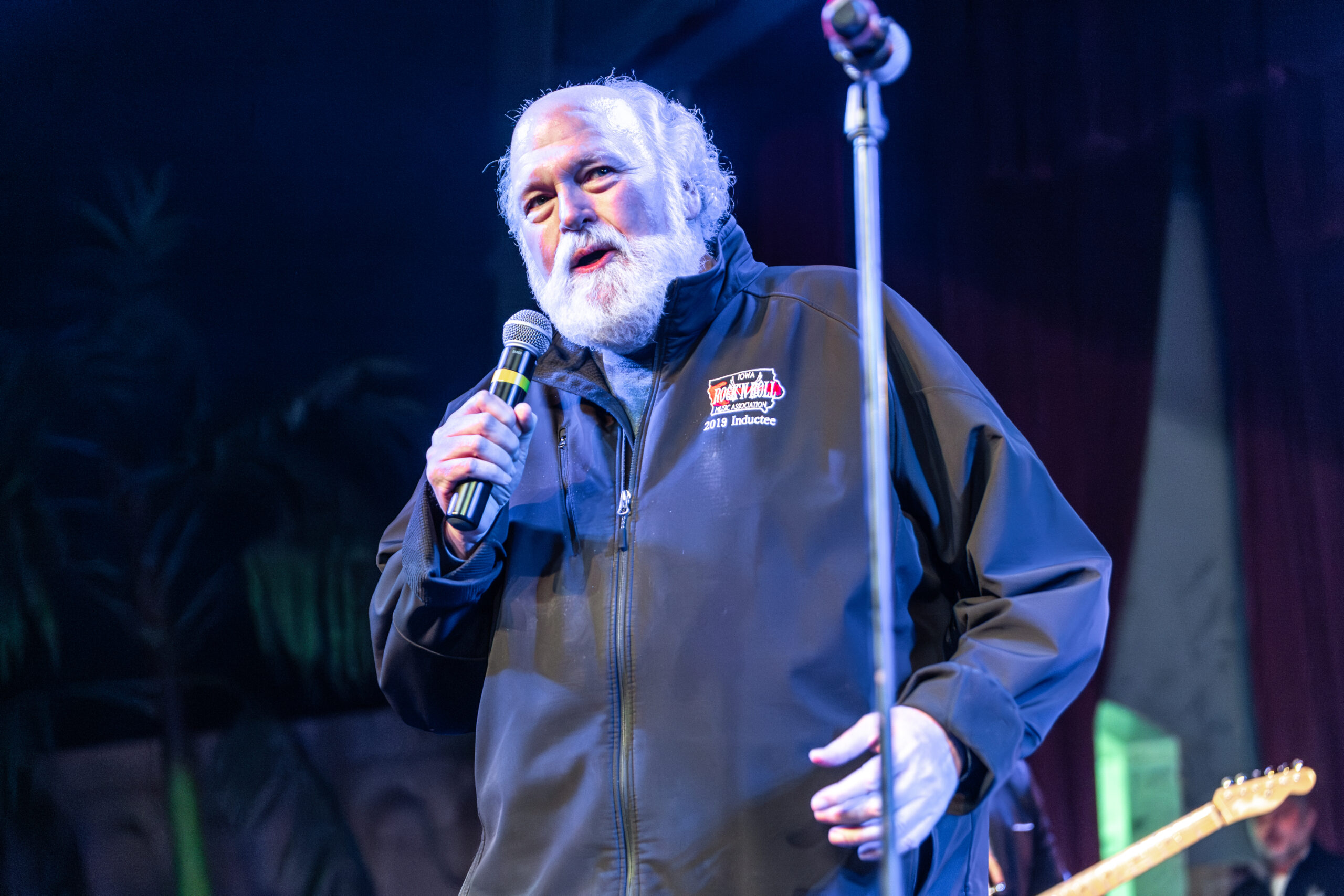
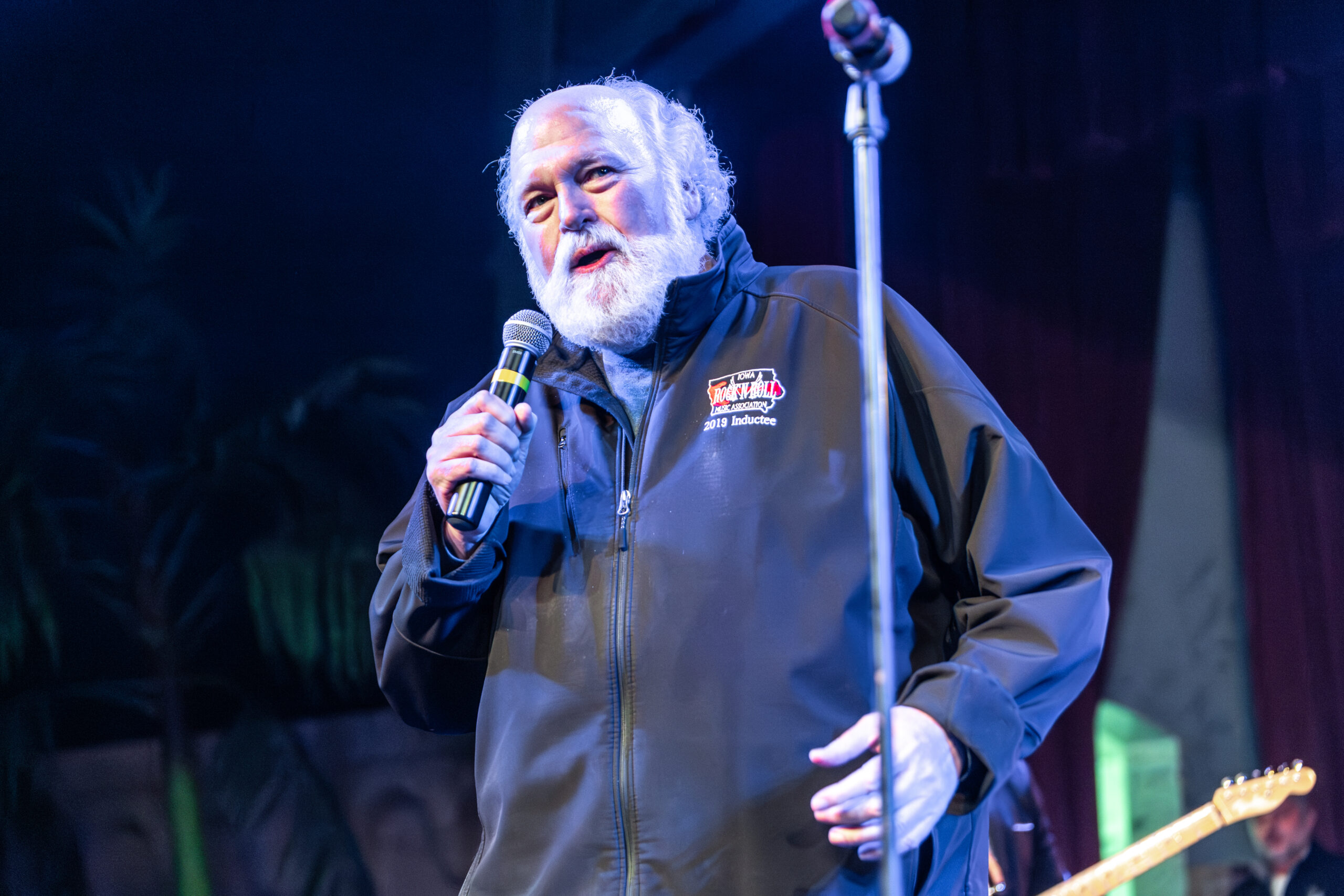
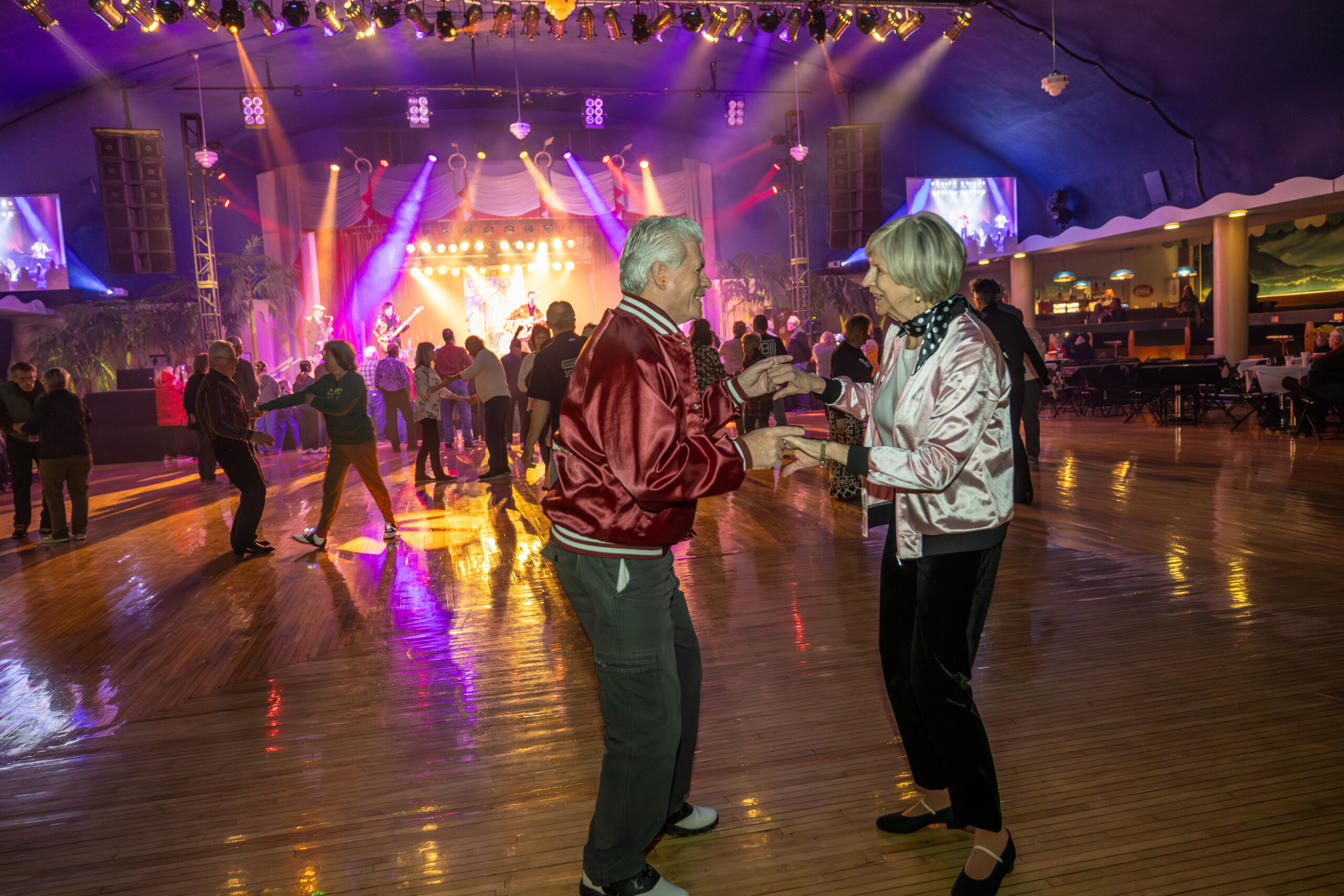
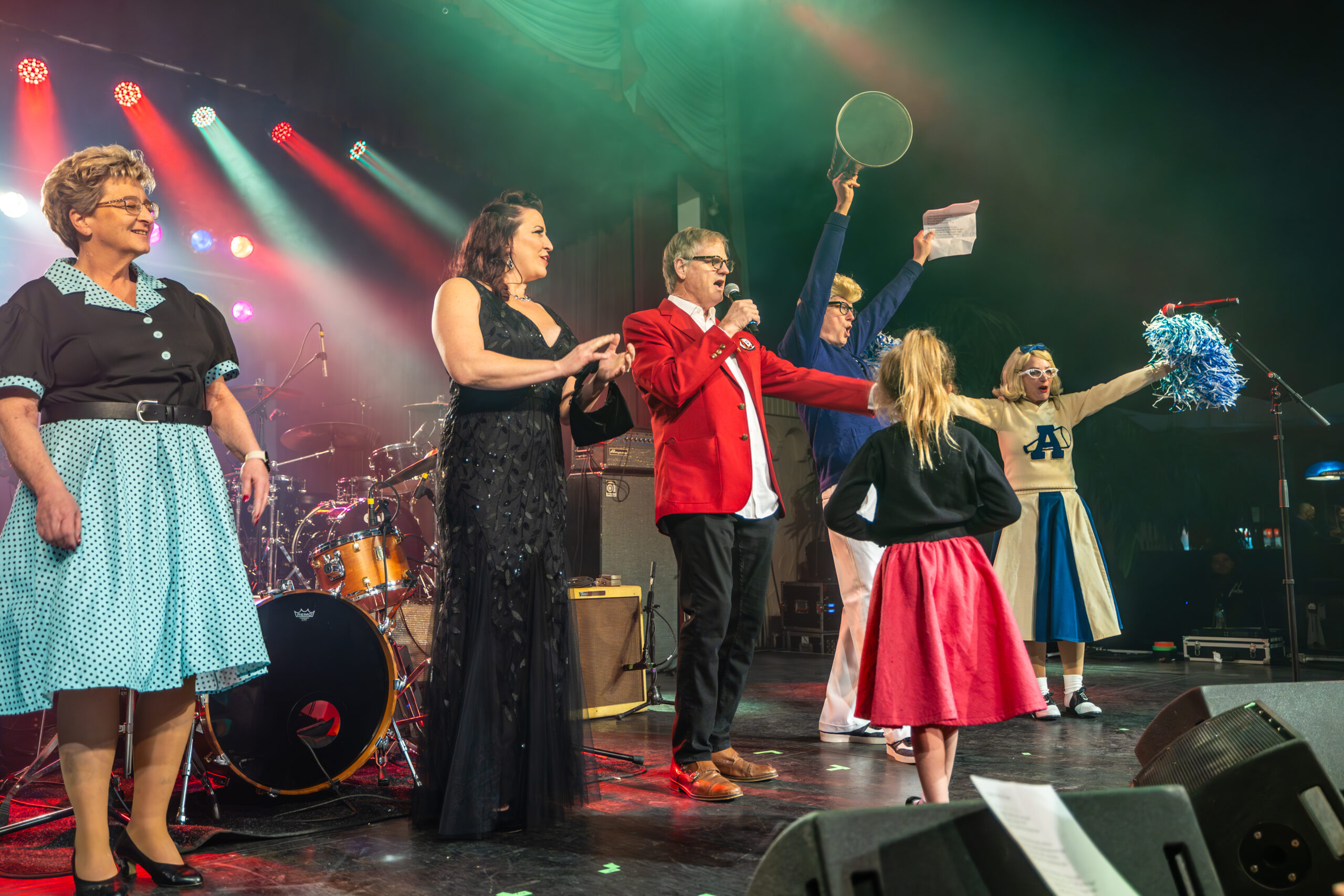
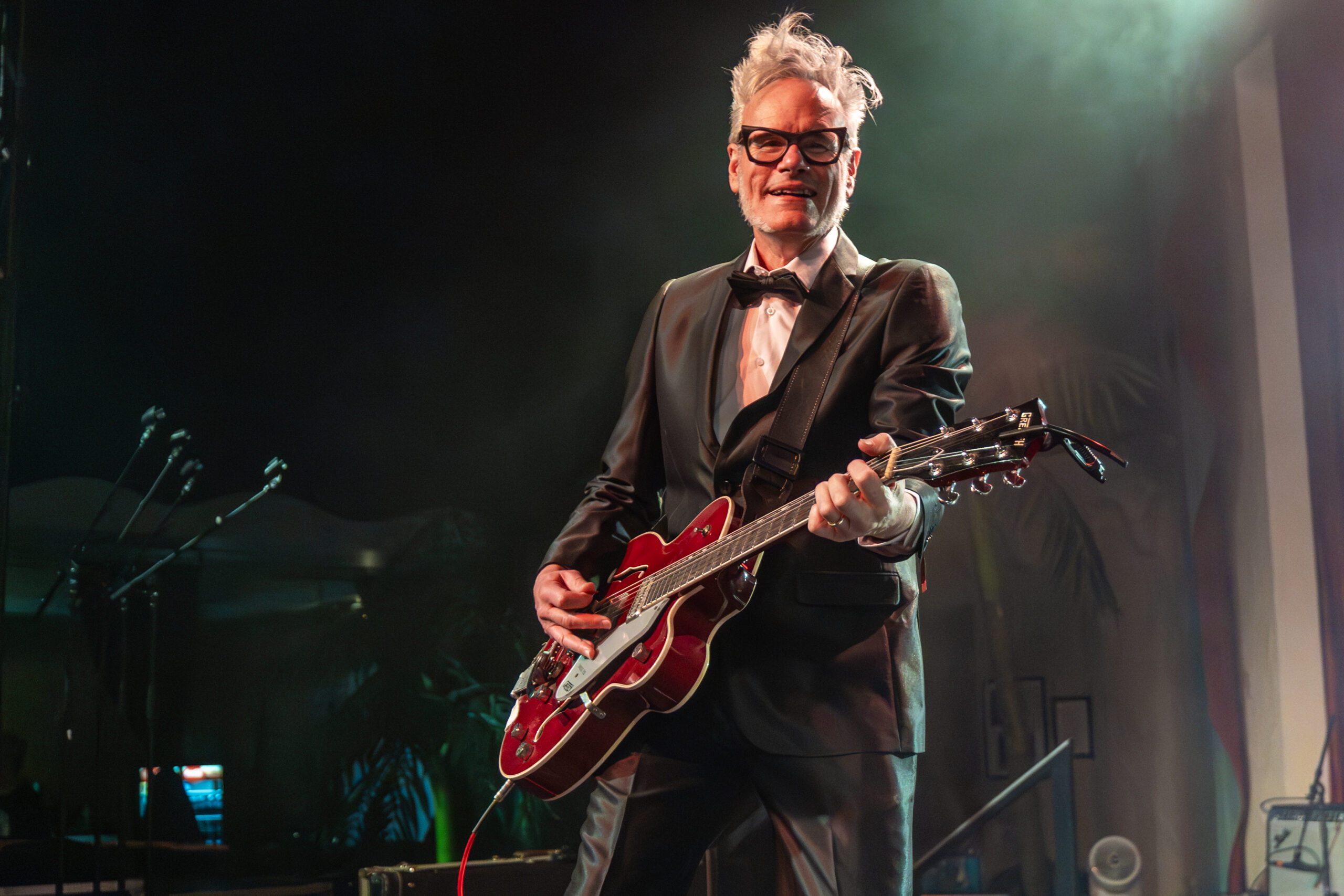
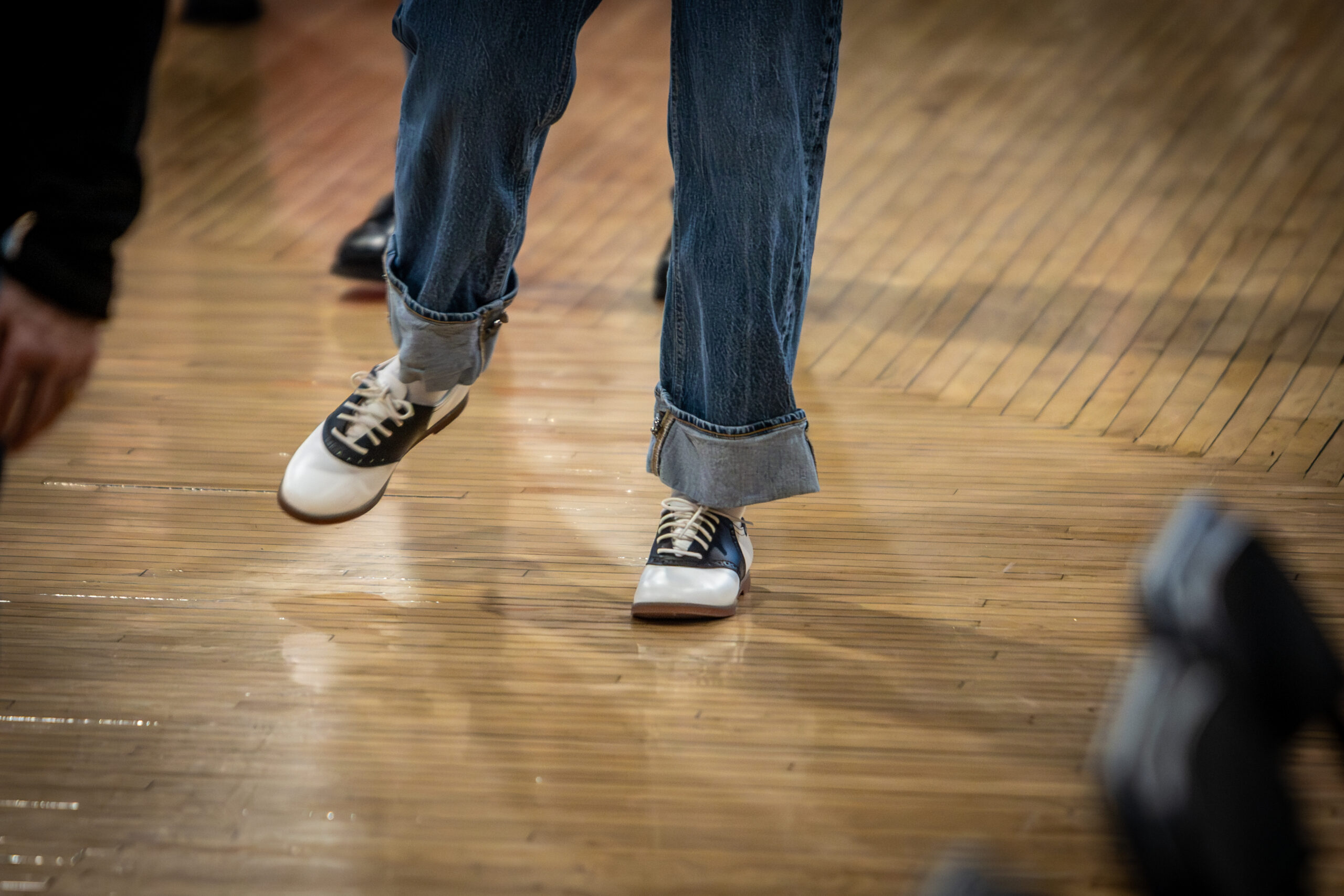
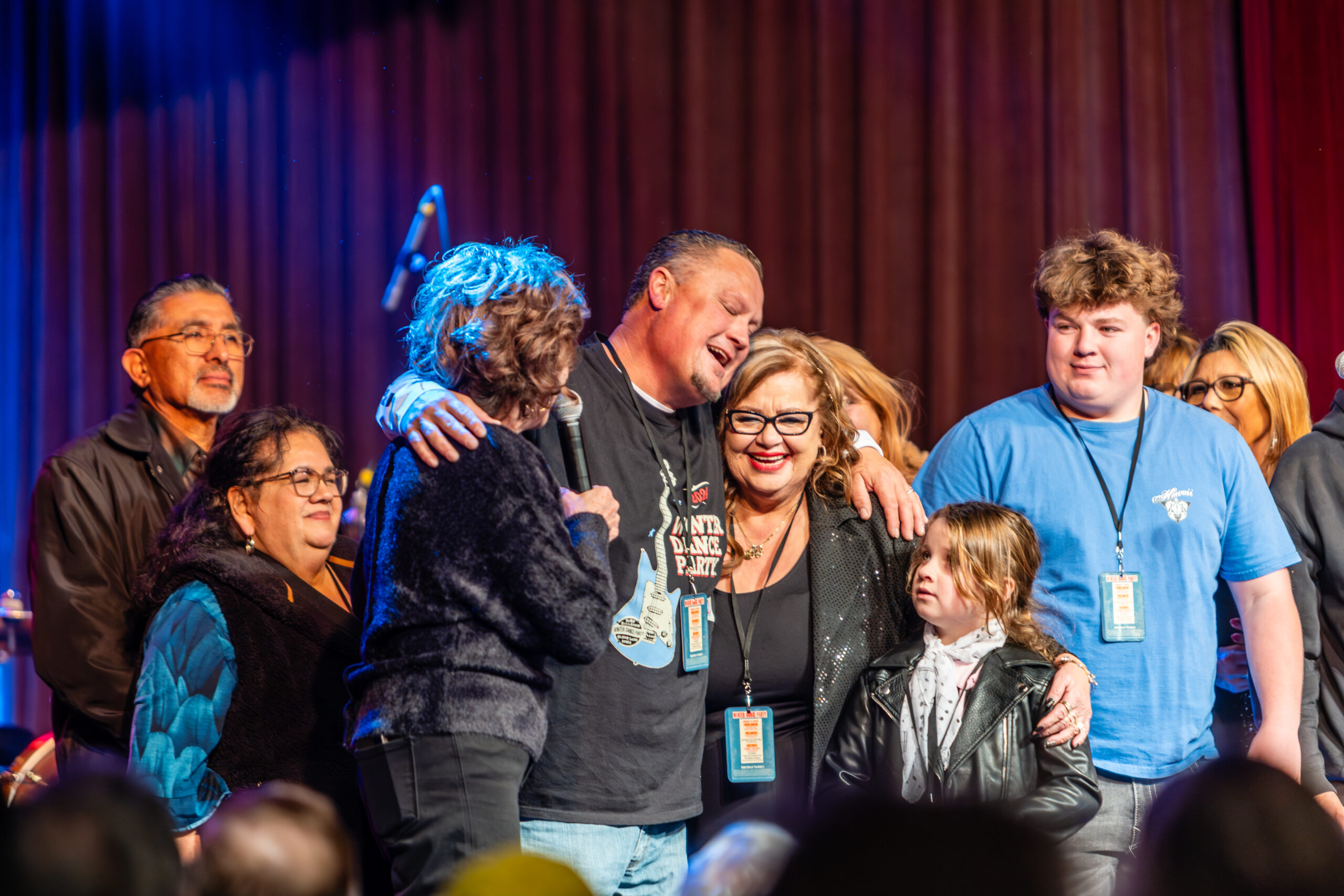
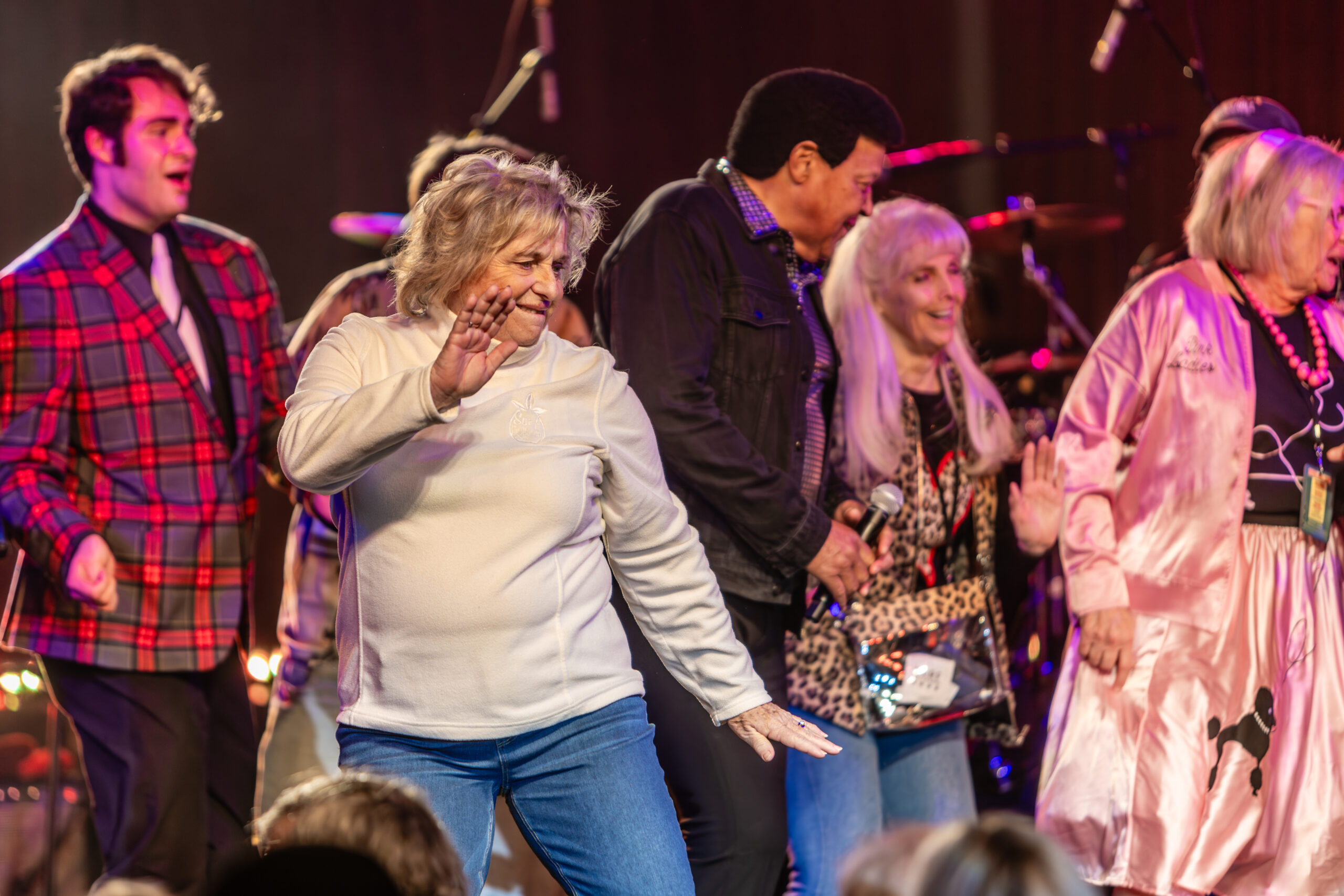
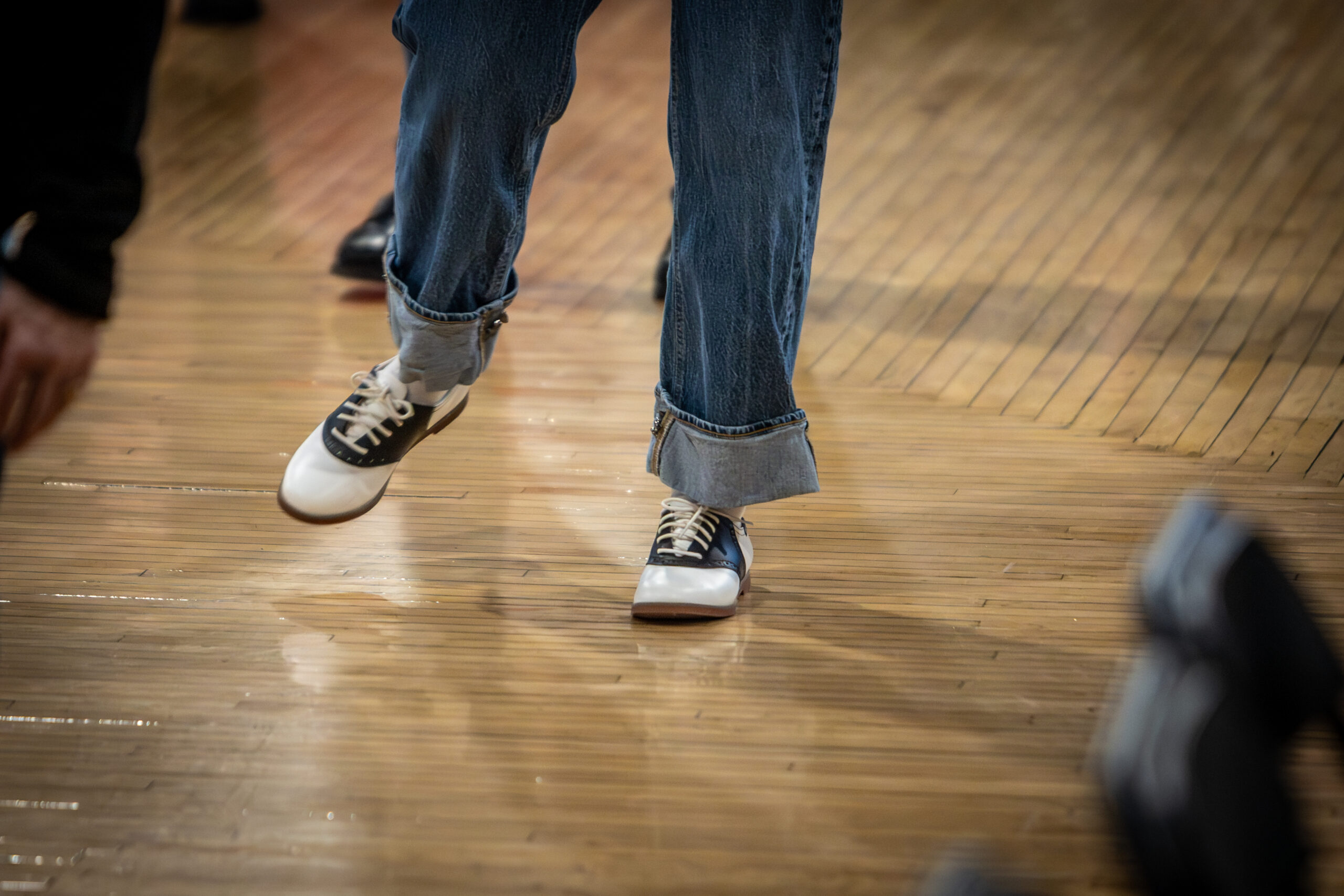
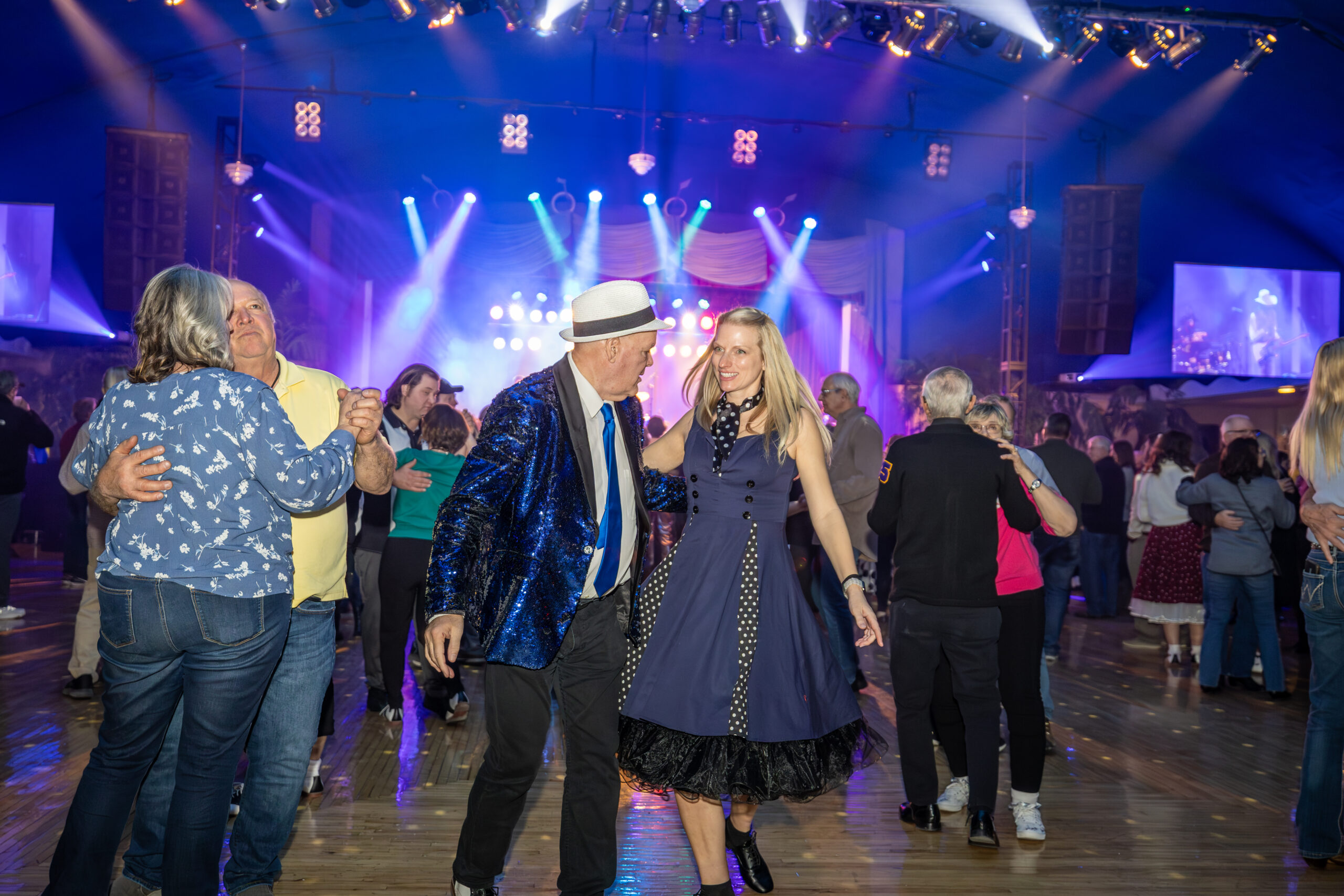
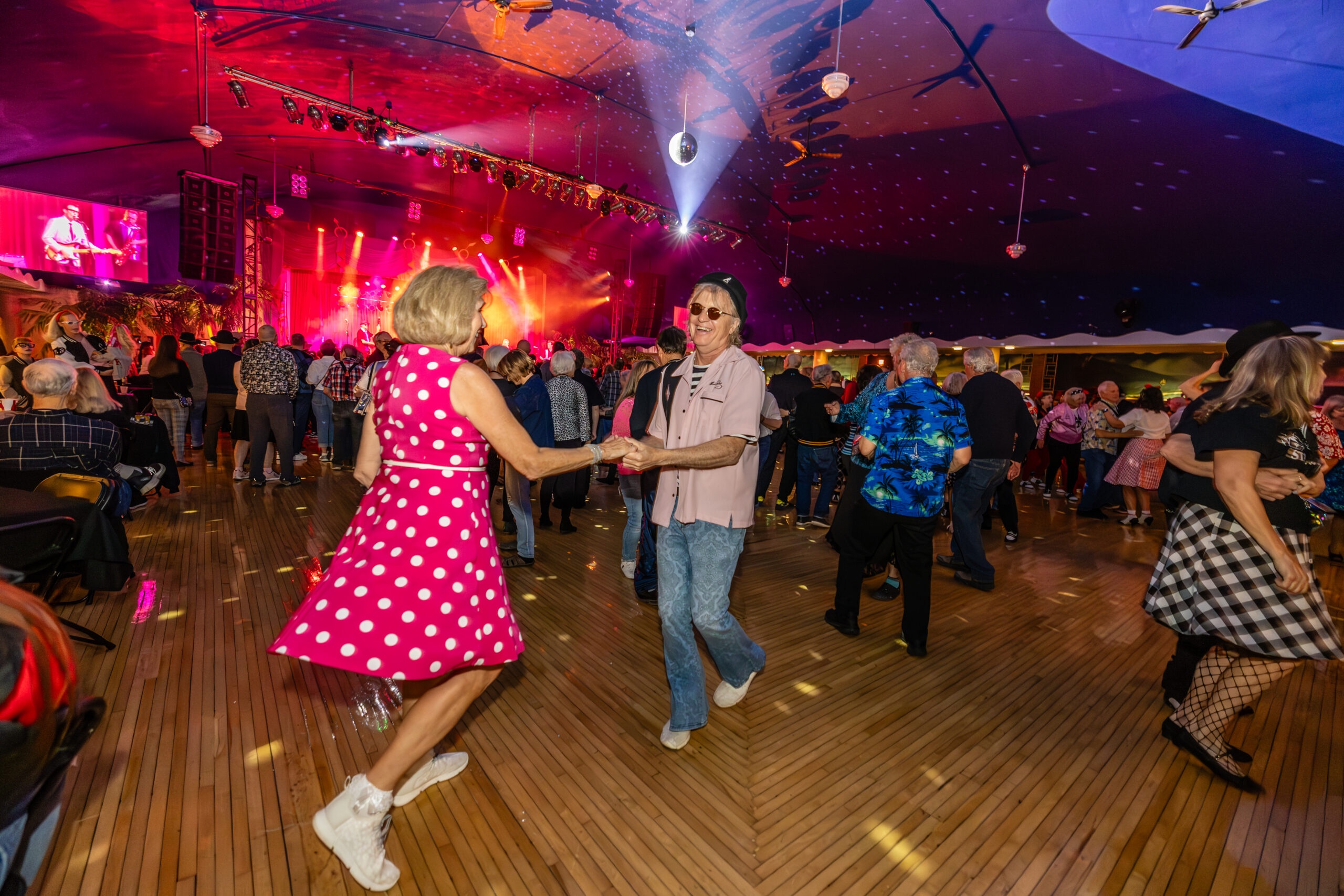
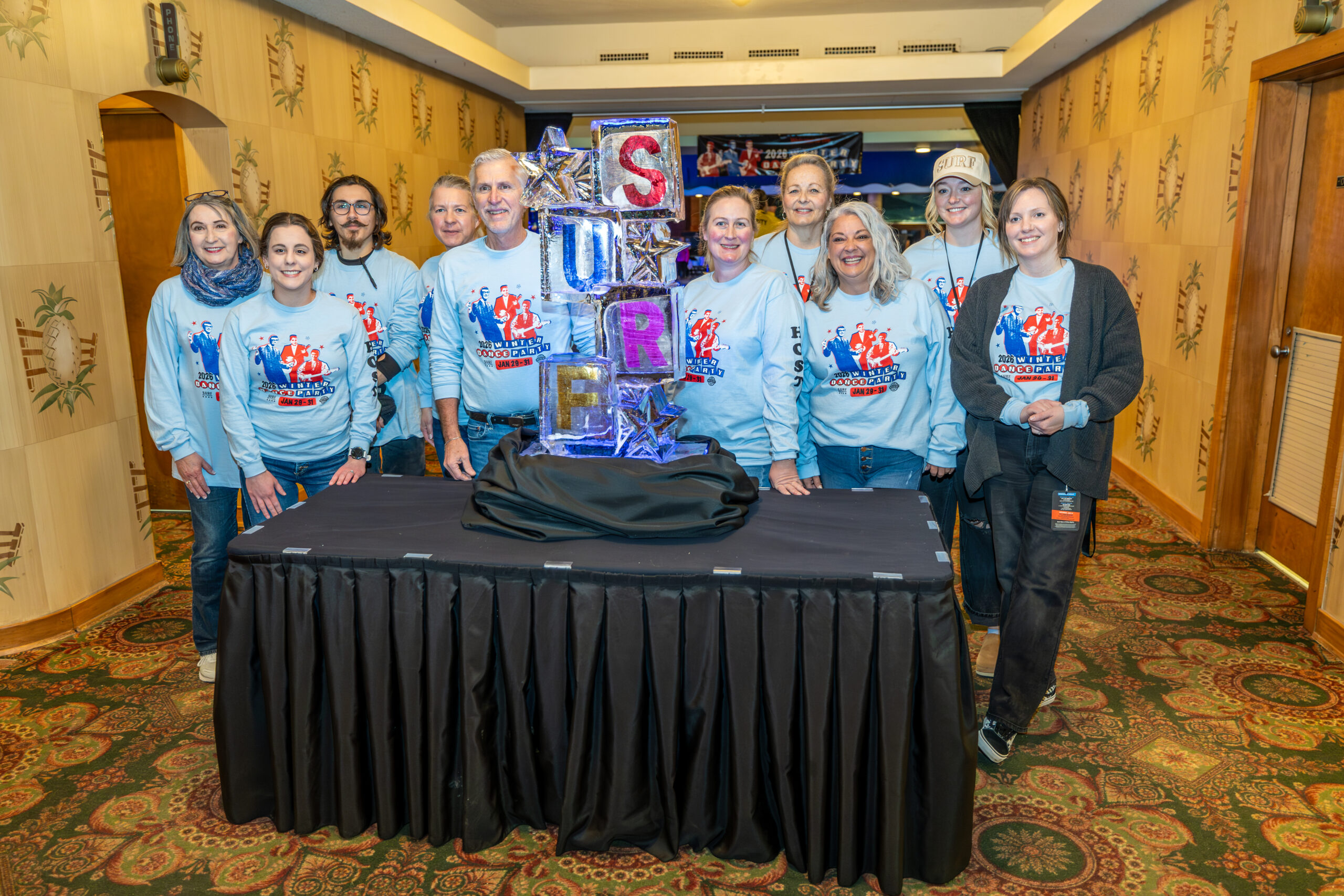
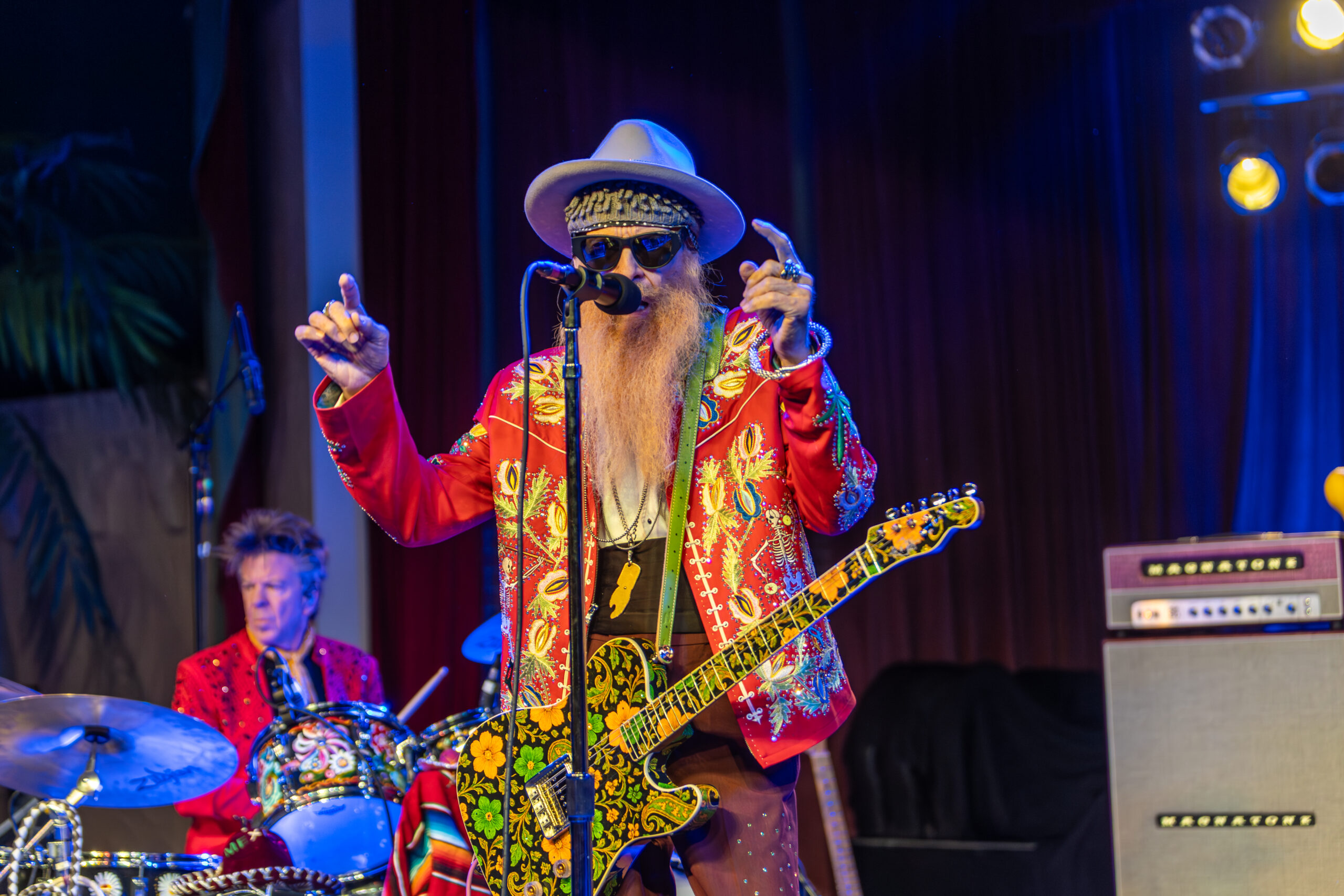
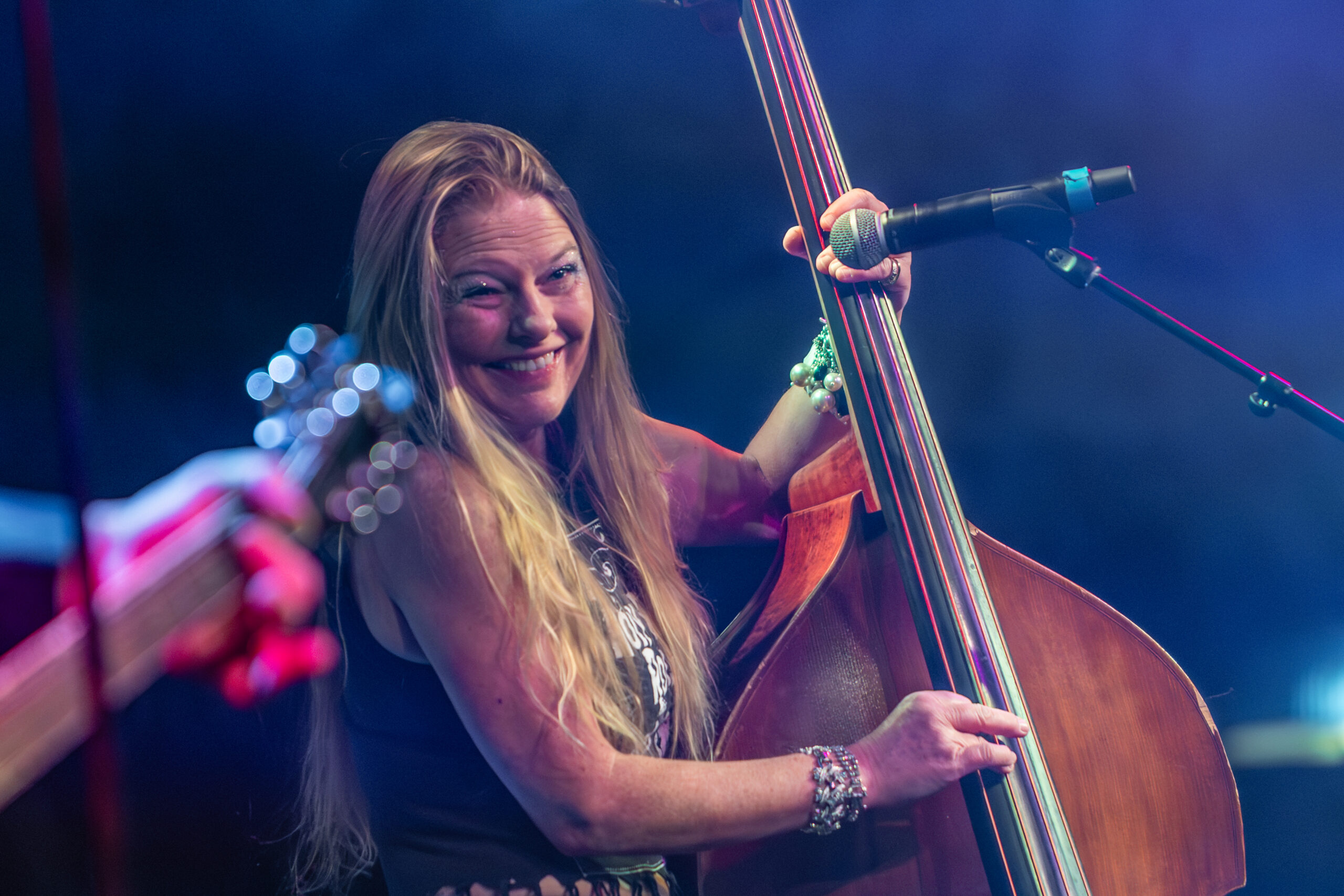
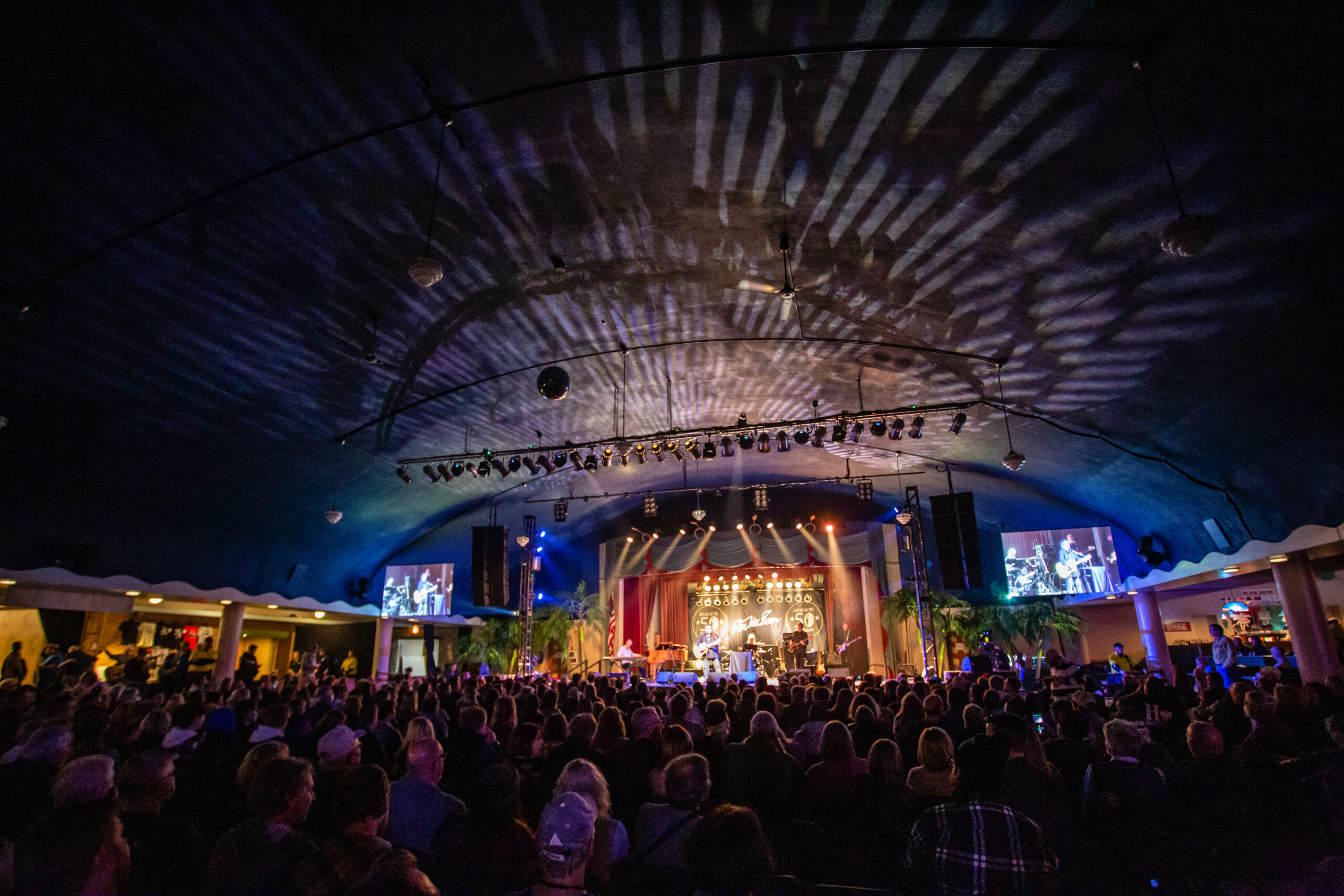
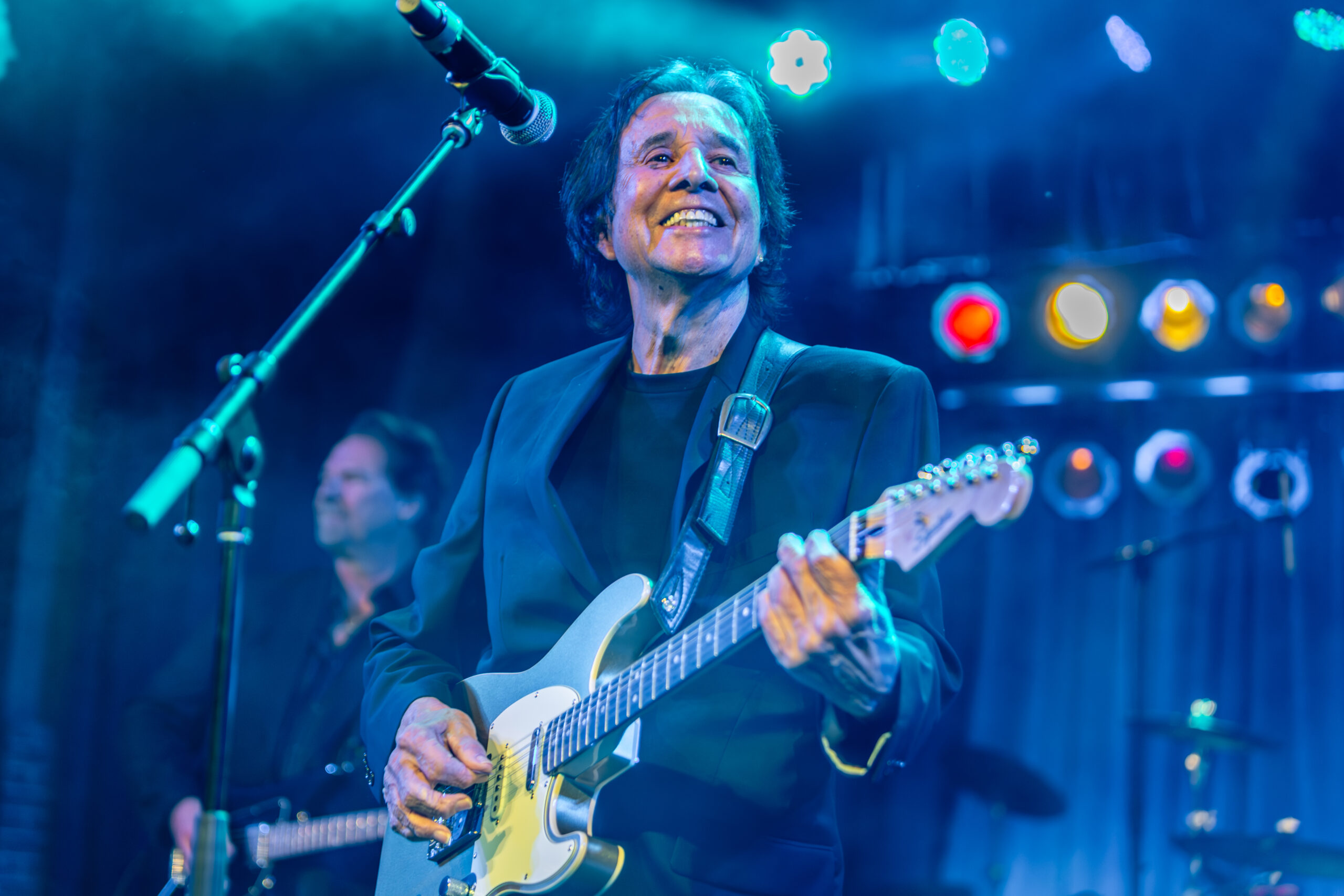
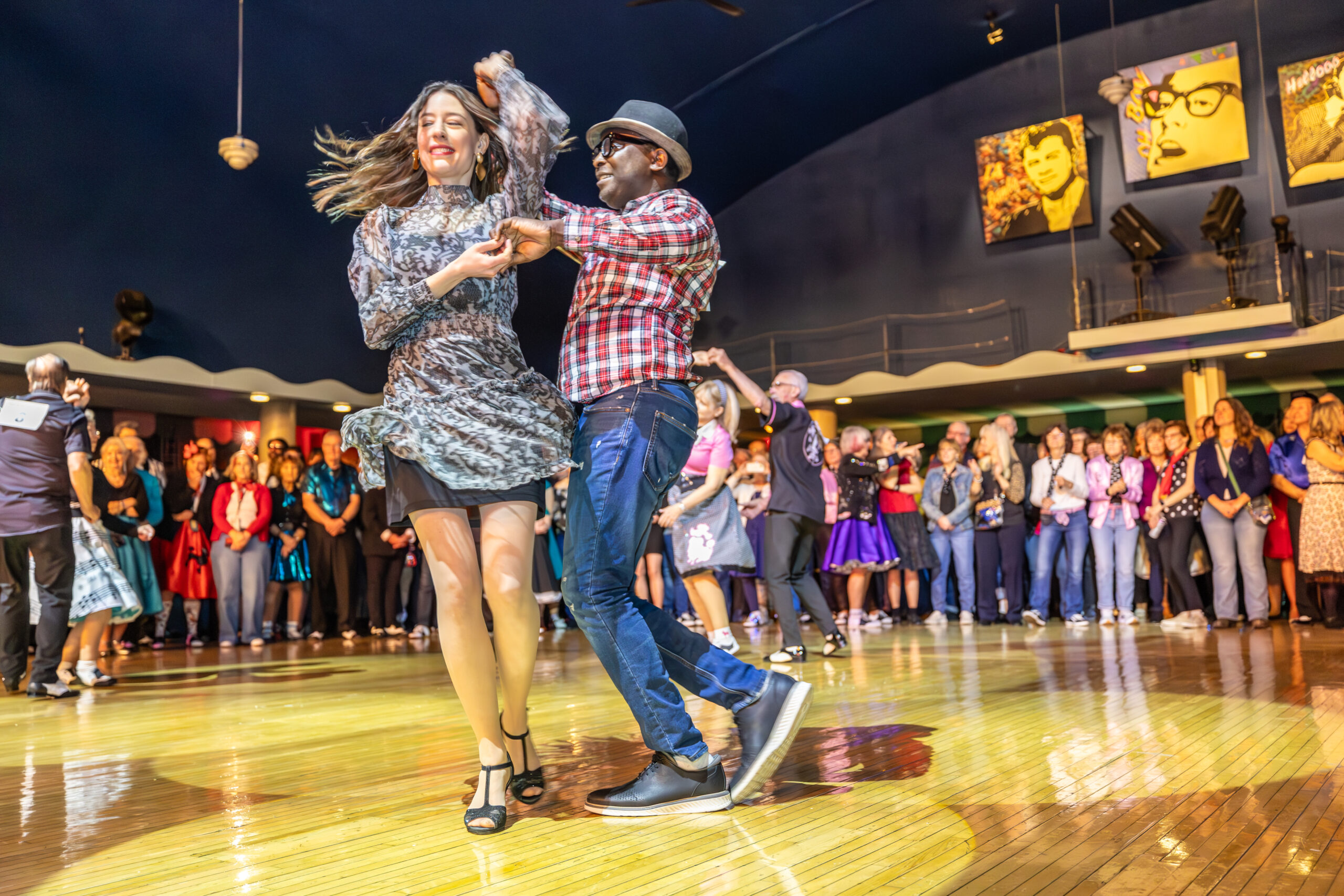
Each year, the Surf Ballroom hosts the Winter Dance Party — a three-day live music event with bands and music from the 50s. It’s an experience that’ll keep you coming back year after year!
Surf Ballroom »
See you next year!
Wednesday, February 3, 2027
Thursday, february 4, 2027
Friday, february 5, 2027
Saturday, february 6, 2027
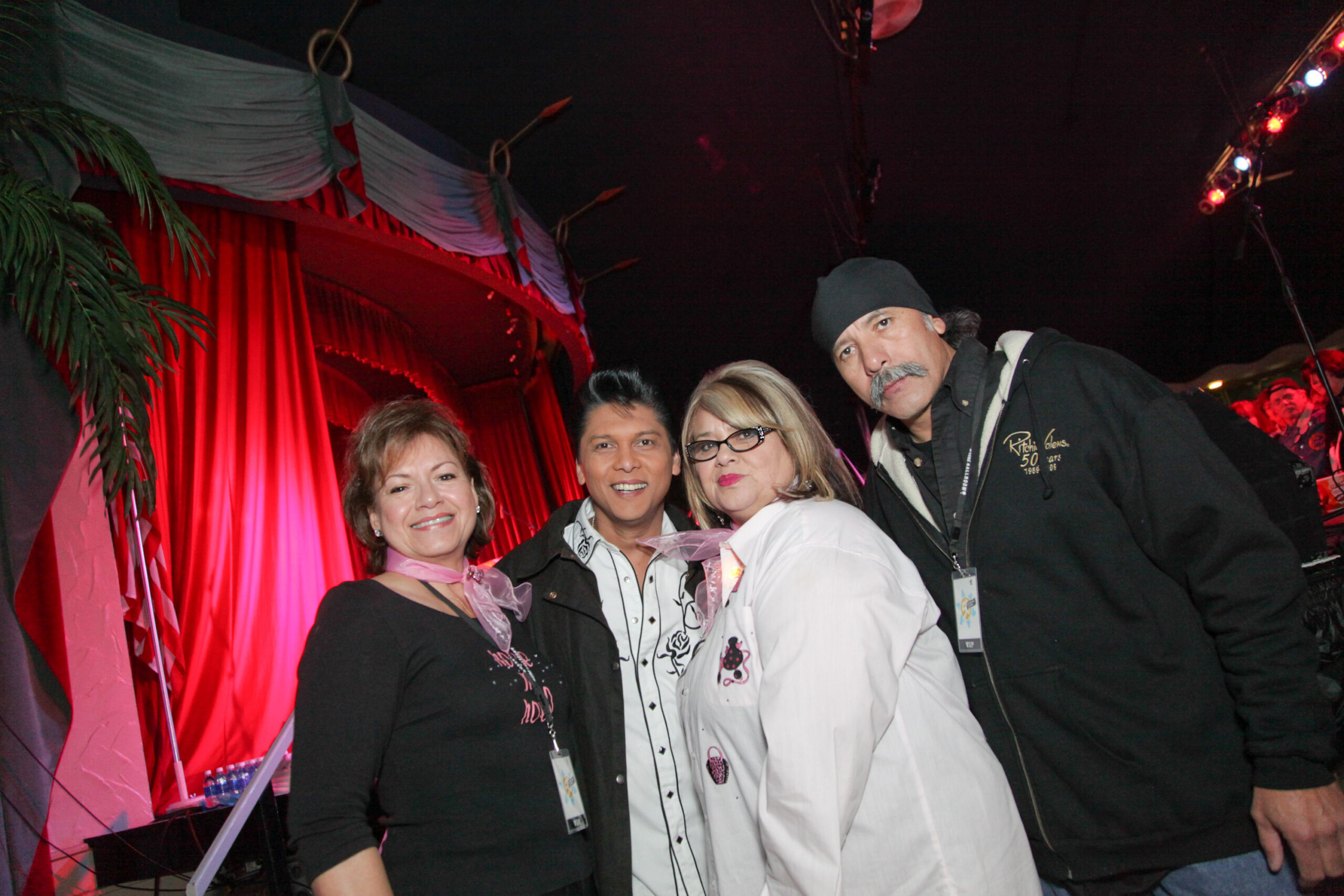
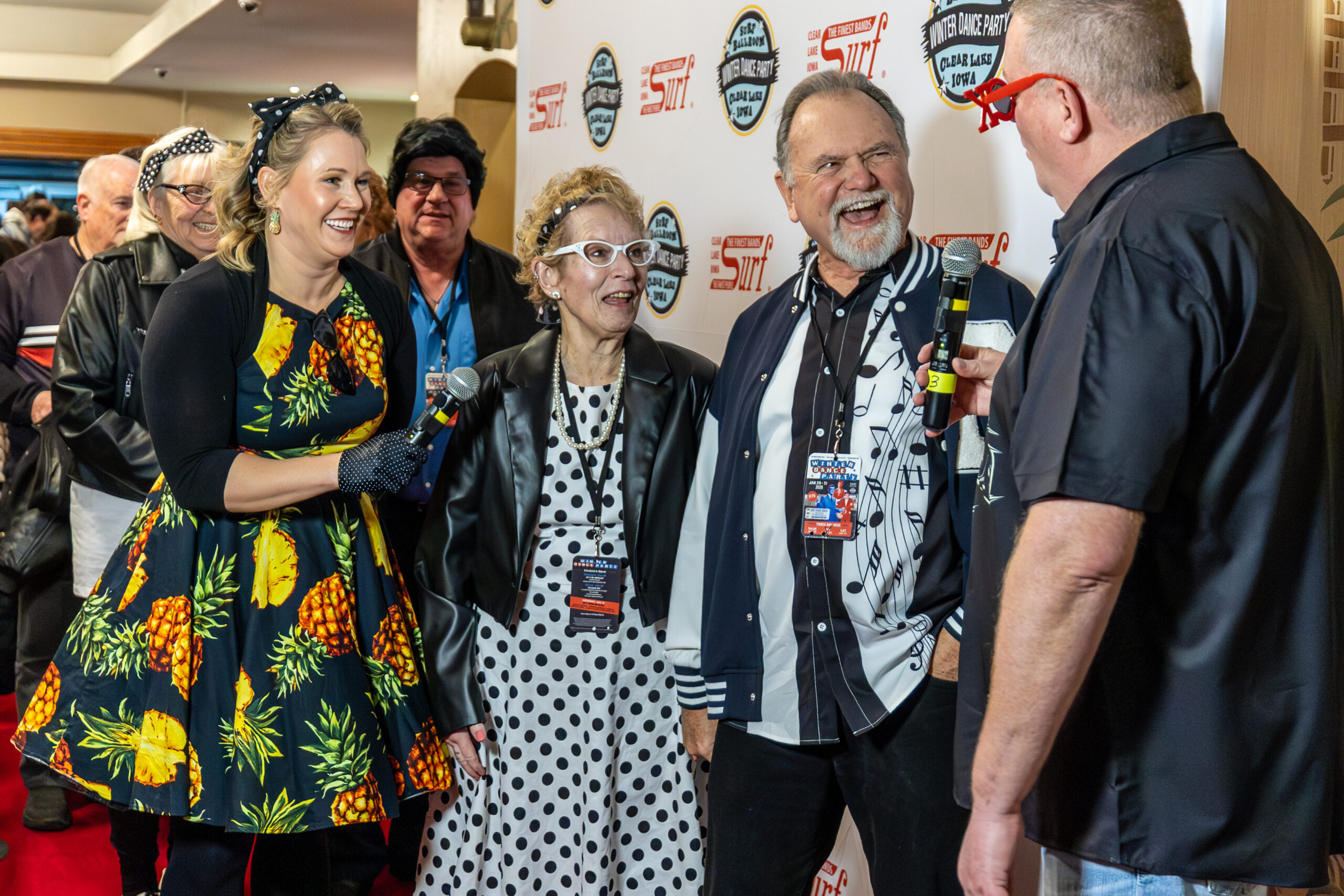
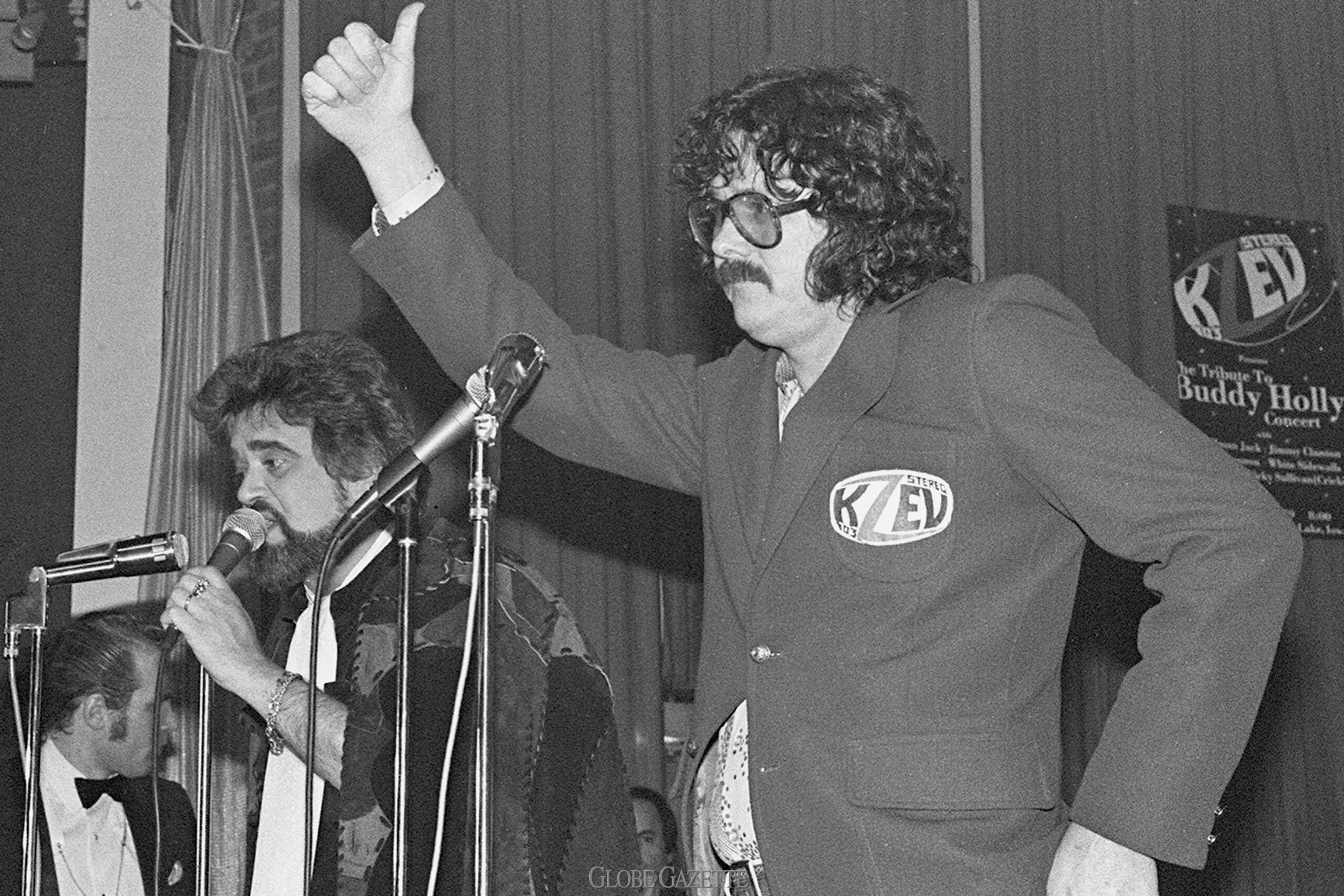
The Night the Music Lived On
In the early months of 1959, rock ‘n’ roll was still a revolution in motion. The sound was young, wild, and full of promise — a blend of rhythm and blues, country, and teenage spirit that was sweeping across America. To keep the momentum going, Buddy Holly’s management organized the Winter Dance Party, a 24-day tour meant to bring live rock ‘n’ roll to small-town ballrooms and theaters throughout the Midwest.
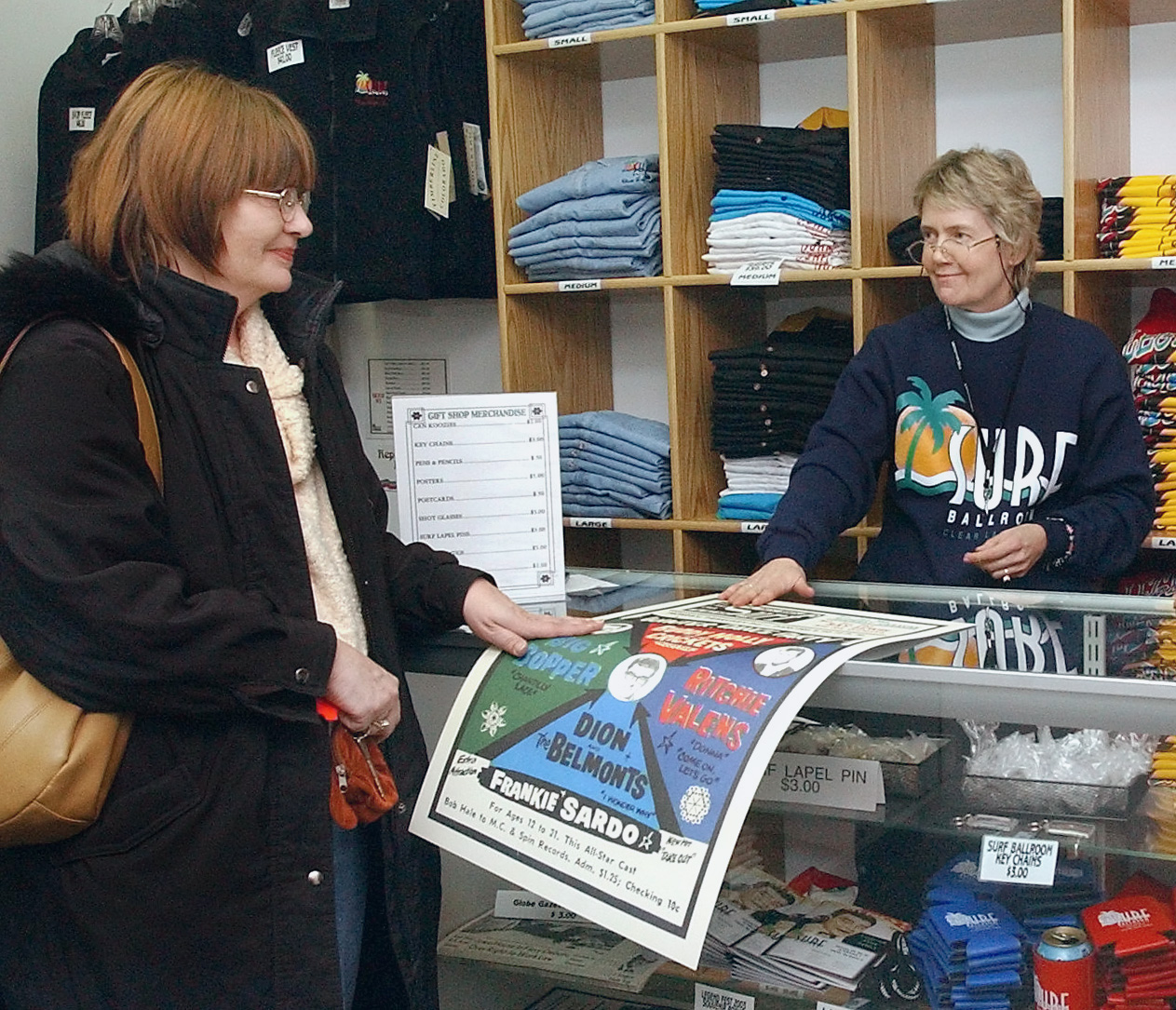
The lineup was extraordinary: Buddy Holly, fresh from hits like “That’ll Be the Day” and “Peggy Sue,” Ritchie Valens, whose “La Bamba” was climbing the charts, J.P. “The Big Bopper” Richardson, whose personality was as big as his hit “Chantilly Lace,” and Dion and the Belmonts, one of the most popular vocal groups of the era.
But the tour’s schedule was grueling — 24 shows in as many days, across miles of frozen Midwest highways. The musicians rode in old school buses that broke down repeatedly in subzero temperatures. The heating rarely worked, and at one point, drummer Carl Bunch was hospitalized for frostbite. Despite the hardships, the music never stopped. Each night, the performers lifted spirits, filling dance halls with laughter and movement even as winter howled outside.
February 2, 1959: A Night at the Surf
Clear Lake, Iowa, wasn’t originally part of the tour. But when a performance in nearby Wisconsin was canceled, the tour’s organizers reached out to Carroll Anderson, manager of the Surf Ballroom, to fill the open date. Anderson said yes, and the concert was booked for Monday, February 2, 1959.
That evening, as snowflakes fell outside, cars filled the lot along North Shore Drive and fans streamed into the Surf Ballroom. Over a thousand people packed inside — teenagers in their Sunday best, couples holding hands, and local families eager to see the rising stars of the new musical era. The air was electric, the wooden dance floor polished and ready, the neon palm trees glowing along the walls.
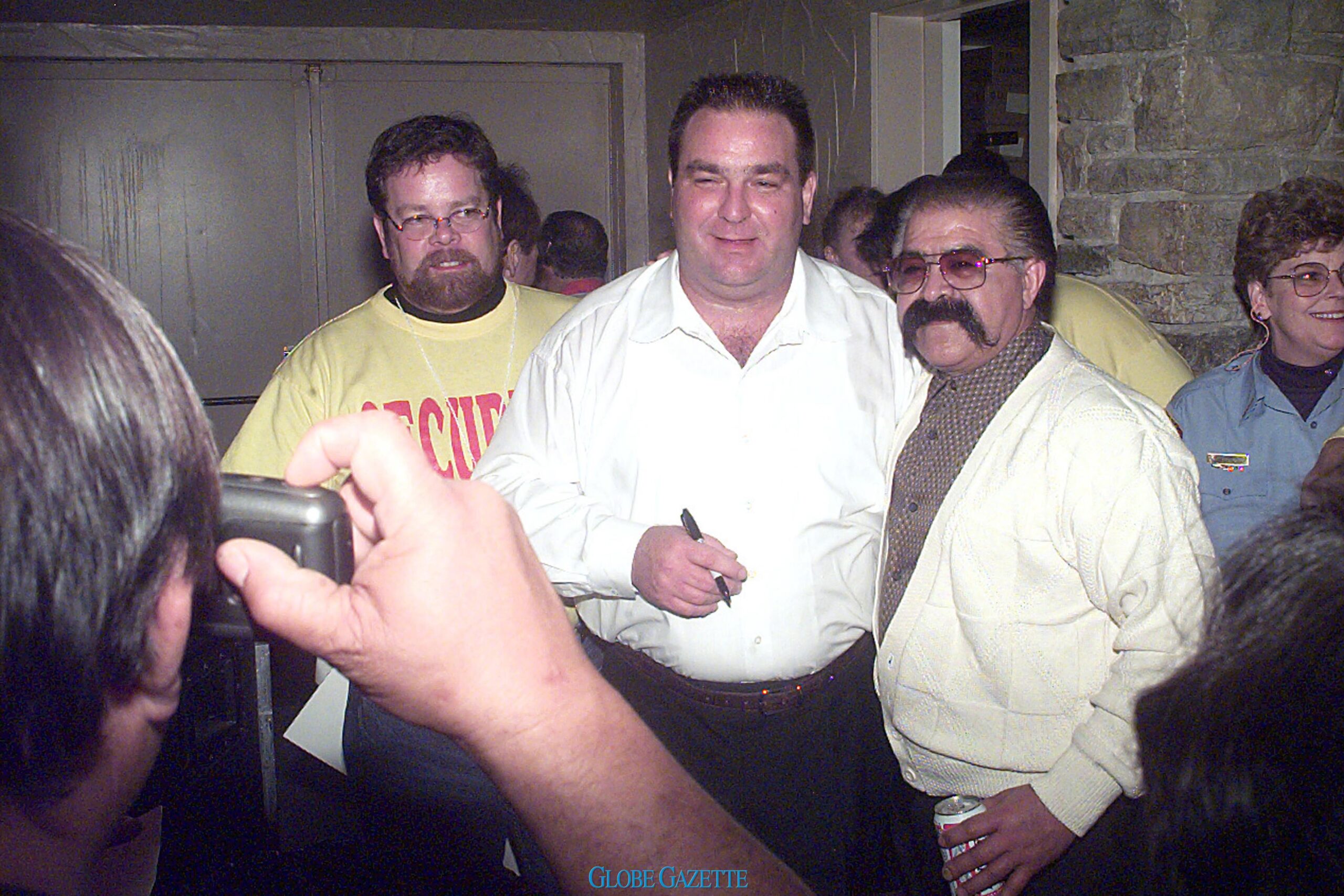
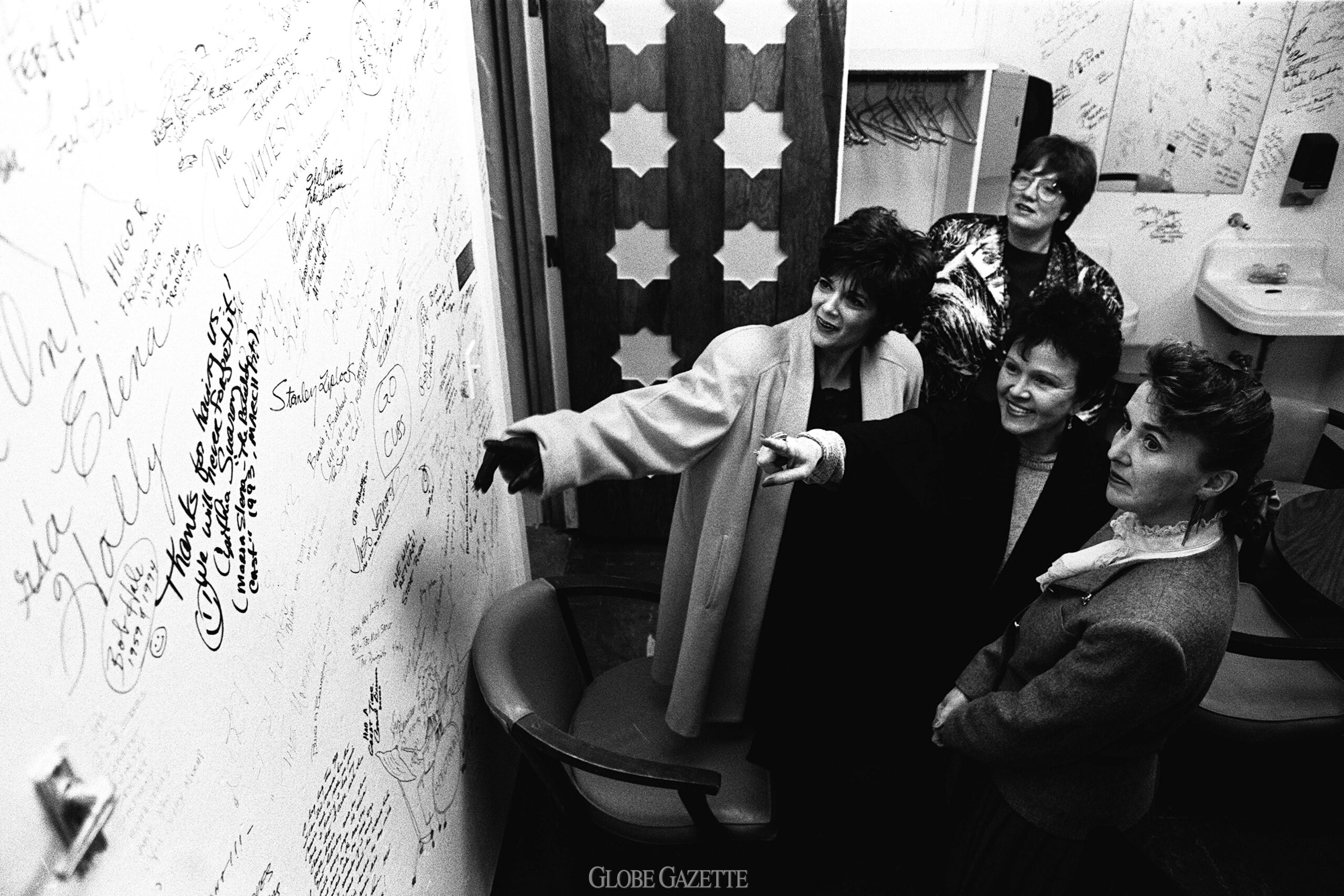
Backstage, the atmosphere was lively. Radio DJ Bob Hale of KRIB was emceeing, and Buddy Holly joked with his bandmates — Waylon Jennings on bass and Tommy Allsup on guitar. Ritchie Valens, only 17, was nervous but thrilled, practicing his moves and chatting with fans who had gathered near the dressing rooms for autographs. The Big Bopper, recovering from the flu, was in good spirits, chatting and laughing with everyone he met.
As the lights dimmed, the show began. Local band The Shadows opened the night before Dion and the Belmonts took the stage with tight harmonies and crowd favorites like “I Wonder Why.” Ritchie Valens followed with an energetic set — the crowd erupted when he played “La Bamba” and “Donna.” The Big Bopper’s booming personality filled the room as he sang “Chantilly Lace,” delighting the audience with his deep laugh and playful banter.
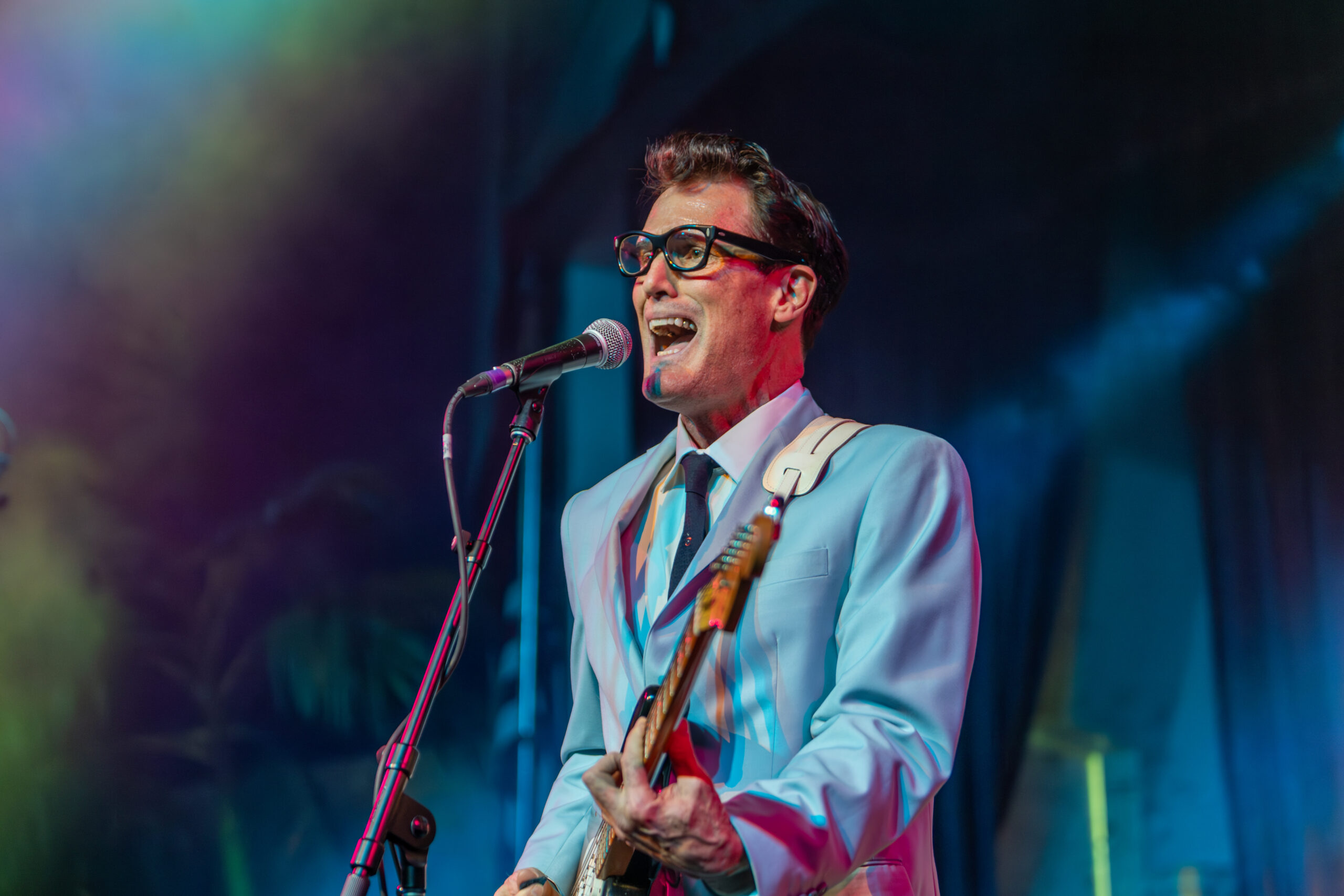
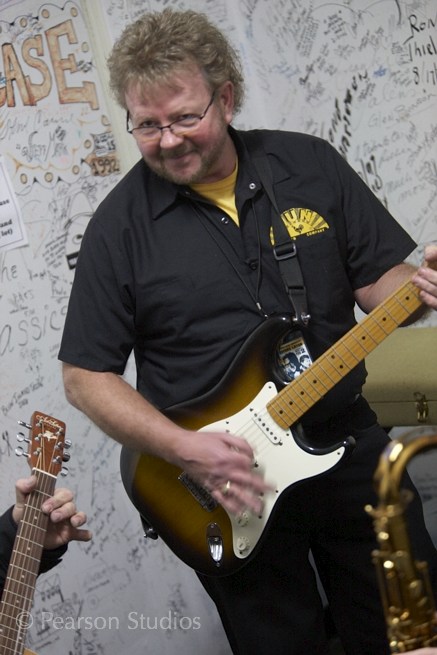
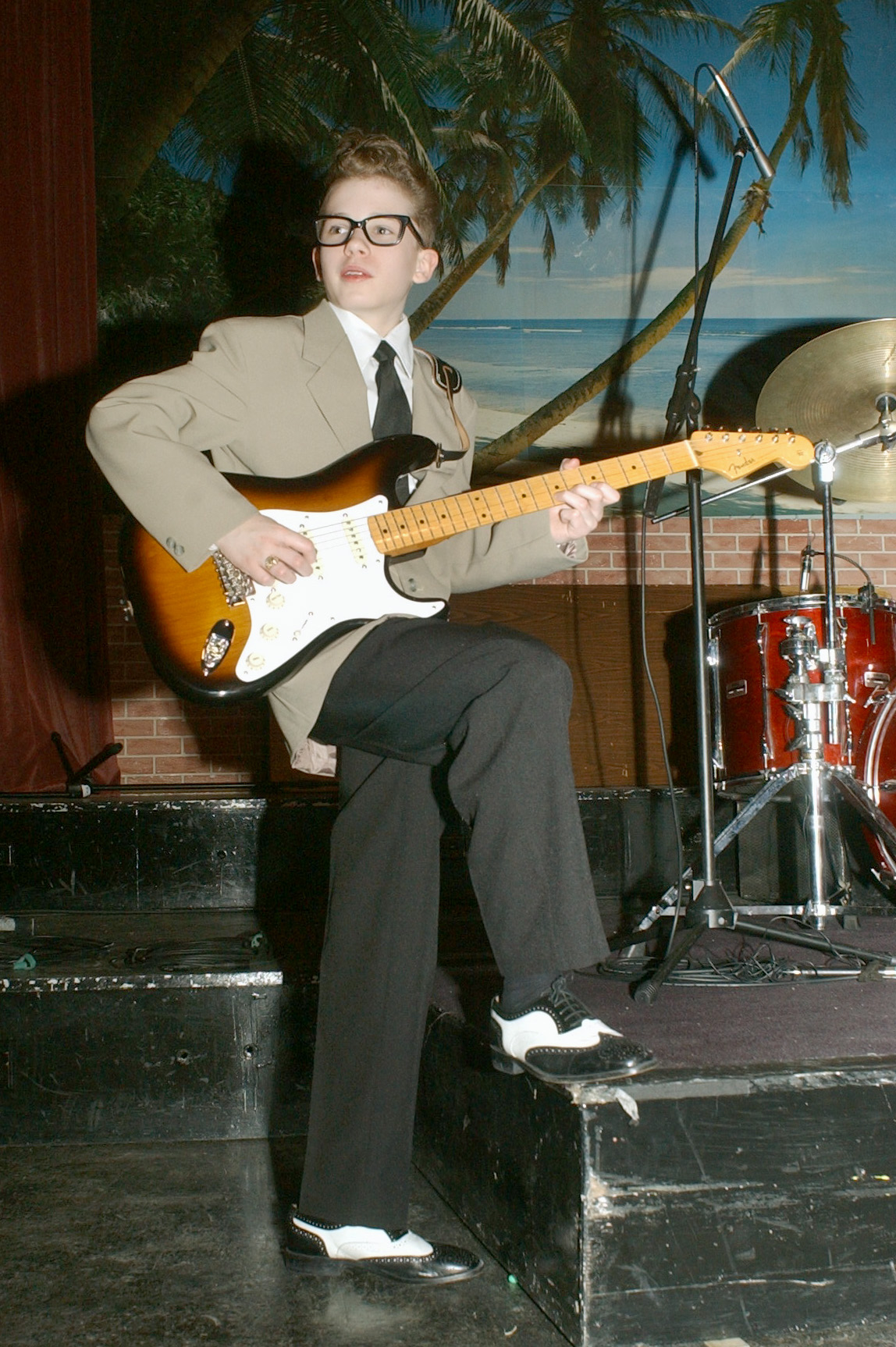
Then came Buddy Holly, the headliner, his Fender Stratocaster gleaming under the stage lights. With his trademark glasses and smooth voice, he tore through hits like “Peggy Sue,” “Heartbeat,” and “Oh, Boy!” The crowd danced, clapped, and sang along. For a few shining hours, the Surf Ballroom was the center of the rock ‘n’ roll universe.
Few in attendance could have imagined that this joyous performance would be their last.
The Decision to Fly
After the show ended, around midnight, the musicians loaded their equipment onto the tour bus for the next stop in Moorhead, Minnesota — nearly 400 miles away. The bus’s heater had failed again, and the cold was bitter. Buddy Holly, frustrated with the travel conditions, decided to charter a small plane to get to the next city early, rest, and do laundry before the next show.
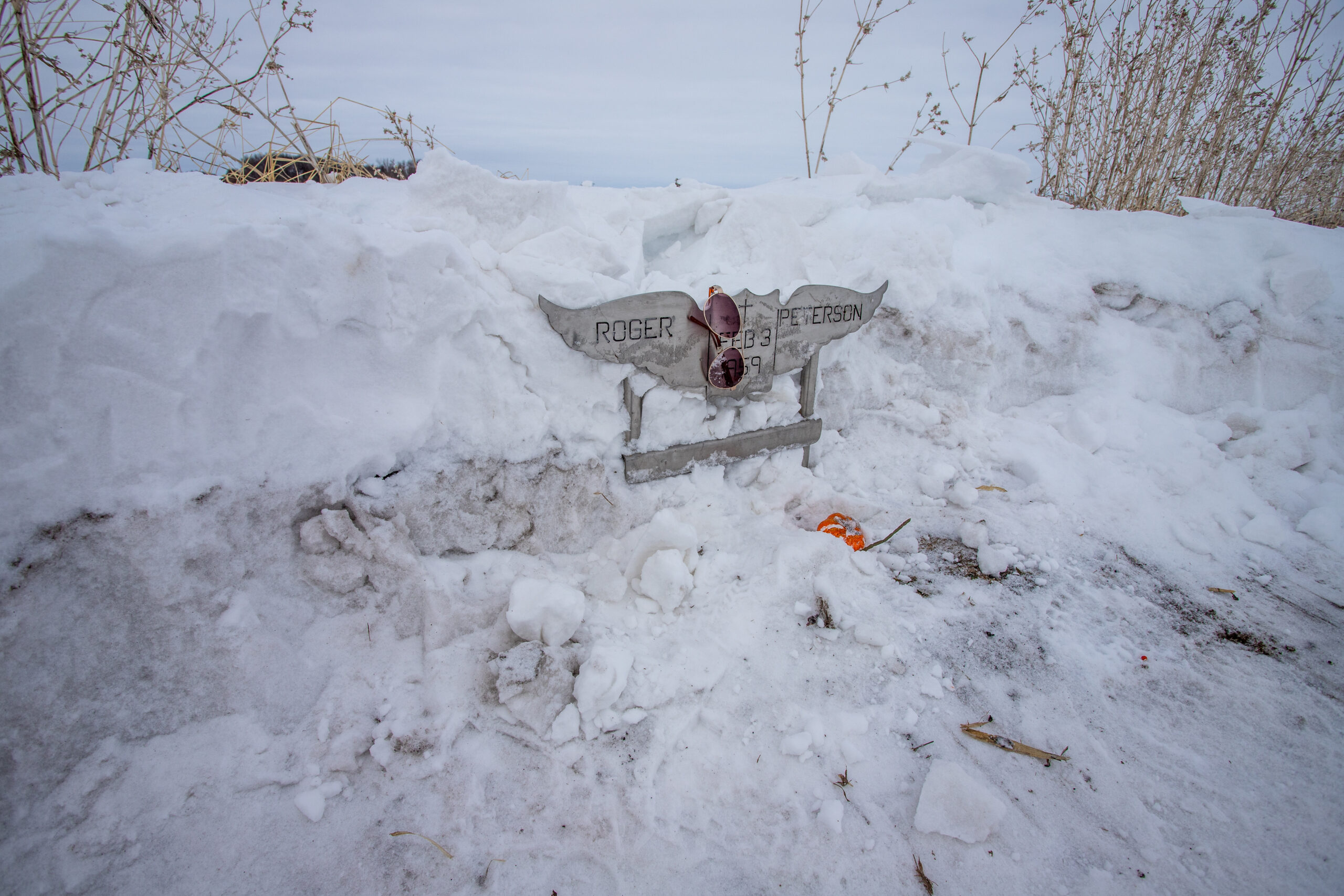
He arranged for a Beechcraft Bonanza out of the Mason City Municipal Airport, piloted by Roger Peterson, a 21-year-old local pilot who was familiar with the area but inexperienced with the night’s deteriorating weather conditions. The plane had three passenger seats.
There are conflicting accounts of the night regarding who was supposed to be on the plane, but most agree on the following: Dion opted out after being told the flight would cost $36 each, leaving Holly’s current band mates Waylon Jennings and Tommy Allsup as the first people asked that agreed to share the flight.
Tommy Allsup had been more reluctant to give up his seat to a pleading Ritchie Valens, in part because he had a registered letter in Fargo to pick up.
A friendly coin toss determined who would go. Ritchie Valens won his seat over guitarist Tommy Allsup; The Big Bopper, sick with the flu, asked Waylon Jennings to give up his place. As they left the Surf Ballroom, Holly playfully teased Jennings, saying, “I hope your ol’ bus freezes up.” Jennings replied jokingly, “Well, I hope your ol’ plane crashes.” It was a lighthearted exchange that Jennings would later say haunted him for the rest of his life.
The Crash
The musicians were driven to the Mason City airport in Surf manager Carroll Anderson’s station wagon shortly after midnight, arriving around 12:30 a.m. on February 3, 1959. Snow was still falling lightly, and winds were picking up. After filing a flight plan for Fargo, North Dakota, pilot Roger Peterson received weather information but was not aware that conditions were worsening rapidly — visibility dropping and light snow becoming a full storm front.
At 12:55 a.m., the plane took off from runway 17. Observers saw its lights climb into the dark sky and then disappear. The flight was expected to take less than two hours. When radio contact was lost and the plane failed to arrive, concern grew.
Later that morning, around 9:35 a.m., Dwyer Flying Service owner Bob Dwyer flew out to search for the missing aircraft. Within minutes, he spotted the wreckage in a snow-covered cornfield about six miles northwest of the airport. It was later determined that shortly after takeoff, the plane took a precipitous downward turn, and one wing struck the ground as the plane plowed into a cornfield at 170 miles per hour. The plane cartwheeled, strewing wreckage over 300 yards of snow-covered field, finally coming to rest against a barbed wire fence.
All four occupants — Buddy Holly, Ritchie Valens, The Big Bopper, and Roger Peterson — had been killed instantly upon impact.
The news spread quickly across the country. Radio stations interrupted their broadcasts; fans and fellow musicians were stunned. The loss was devastating — three of the brightest young stars in American music, gone in an instant. Buddy Holly was 22, Ritchie Valens just 17, The Big Bopper 28.
A mystery still surrounds what went wrong that night. A Civil Aeronautics Board report stated that Peterson experienced dangerous complications during flight; spatial disorientation from the poor weather conditions, combined with misinterpretation of instrument readings aboard the Beechcraft Bonanza that differed from the more common instruments he had been trained on could have been at fault. The Board also concluded that Peterson had not been given accurate weather conditions, and the pilot likely would have postponed the flight with sufficient warning.
Upon hearing the news on TV, Buddy’s pregnant widow Maria Elena suffered sudden shock and psychological trauma so severe it caused a miscarriage of her early pregnancy. Because of this, authorities subsequently implemented a policy against announcing victims’ names until after families had first been notified.
The Legacy Lives On
In the days that followed, tributes poured in. The tragedy was later immortalized in Don McLean’s “American Pie” as “The Day the Music Died,” but here in Clear Lake, the music never truly died.
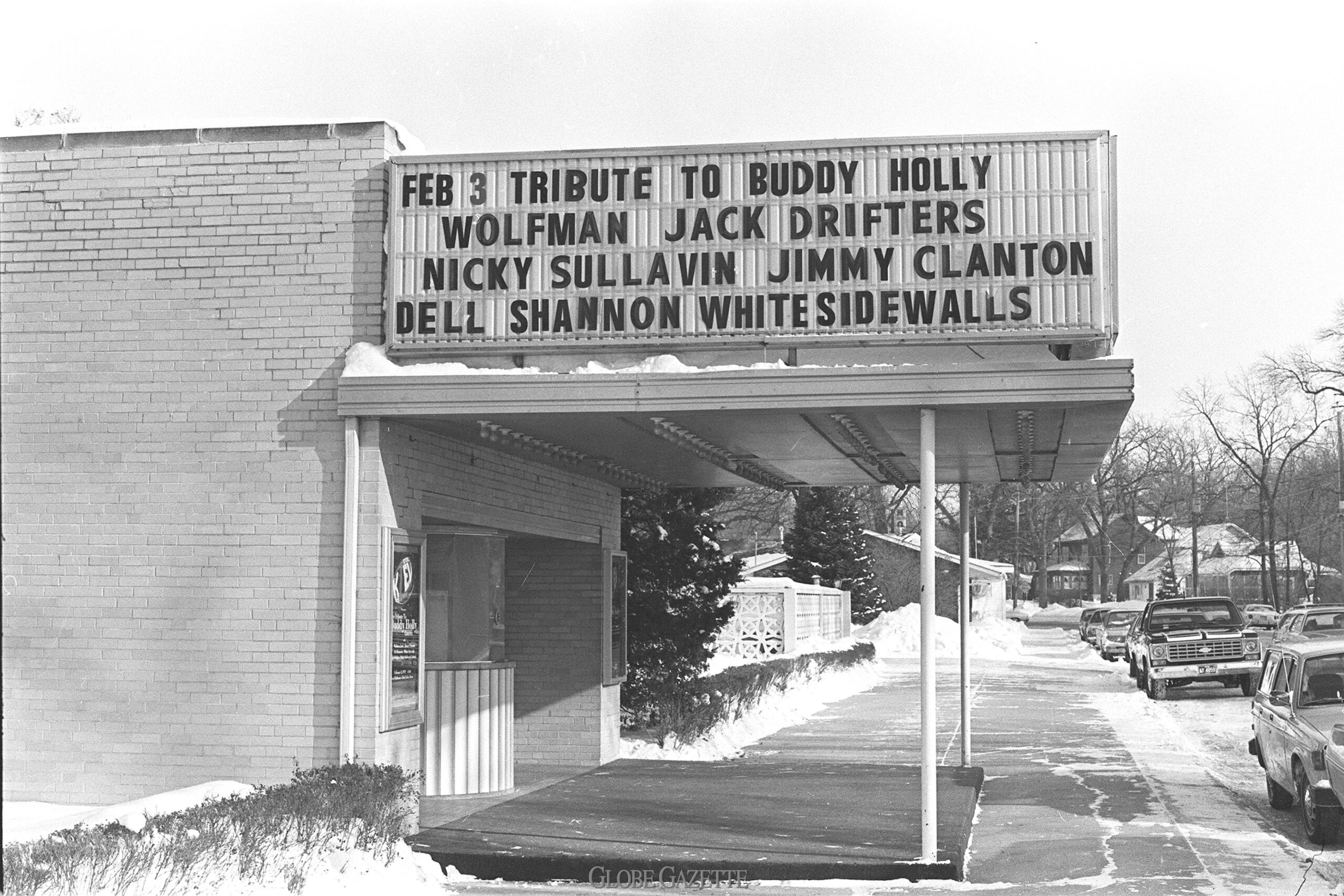
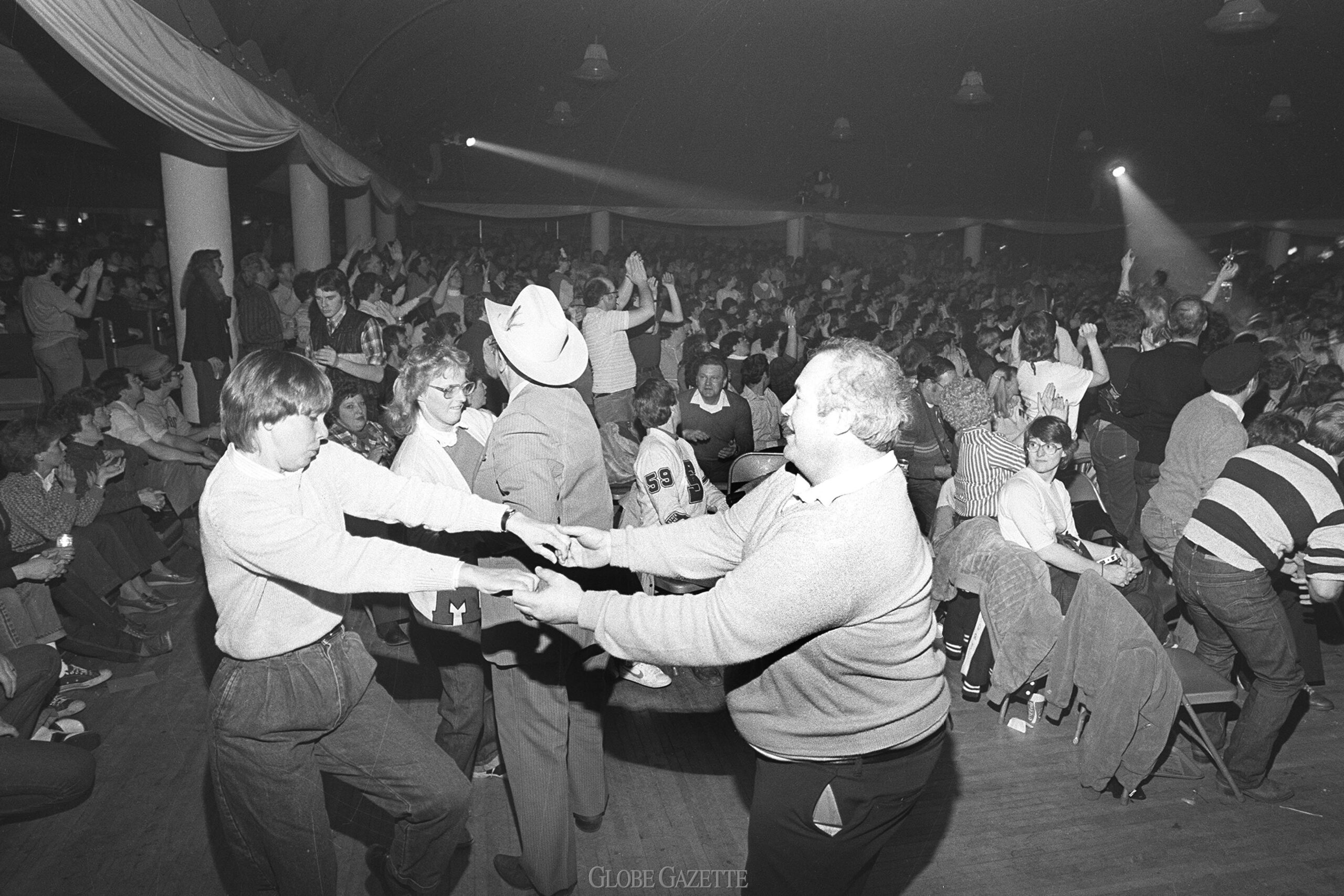
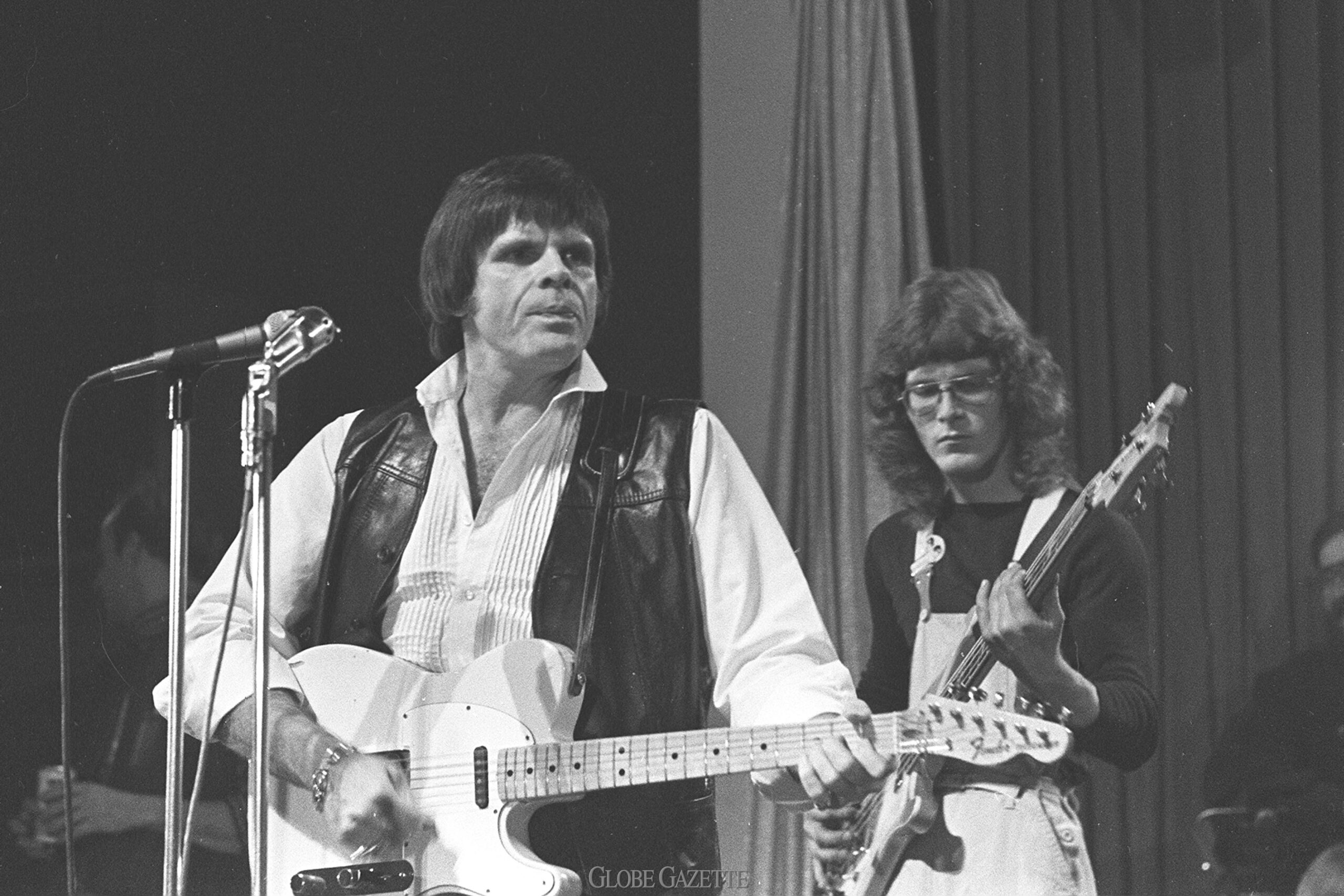
The Surf Ballroom became a place of remembrance, reflection, and renewal. In 1979, the first Winter Dance Party reunion was held, bringing fans and musicians back to honor the legacy of the lost stars. What began as a small local gathering has since grown into an international pilgrimage — a multi-day celebration of the music, spirit, and optimism that Buddy, Ritchie, and the Big Bopper represented.
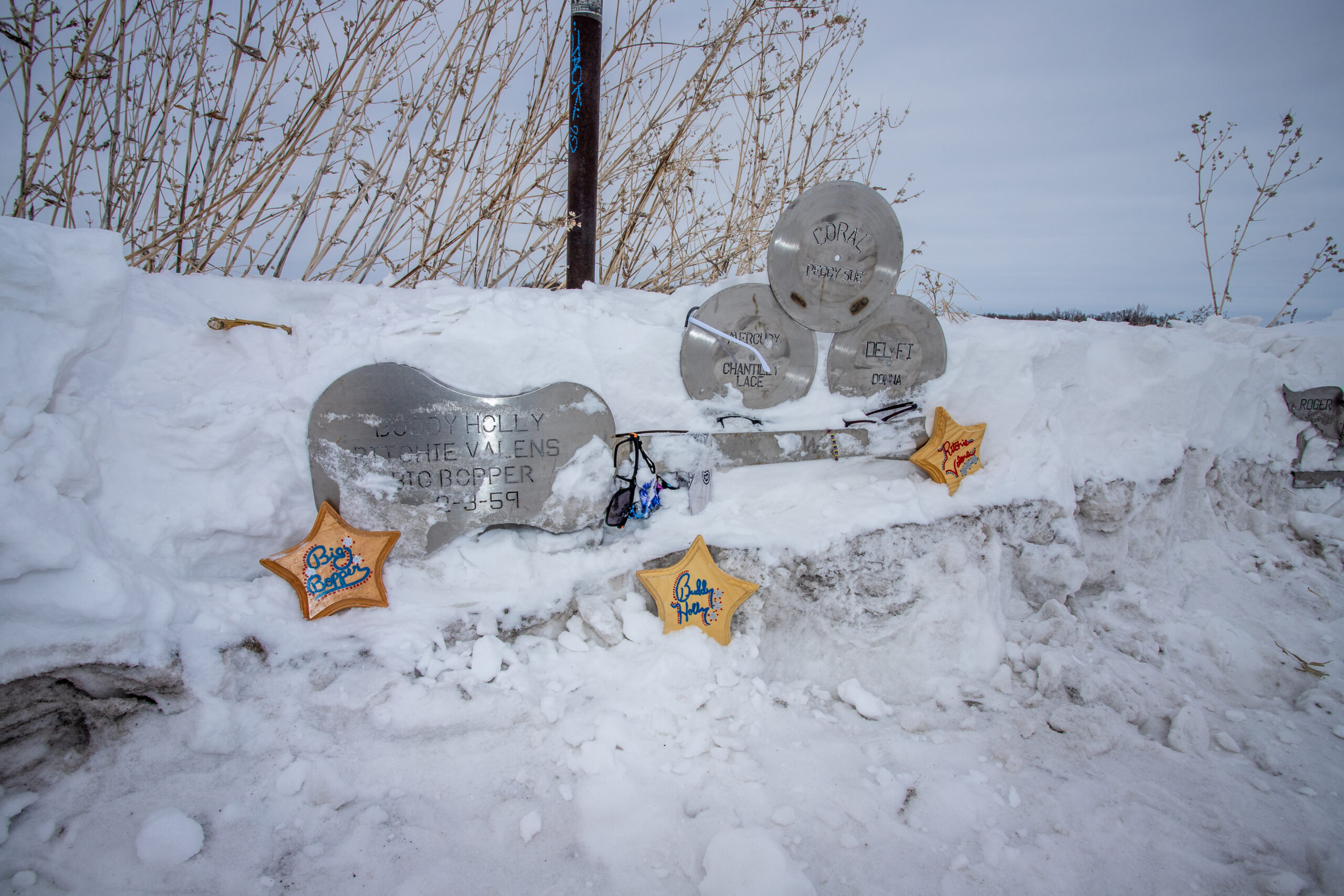
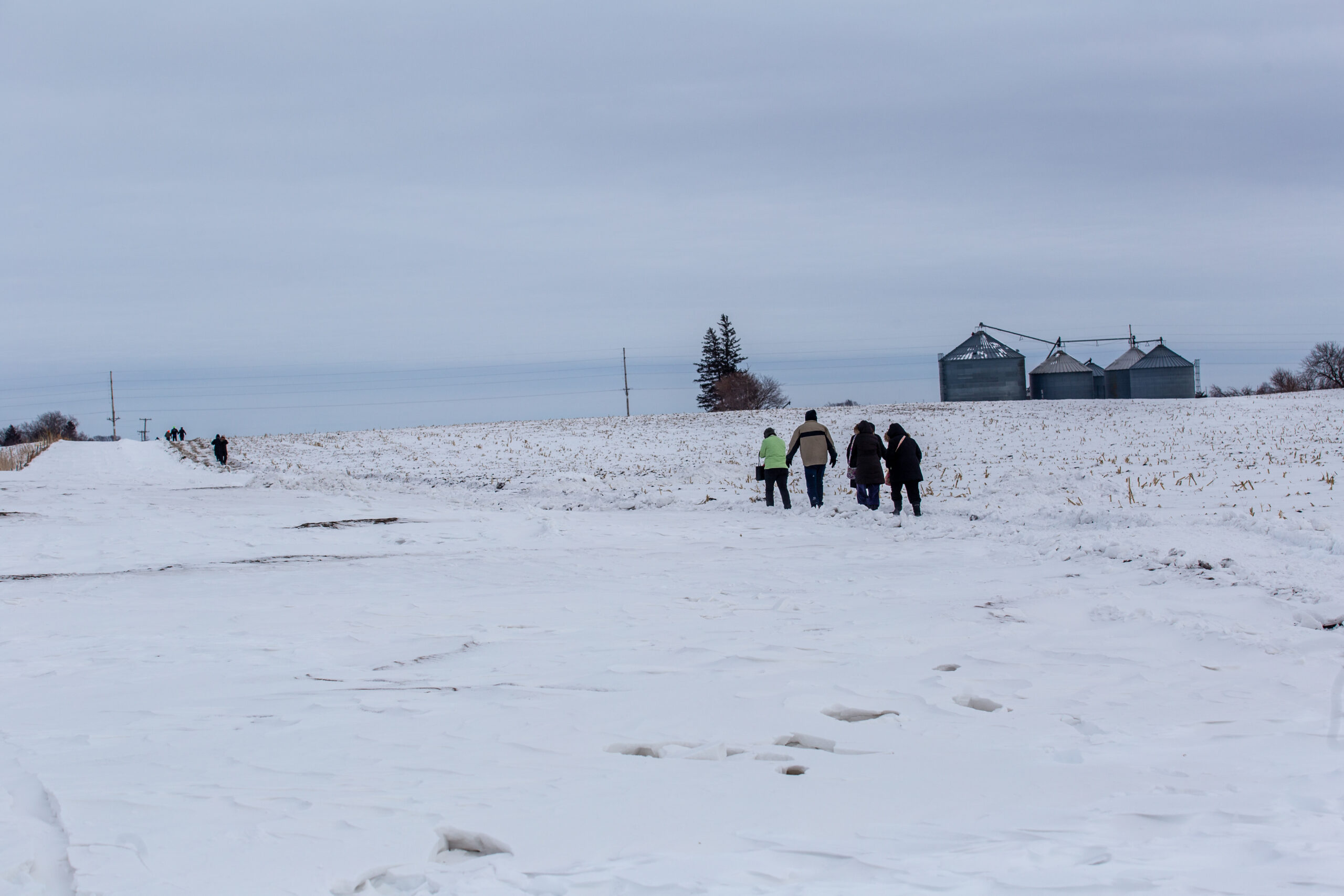
Today, visitors to Clear Lake can still stand inside the Surf Ballroom — the same stage, same floor, same walls that echoed with music that fateful night. Just a few miles north, a modest memorial marks the site of the crash, accessible only by footpath through the fields. Fans leave guitars, glasses, and handwritten notes in tribute — tokens of gratitude to the musicians who changed the world and left it too soon.
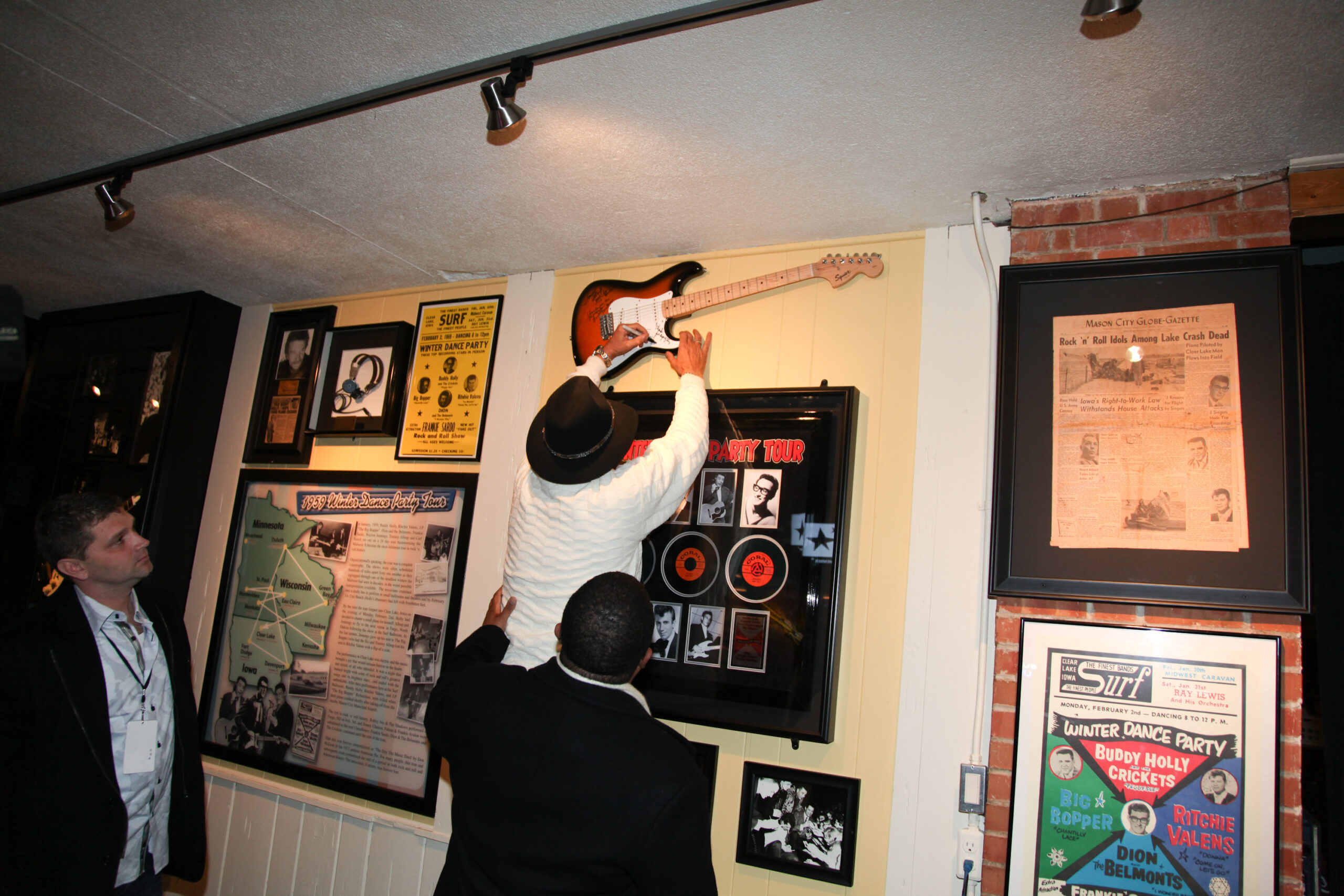
In 2021, the Surf Ballroom & Museum was designated a National Historic Landmark, ensuring that its story — and the story of that February night — will be preserved for generations to come. The Surf remains both a live music venue and a museum, keeping the legacy of rock ‘n’ roll alive while inspiring new artists to follow in those same footsteps.